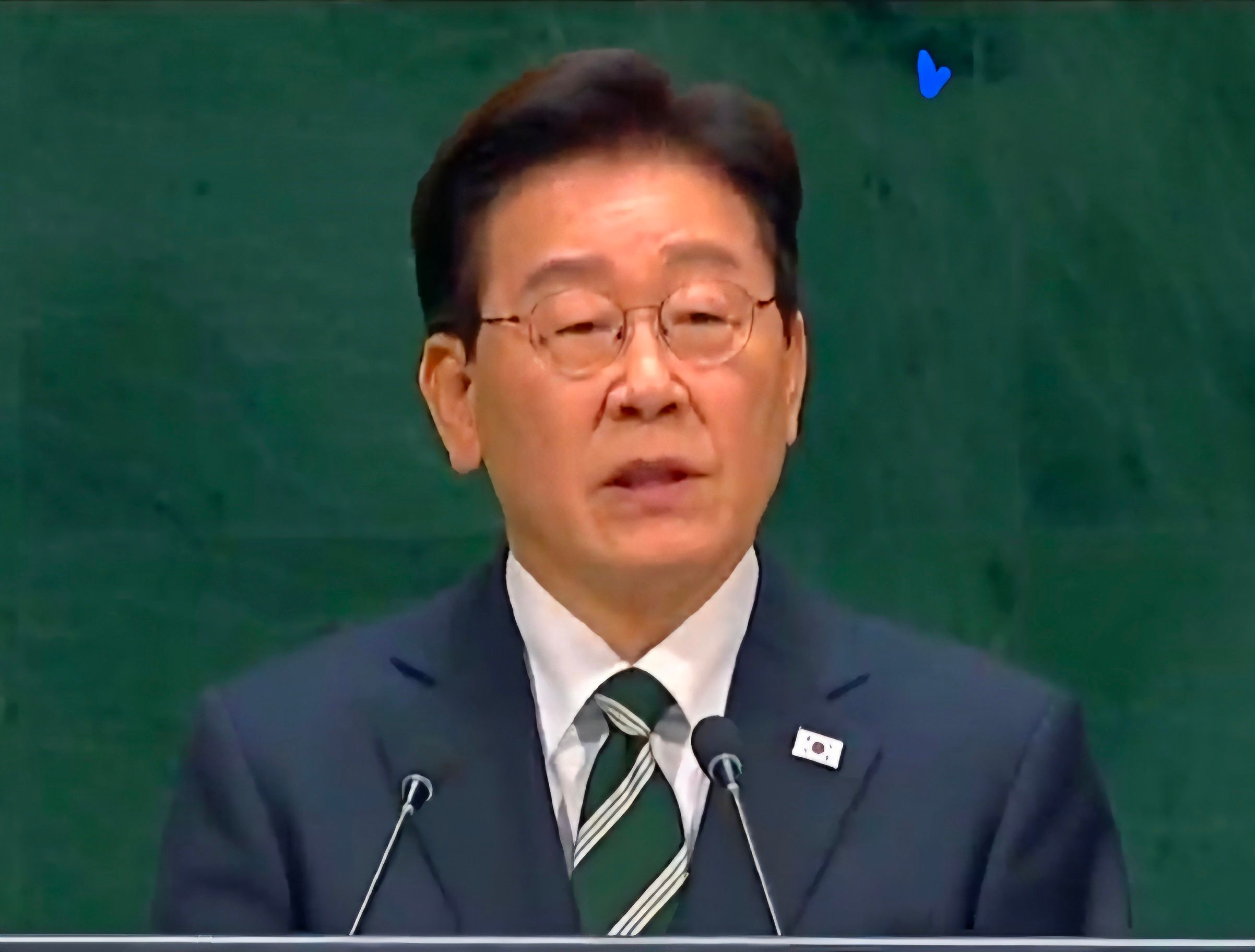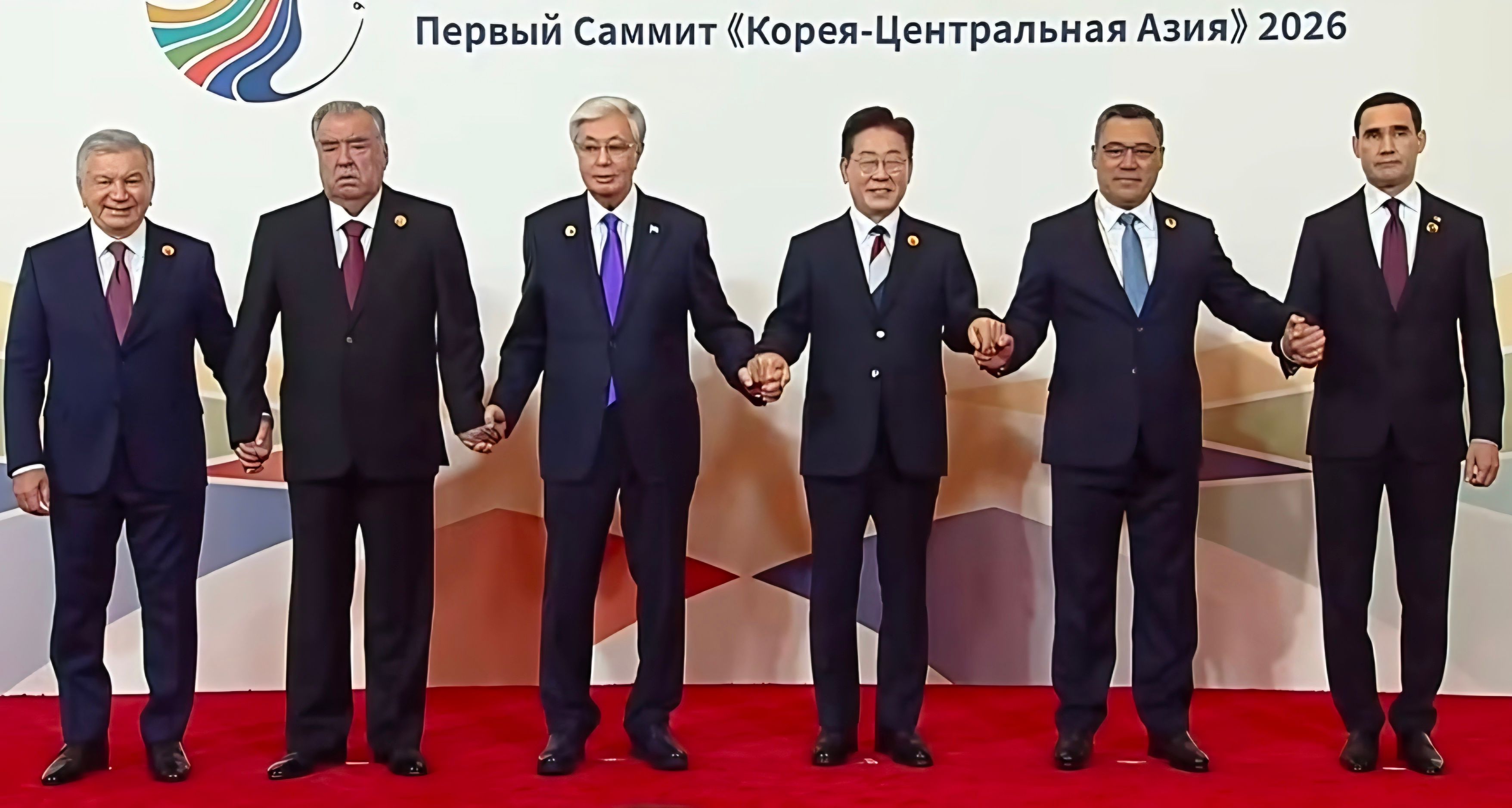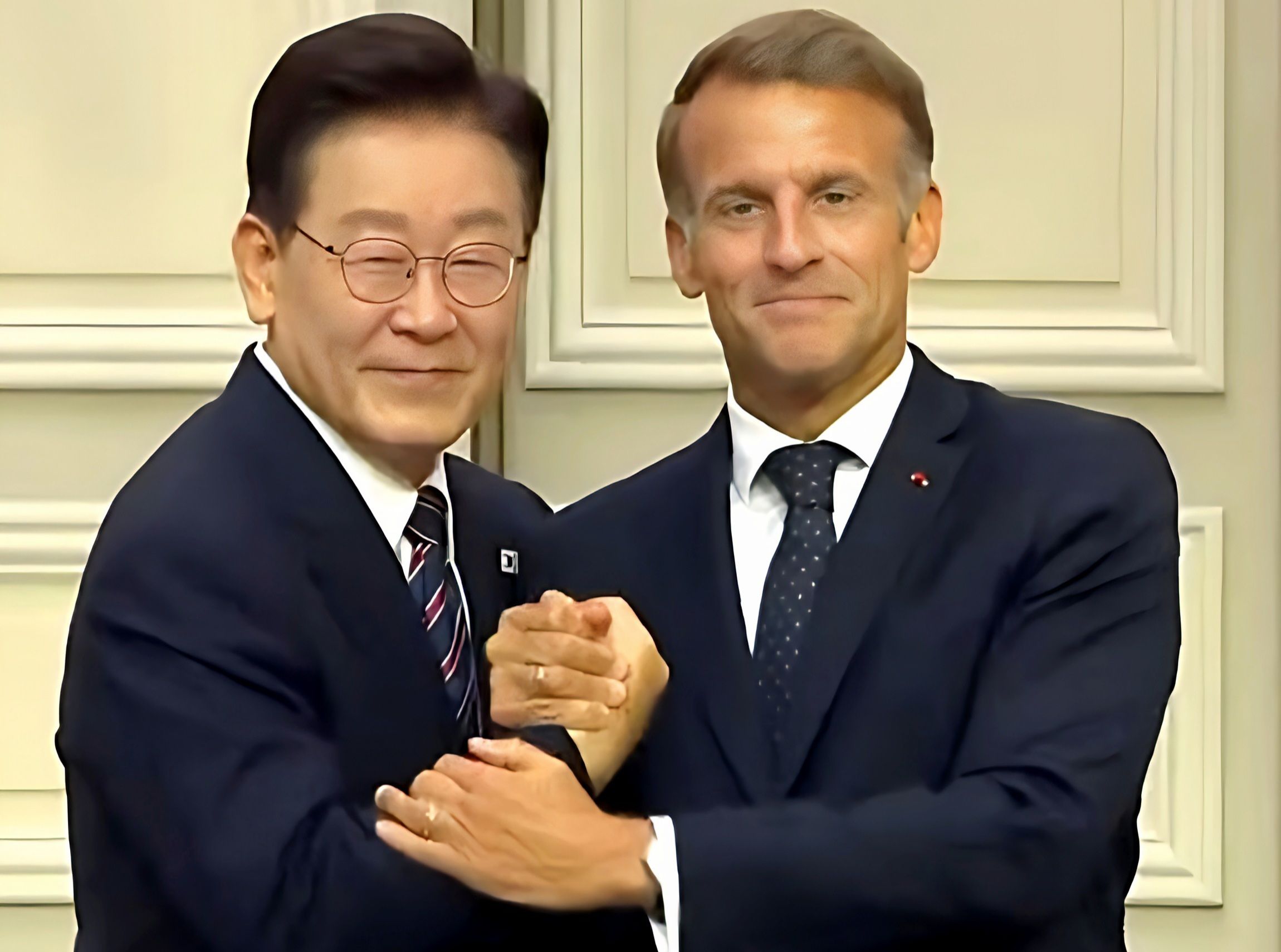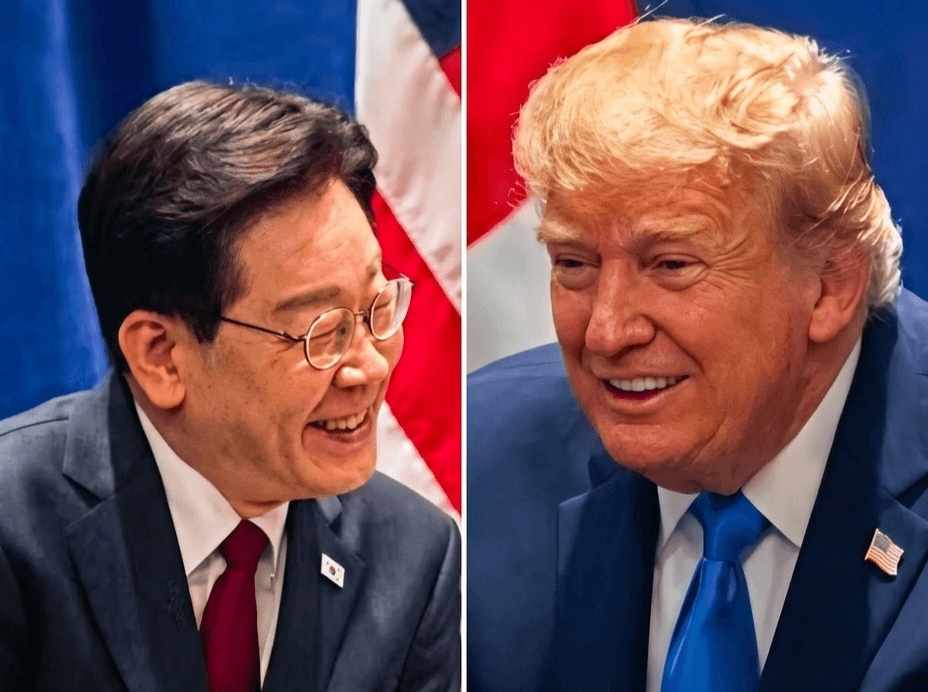
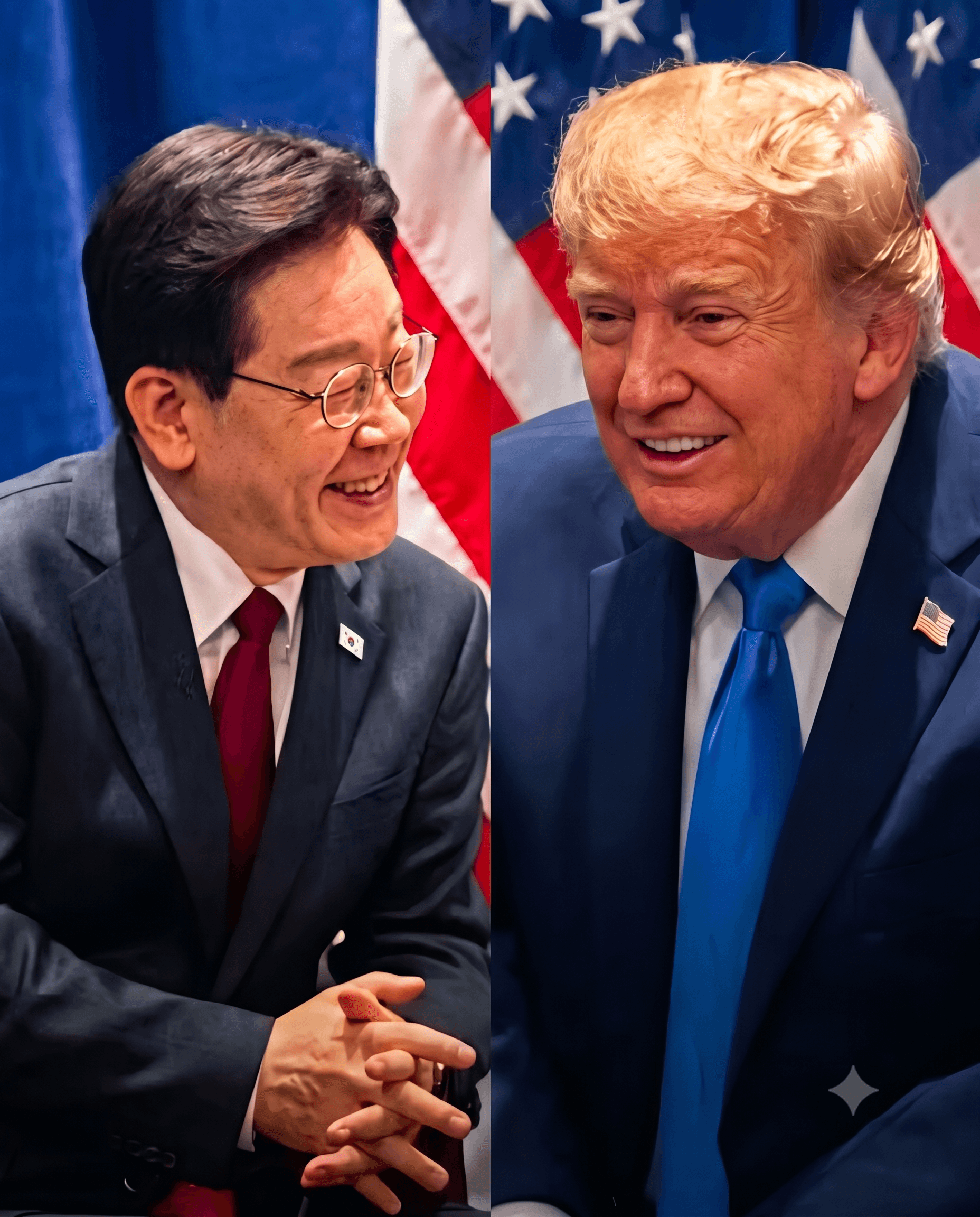
NEW YORK, Sept. 22 — South Korean President Lee Jae-myung and U.S. President Donald Trump agreed to accelerate discussions on acquiring nuclear-powered submarines and expediting the transfer of wartime operational control (OPCON) during a 30-minute bilateral summit in New York on Tuesday, Seoul officials said.
The meeting, arranged on short notice on the sidelines of the United Nations General Assembly, marked the third face-to-face summit between the two leaders following earlier encounters in Washington and at the Asia-Pacific Economic Cooperation (APEC) summit in Gyeongju.
In a strategic bid to advance Seoul’s long-standing defense goals, the South Korean delegation proposed increasing its share of defense spending and broadening strategic industrial investments in the United States in exchange for tangible progress on nuclear-powered submarine capabilities.
"While discussions regarding the civil nuclear agreement and nuclear-powered submarines had previously stalled due to various hurdles, significant advancements in our strategic investments in the U.S. provided the primary catalyst to formally table these matters," a senior presidential official told reporters.
National Security Adviser Wi Sung-lac confirmed in a press briefing that both sides reaffirmed their shared commitment to follow up on the framework established in their previous joint fact sheet. Key areas of bilateral cooperation include securing fuel for nuclear-powered submarines, spent-fuel reprocessing and uranium enrichment, naval shipbuilding collaboration, and the conditions-based OPCON transition.
The transfer of wartime operational control emerged as one of the most extensively discussed topics during the closed-door session. President Lee underscored South Korea’s intent to fulfill transition prerequisites swiftly, framing self-reliant defense capabilities as mutually beneficial for the alliance. Trump reportedly listened closely to Seoul’s rationale and signaled greater understanding of the initiative.
On North Korea, the U.S. president reaffirmed his willingness to resume direct diplomacy with Pyongyang, citing his distinctive rapport with North Korean leader Kim Jong Un. With inter-Korean channels largely frozen, Lee requested that Trump take a leading role in re-engaging the North. Both leaders committed to serving as "peacemakers and pacemakers" to reduce tensions and establish sustainable peace on the Korean Peninsula.
Lee also touched upon regional geopolitics, wishing Trump success in his upcoming summit with Chinese leadership and highlighting the critical impact of stable U.S.-China relations on regional stability.
The unexpectedly broad lineup of senior U.S. attendees reflected Washington's intense focus on manufacturing partnerships and cross-border capital investment. Flanking Trump were Secretary of State Marco Rubio, Treasury Secretary Scott Bessent, Commerce Secretary Howard Lutnick, and White House Chief of Staff Susie Wiles. Foreign Minister Cho Hyun and National Security Adviser Wi Sung-lac represented the South Korean side.
The meeting concluded on a convivial note, with the two leaders moving together to a diplomatic reception after casually discussing plans to potentially play a round of golf during the upcoming Group of 20 (G20) summit in December.
TAP HERE for an English-Korean bilingual version. [영한대역으로 보려면 여기를 누르세요]