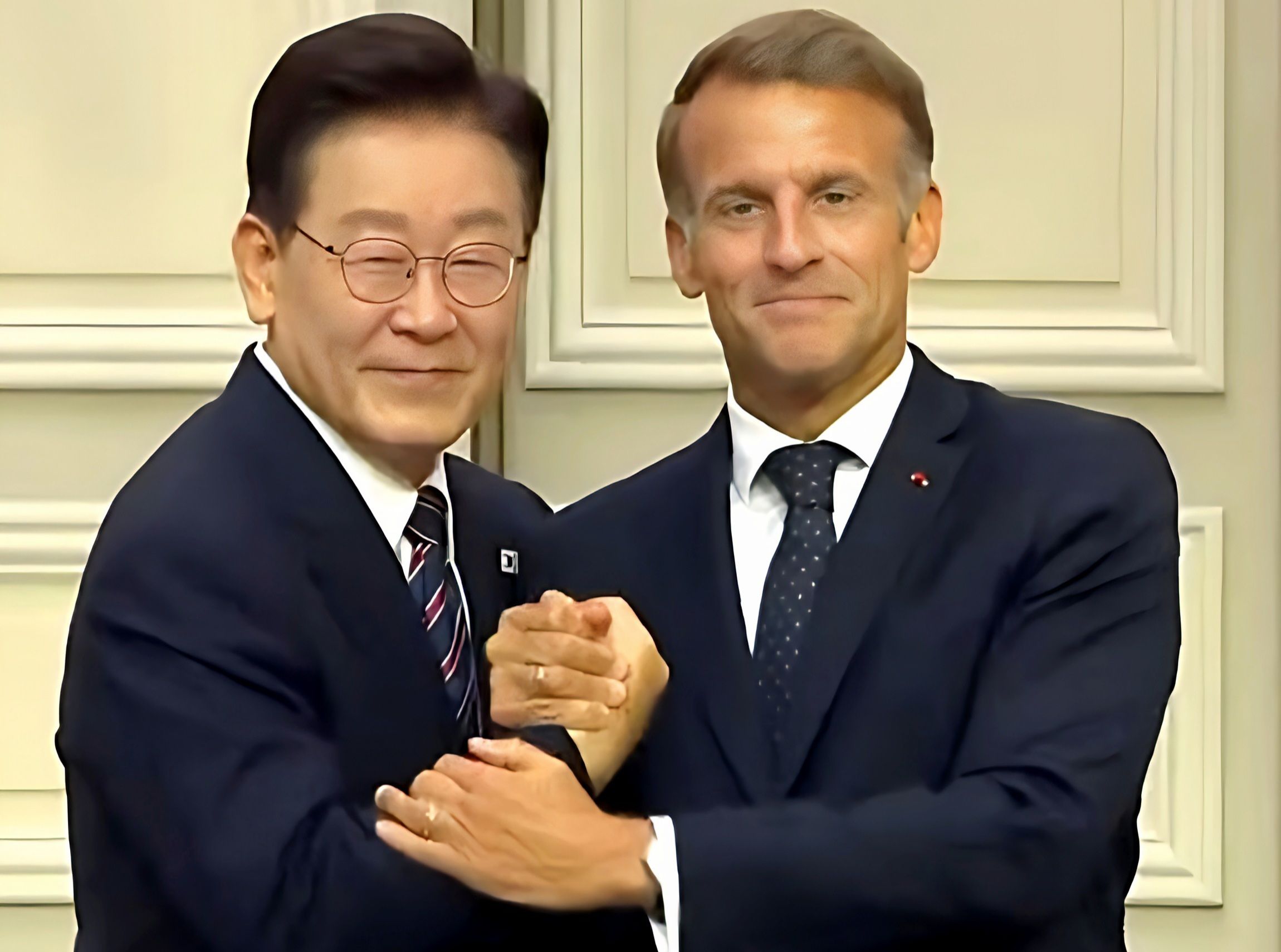
SEOUL — What brings five resource-rich Eurasian powerhouses to the same negotiating table with an Asian manufacturing titan? In an era where global supply chains are cracking under geopolitical friction, the answer lies in an ambitious, high-stakes recalculation of Eurasian diplomacy.
On Wednesday, South Korean President Lee Jae-myung hosted the heads of state from five Central Asian nations—Kazakhstan, Uzbekistan, Kyrgyzstan, Tajikistan, and Turkmenistan—for the inaugural Korea-Central Asia Summit. Far from an ordinary diplomatic greeting, the closed-door discussions yielded the comprehensive "Seoul Declaration," an expansive blueprint designed to redefine the industrial, digital, and strategic map between East and Central Asia for the next 30 years.
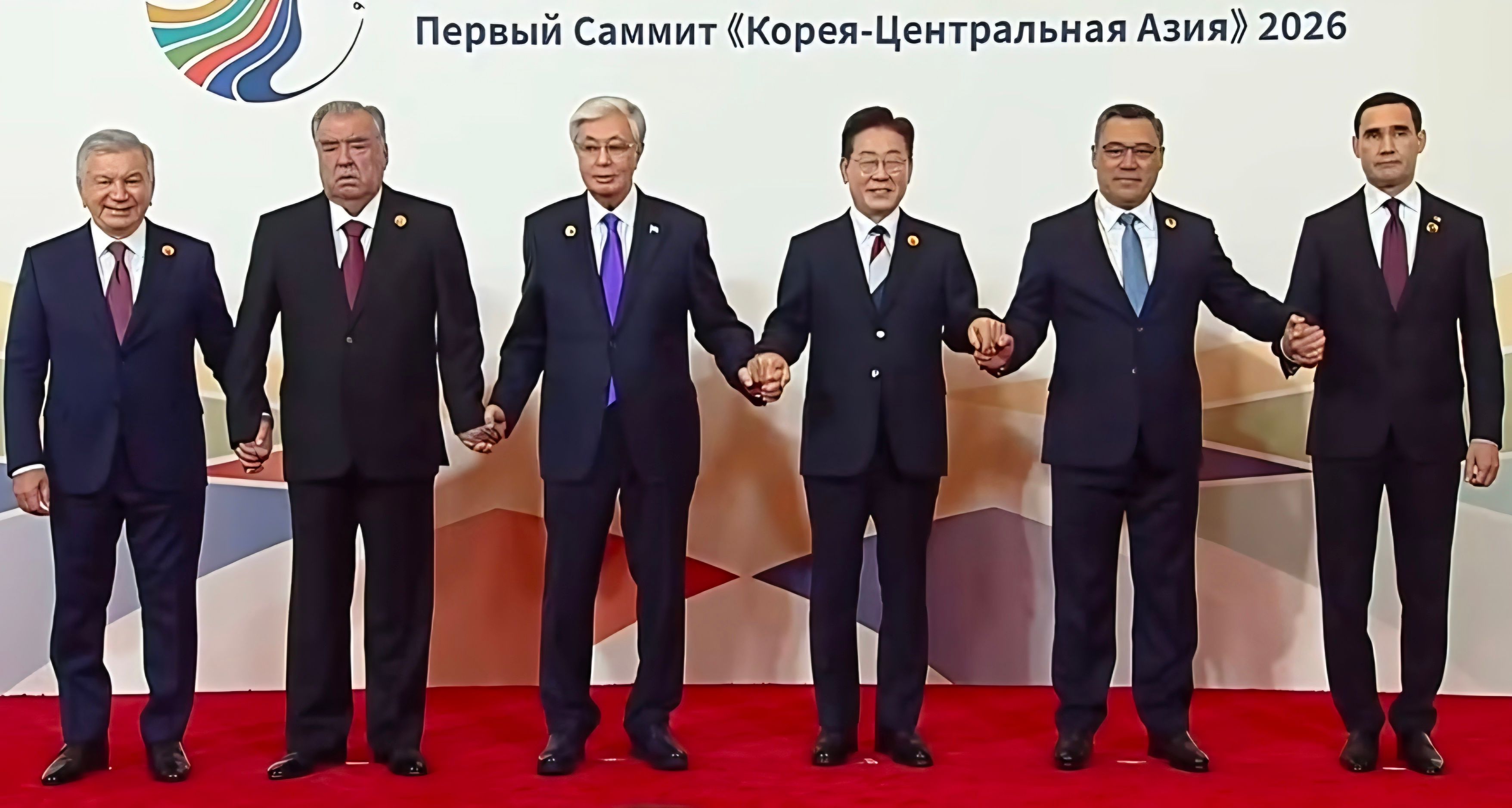
At the core of this unprecedented multilateral gathering is a mutual imperative. South Korea, an advanced industrial powerhouse renowned for semiconductor, electric vehicle, and battery production, faces an urgent need to diversify its critical mineral and energy lifelines. Central Asia, possessing vast reserves of rare earth elements, uranium, and natural gas alongside rapidly growing youth demographics, requires modern manufacturing infrastructure and advanced technological capabilities to move past raw resource extraction.
Rather than settling for traditional buyer-seller transactions, President Lee championed a "mutually beneficial value chain." Under this framework, South Korean industrial know-how and talent development will support domestic processing and localized manufacturing across Central Asia. In return, South Korea secures predictable, diversified access to crucial raw materials. To convert rhetoric into binding reality, the six countries formalized a Memorandum of Understanding on Industrial and Supply Chain Cooperation, establishing a permanent Korea-Central Asia Industry Ministers' Consultative Body to institutionalize trade and investment roadmaps.
The diplomatic ambitions, however, reach well beyond underground minerals. Acknowledging that long-term prosperity hinges on digital innovation and climate resilience, the summit unveiled two flagship multilateral roadmaps: the "Korea-Central Asia Future AI and Science Technology Partnership Initiative" and the "Climate, Energy, and Environment Initiative." The participating governments pledged to collaborate on artificial intelligence adoption, public service digitalization, and cross-border research talent development, while simultaneously tackling severe ecological hurdles such as water management, reforestation, and regional green energy transitions across the Eurasian steppes.
Regional security and peace formed another pillar of the dialogue. President Lee commended the five Central Asian states for their longstanding commitment to non-proliferation, pointing to their historic 2006 Central Asian Nuclear-Weapon-Free Zone treaty. Lee requested their continued international backing for inter-Korean dialogue, nuclear non-proliferation, and the diplomatic transition toward a permanent peace regime on the Korean Peninsula. In return, Seoul committed to sharing its institutional experience to help Central Asian nations tackle transnational organized crime, terrorism, and emerging cybersecurity threats.
Beyond statecraft and commerce, the summit touched on a deeply personal human connection. Next year marks the 90th anniversary of the forced relocation and settlement of ethnic Koreans, known as Koryoin, across Central Asia. Describing the diaspora as an irreplaceable human bridge that binds the two regions together, the leaders agreed to roll out joint historical and cultural commemorative projects. This will be matched by structural reforms to streamline academic exchanges, professional visas, business delegations, and expanded commercial air routes.
Wednesday's summit elevates nearly two decades of working-level cooperation—first launched through ministerial forums in 2007—directly into a permanent multilateral summit mechanism. The leaders have already agreed to reconvene in Kazakhstan in 2028 to review implementation milestones. For Seoul and the nations of Central Asia, this historic pact marks the opening chapter of a modernized, high-tech Silk Road built to withstand the geopolitical uncertainties of the twenty-first century.
TAP HERE for an English-Korean bilingual version. [영한대역으로 보려면 여기를 누르세요]