Eighty-one years after regaining light, Korea stands not merely as a survivor of history, but as a nation forged by the blood of independence martyrs and summoned to overcome modern headwinds through visionary leadership, wisdom, and national unity.
I. The Fallacy of a "Gifted" Liberation
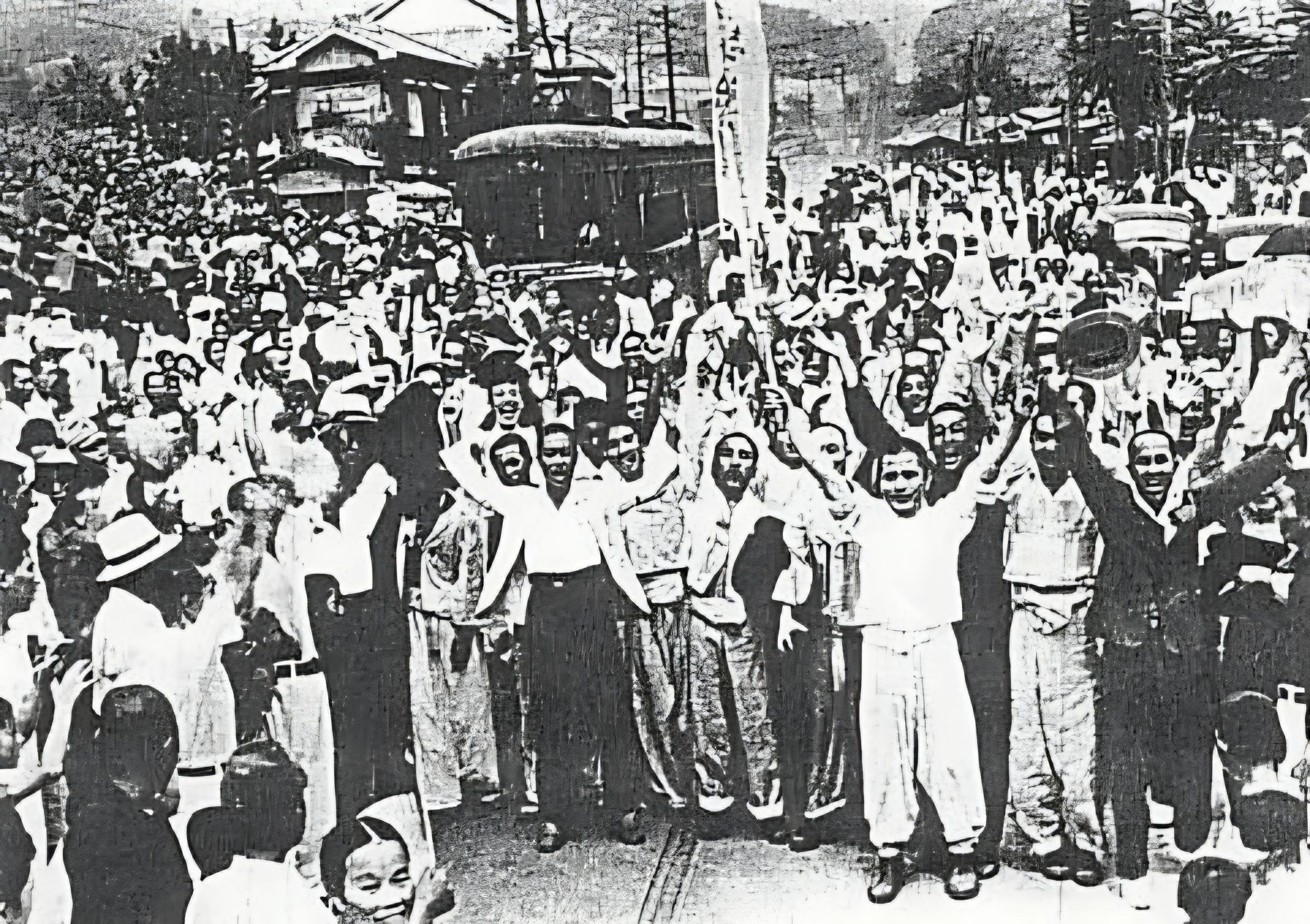
On August 15, 1945, the dark thirty-five-year shadow of imperial Japanese rule finally dissolved across the Korean Peninsula. Millions poured into the streets, waving the Taegeukgi and crying for Gwangbok—literally "the restoration of light."
Yet, global history too often oversimplifies this watershed moment as a mere geopolitical byproduct of World War II. To view Korea’s liberation solely as a passive dividend of Allied victory is a profound distortion. Freedom was neither accidental nor free; it was bought through thirty-five years of blood, sweat, and unyielding resistance by a people who resolutely refused to be erased from the map.
At the core of this miraculous endurance stand five towering pillars of our independence struggle, whose vision and sacrifice laid the moral foundation for the nation we inhabit today.
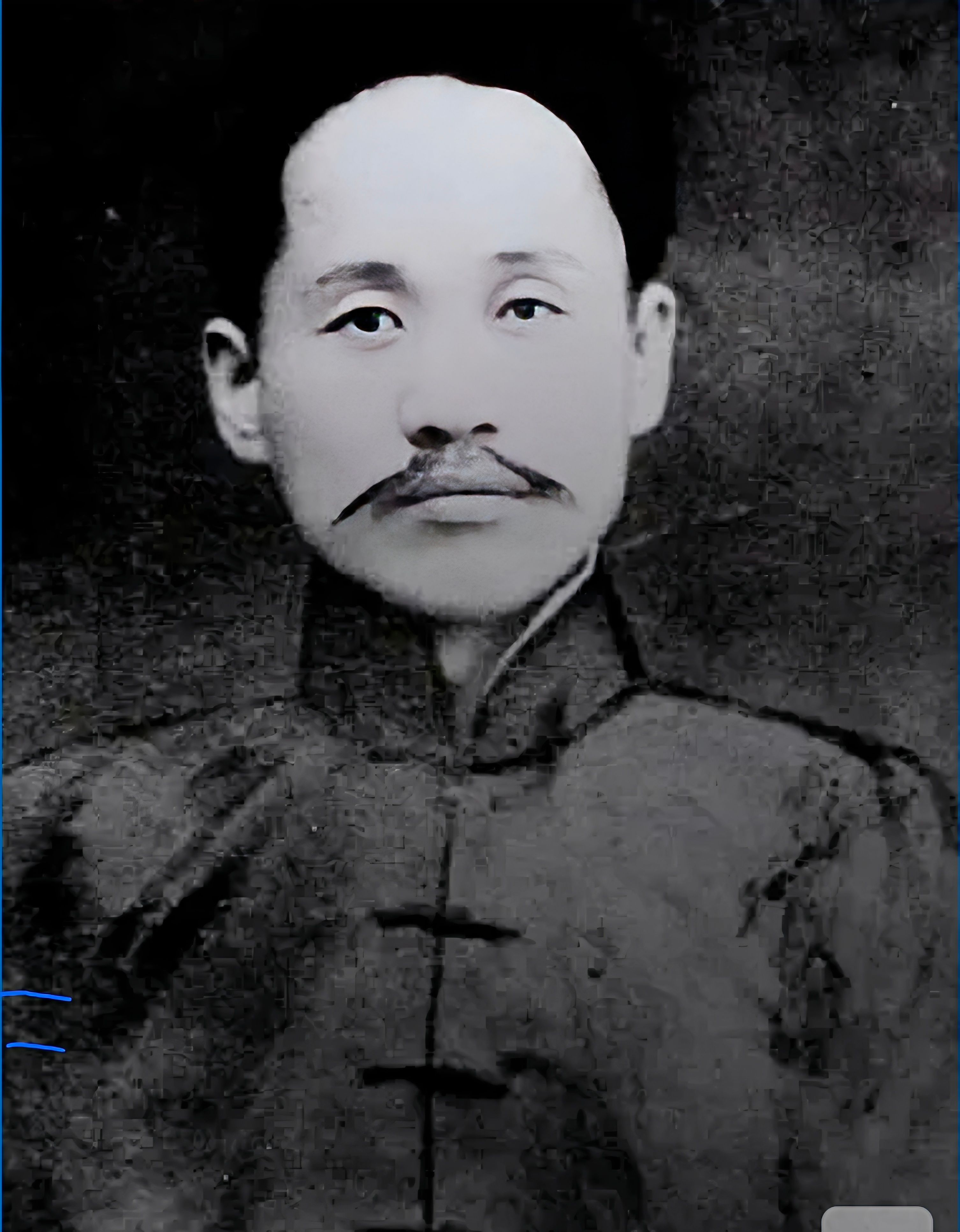
II. The Intellectual Awakening and Grassroots Courage
The fight for sovereignty began in the mind and soul of the nation. Shin Chae-ho (1880–1936), the titan of nationalist history, provided the ideological fuel for active resistance. His seminal 1923 Declaration of the Korean Revolution rejected compromise with colonial authorities, advocating direct popular uprising. Through works like Joseon Sanggosa, Shin dismantled imperial historical distortions, instilling an unshakeable pride in Korean identity.
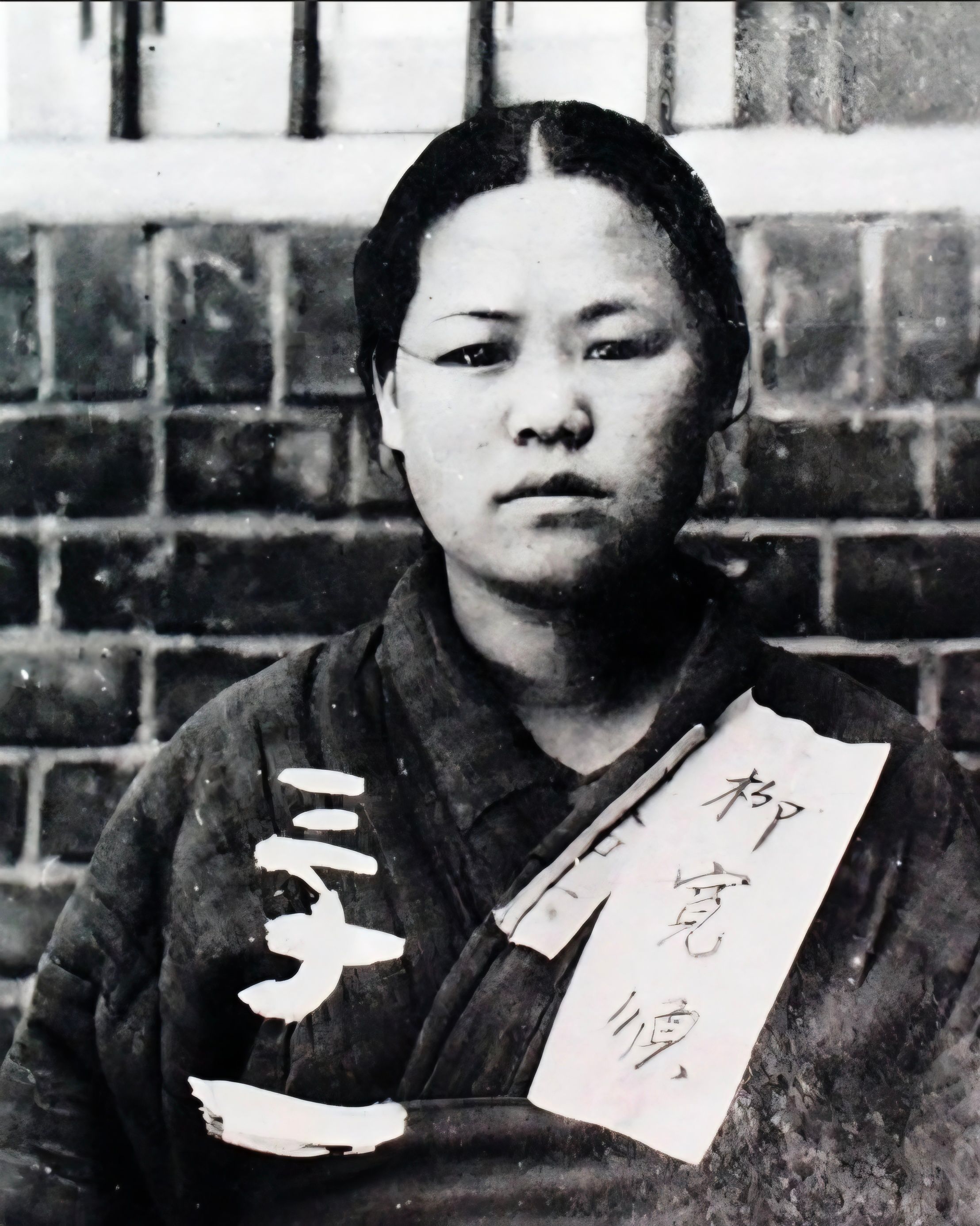
That intellectual spark ignited the grassroots. Ryu Gwan-sun (1902–1920) came to personify the indomitable spirit of ordinary citizens. At just seventeen, she mobilized over 3,000 compatriots at the Aunae Marketplace during the historic 1919 March 1st Movement. Even within the grim walls of Seodaemun Prison, her defiance never wavered before her martyrdom at eighteen, proving to the world that a nation's longing for liberty could never be jailed.
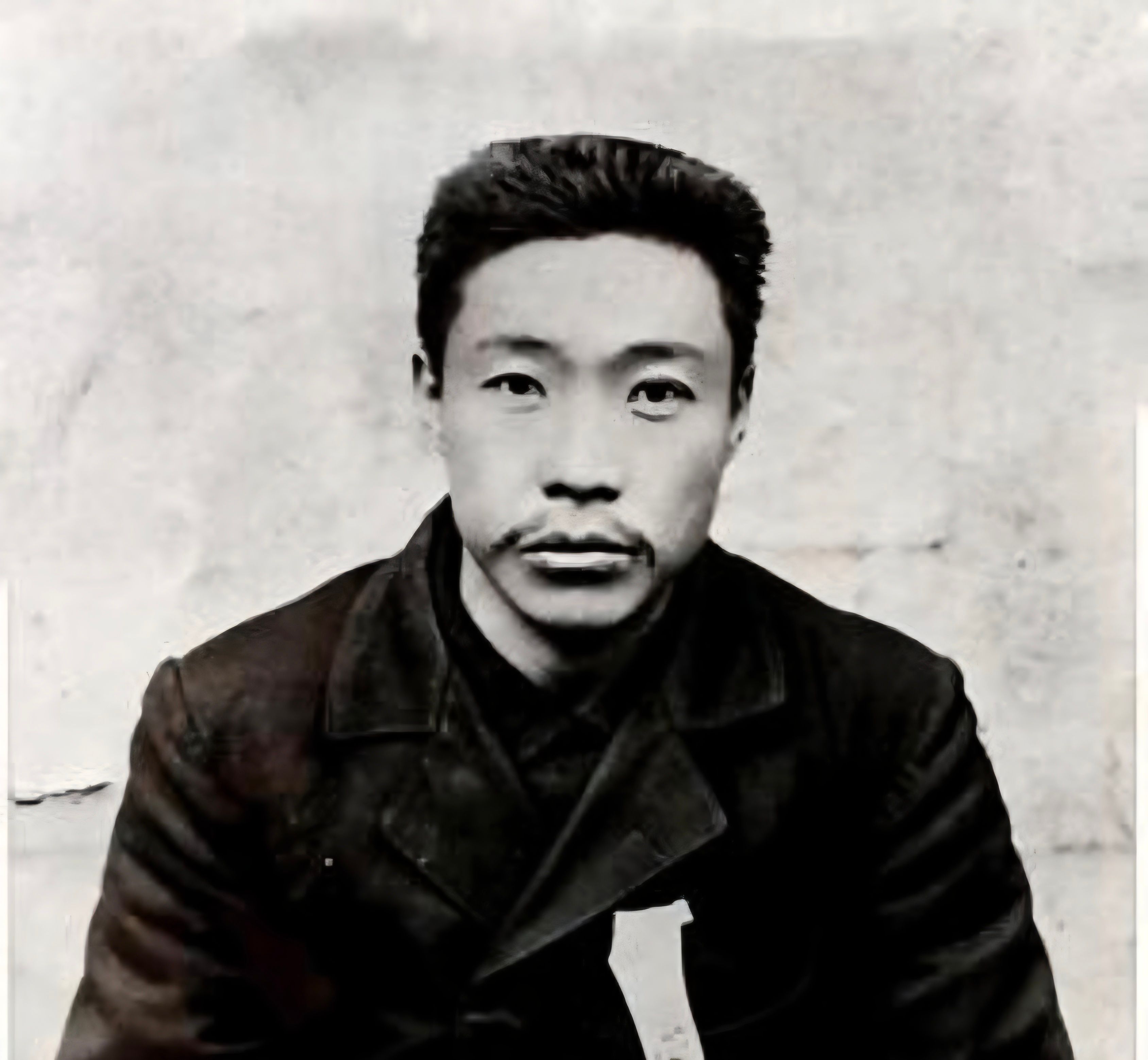
III. Decisive Strikes and Strategic Breakthroughs
Freedom also demanded direct, uncompromising confrontation with imperial militarism. An Jung-geun (1879–1910) delivered a thunderous wake-up call to the international community in 1909 by eliminating Itō Hirobumi, the chief architect of Korea's subjugation, at Harbin Station. Imprisoned in Lushun, An spent his final days drafting On Peace in the East, articulating a surprisingly modern framework for East Asian peace and multilateral cooperation that remains remarkably relevant today.
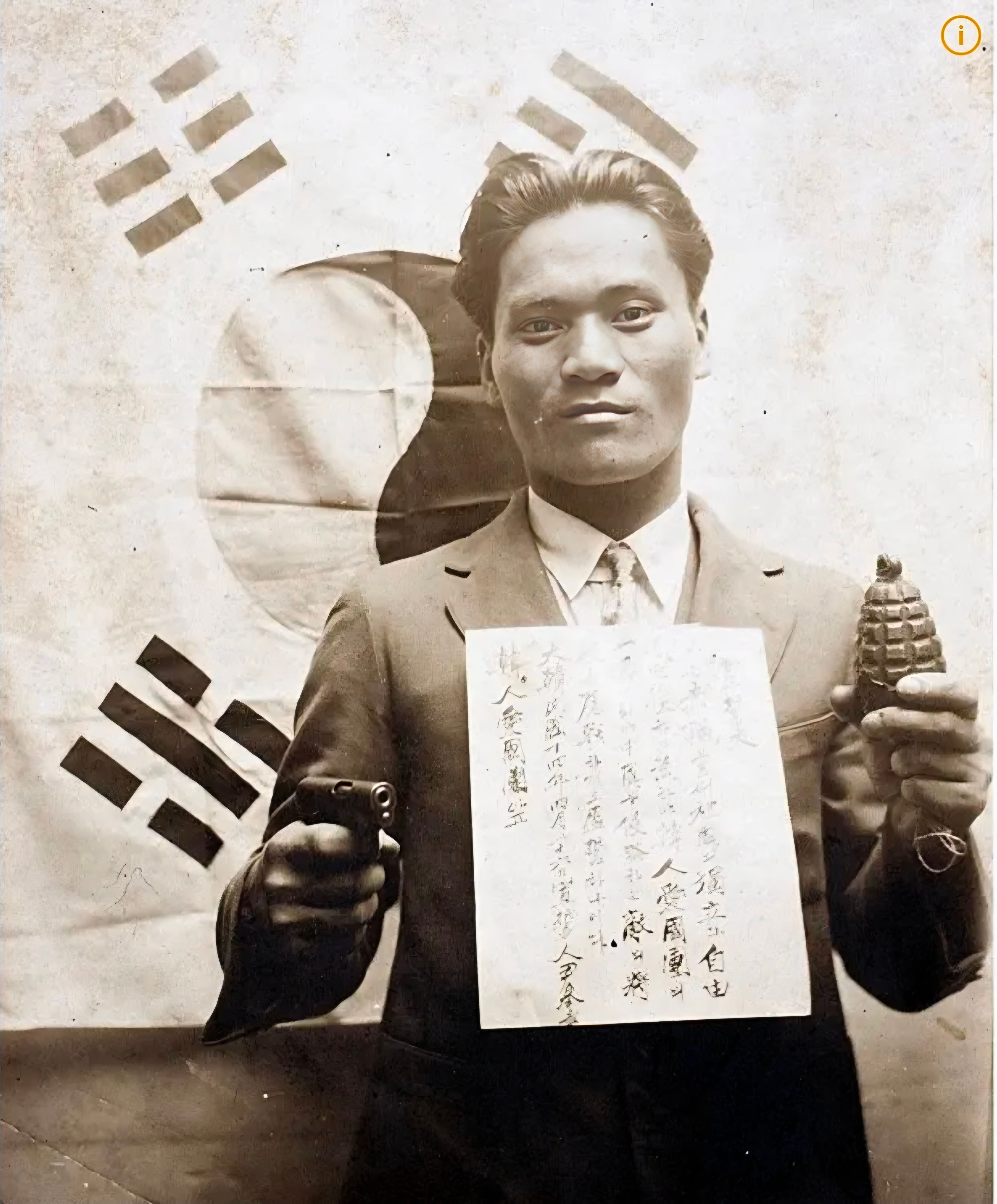
Two decades later, when the independence movement faced severe stagnation under brutal colonial suppression, Yun Bong-gil (1908–1932) reignited the flame. His legendary 1932 bomb plot at Shanghai's Hongkou Park struck down top Japanese military leadership. The feat electrified the global anti-colonial front, prompting Chinese leader Chiang Kai-shek to famously remark that "a single Korean patriot accomplished what hundreds of thousands of soldiers could not," opening the floodgates for crucial international support for the Korean Provisional Government.
IV. The Anchor of Sovereignty and Military Command
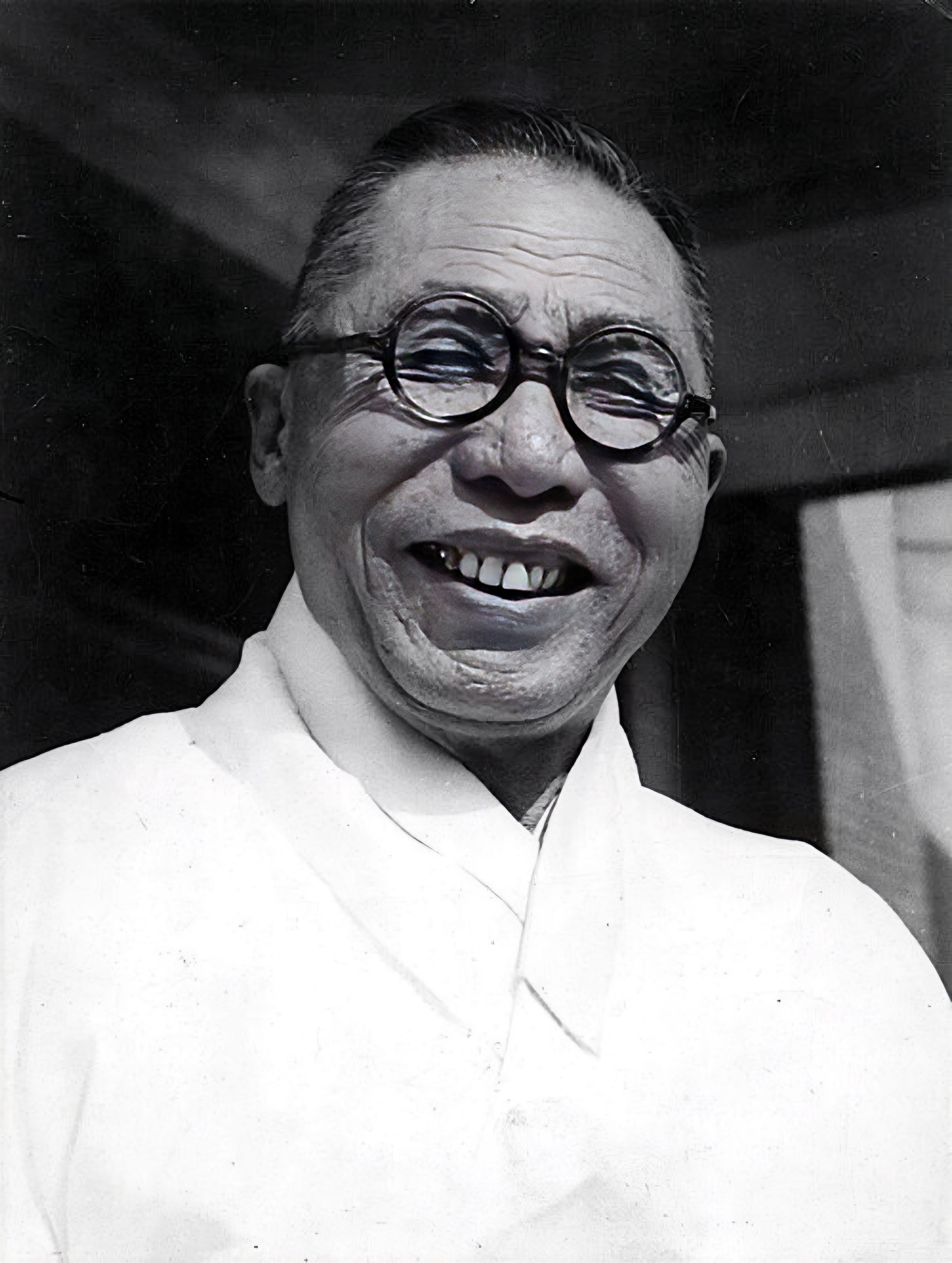
Guiding this multi-front resistance through its darkest hours was Kim Koo (1876–1949), the revered president of the Provisional Government of the Republic of Korea. For decades in exile, under constant threat of assassination, Kim maintained the constitutional continuity of our state.
Kim organized the Korean Patriotic Organization to execute high-impact resistance campaigns and later established the Korean Liberation Army (Gwangbokgun). By training units for direct domestic military operations to reclaim the homeland, Kim ensured that Korea claimed its place at the victory table not as a bystander, but as an active belligerent for its own freedom.
V. From the Ashes to a Global Beacon
The trajectory from the sacrifice of these five icons to modern Korea is direct and undeniable. The same tenacity that preserved the native alphabet (Hangeul) against colonial extinction propelled the "Miracle on the Han River" following the devastation of the Korean War (1950–1953).
In a single generation, a war-torn, aid-dependent nation transformed itself into a global titan of high-tech innovation, semiconductor dominance, and industrial power. Today, that triumph transcends economics. The nation that was once forbidden from speaking its own tongue now shapes world cinema, music, and contemporary culture. Korea’s ultimate victory lies in its ability to turn deep historical scars into world-leading creative energy.
VI. Navigating Today’s Crises
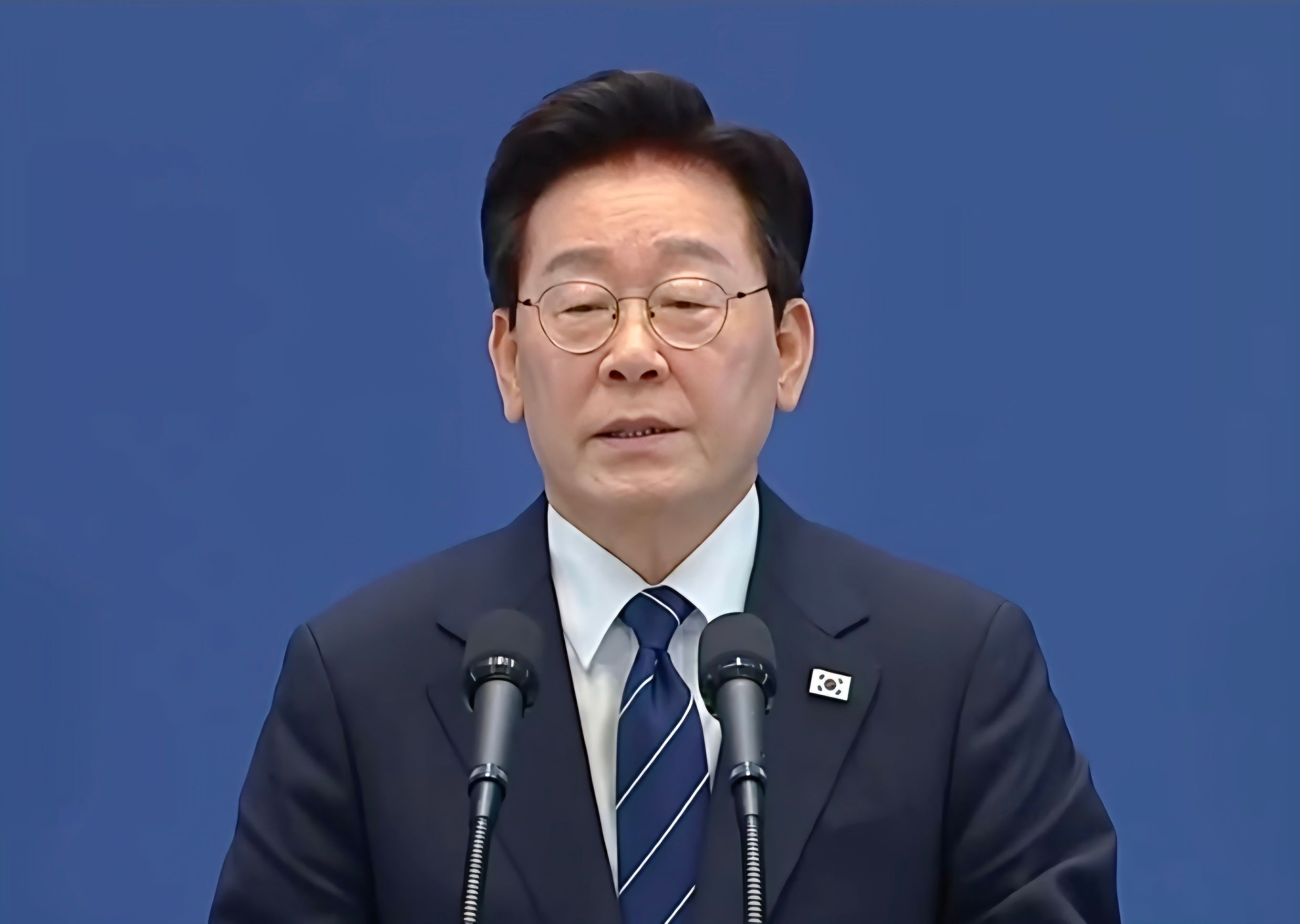
Reaching its 81st year—traditionally known as Bansu (半壽), an era symbolizing refined wisdom and maturity—the republic now stands at a critical crossroads, demanding bold and balanced leadership from President Lee Jae-myung across all major state affairs.
In politics, the administration must champion genuine cross-party unity and institutional compromise, transcending divisive factionalism to build a governance framework worthy of a mature democracy.
In diplomacy and national security, Korea must navigate intensifying great-power rivalries with principled pragmatism, fiercely defending national interests while building robust peace along the Armistice Line.
In the economy, state leadership must boldly foster next-generation industries like artificial intelligence and green energy, while ensuring that the fruits of growth are fairly shared to protect the most vulnerable.
In society, public trust must be restored by actively healing deep-seated polarizations and constructing a fairer social safety net grounded in mutual empathy.
In culture, the government should tirelessly support creative freedom, expanding Korea’s soft power so that our rich artistic heritage continues to inspire and uplift the international community.
Eighty-one years after the light returned, the mandate of August 15 remains a living covenant rather than a quiet memory. As we honor Kim Koo, An Jung-geun, Yun Bong-gil, Ryu Gwan-sun, and Shin Chae-ho, we are reminded that true national greatness is demonstrated by overcoming present-day adversities.
Governing a nation through turbulent global currents is a profoundly arduous duty, requiring not only sharp intellect, but immense spiritual fortitude. May President Lee Jae-myung be blessed with unyielding strength, courageous clarity, and profound wisdom to resolve the nation's tangled challenges smoothly and harmoniously.
Guided by the unbreakable spirit forged in Shanghai and Manchuria, may our republic overcome every domestic and international storm, allowing the light reclaimed in 1945 to illuminate our prosperous future for generations to come.
TAP HERE for an English-Korean bilingual version. [영한대역으로 보려면 여기를 누르세요]