Click here to watch the live trial.
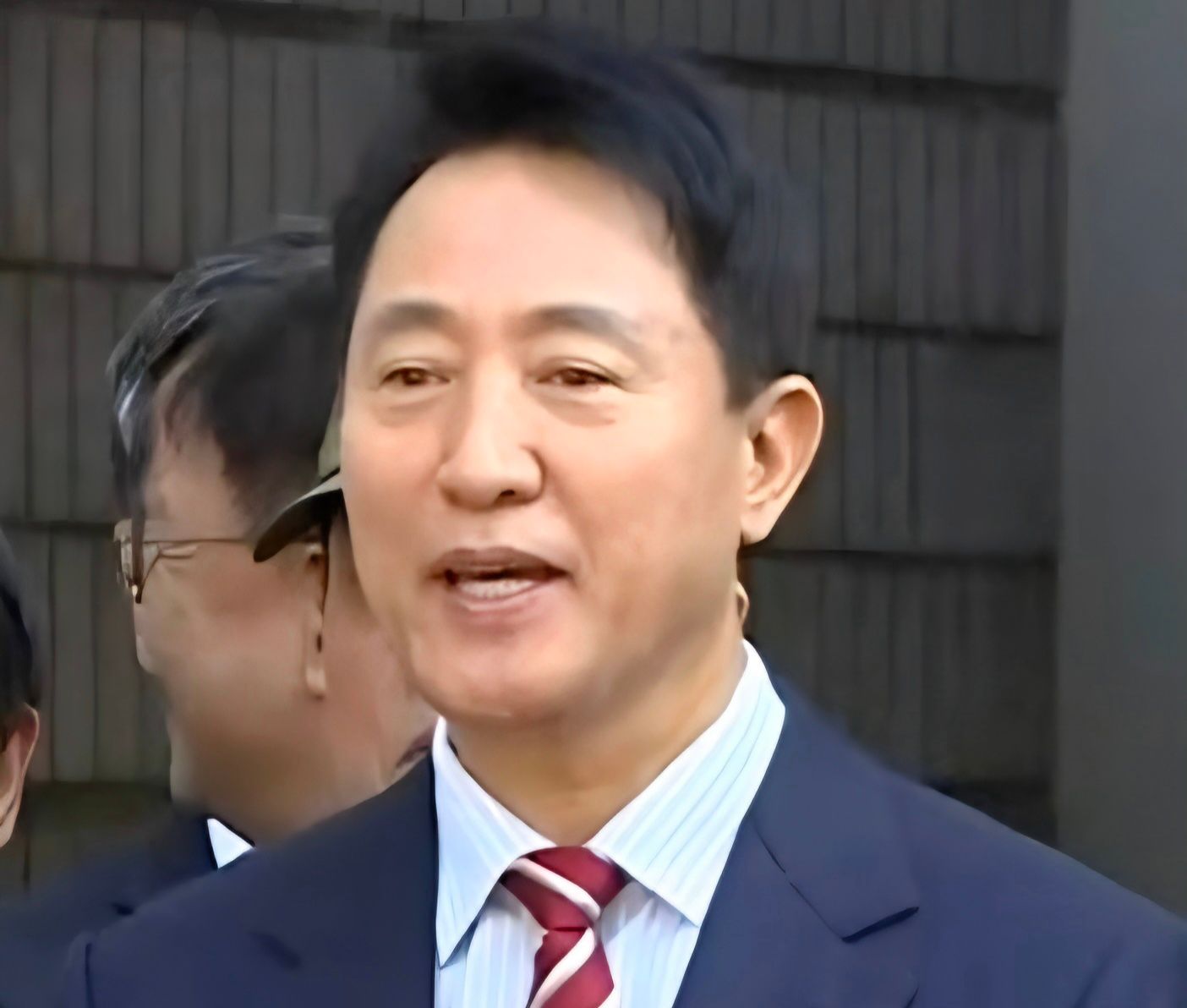
SEOUL -- Seoul Mayor Oh Se-hoon has finally shaken off his heaviest political shackles. On October 23, 2026, the Criminal Division 7 of the Seoul High Court overturned the lower court’s guilty verdict and acquitted Mayor Oh of all charges related to alleged violations of the Political Funds Act. Having stood on the brink of political extinction after being sentenced in the first trial to a 10 million won fine—a penalty sufficient to strip him of his post—and a forfeiture, Mayor Oh has staged a dramatic revival. Far beyond merely resolving an individual’s legal risks, this ruling is set to become a megaton political turning point, completely shaking up the balance of power between the ruling and opposition blocs and altering the trajectory of the upcoming presidential race.
The Decisive Smoking Gun That Reversed the First-Trial Verdict by 180 Degrees
The focal point of this appellate trial was whether the lower court’s conclusion could be overturned. In the first trial, the bench found Mayor Oh guilty on five counts of requesting opinion polls from political broker Myung Tae-kyun ahead of the April 7, 2021 Seoul mayoral by-election and having the costs paid by his supporter, a Mr. Kim, handing down a fine. The primary basis of that ruling had been Myung’s detailed testimony.
However, the appellate court took an entirely different stance. It firmly stated, "It is difficult to grant credibility to the testimony of Myung Tae-kyun, the sole direct piece of evidence supporting the charges in this case," concluding that the prosecution failed to establish the criminal facts beyond a reasonable doubt.
What decisively shifted the tide was an audio recording of a phone conversation between Kim and Myung, presented as key evidence during the appeal. In the recording, Myung was heard saying, "Oh Se-hoon doesn't know. He doesn't know, so don't worry. I'll handle it," and "I did it discreetly, Mayor." Based on this, Mayor Oh’s defense argued tenaciously that the dealings between Kim and Myung were conducted independently, completely outside Oh's knowledge. The appellate court likewise concluded that this recording dismantled the consistency and objective credibility of Myung's testimony. Interestingly, the same judicial bench had previously acquitted another defendant in an illicit poll-provision case after rejecting the reliability of Myung’s statements. Consequently, the series of legal risks that originated from Myung’s claims collapsed under the judiciary's strict standards of evidence.
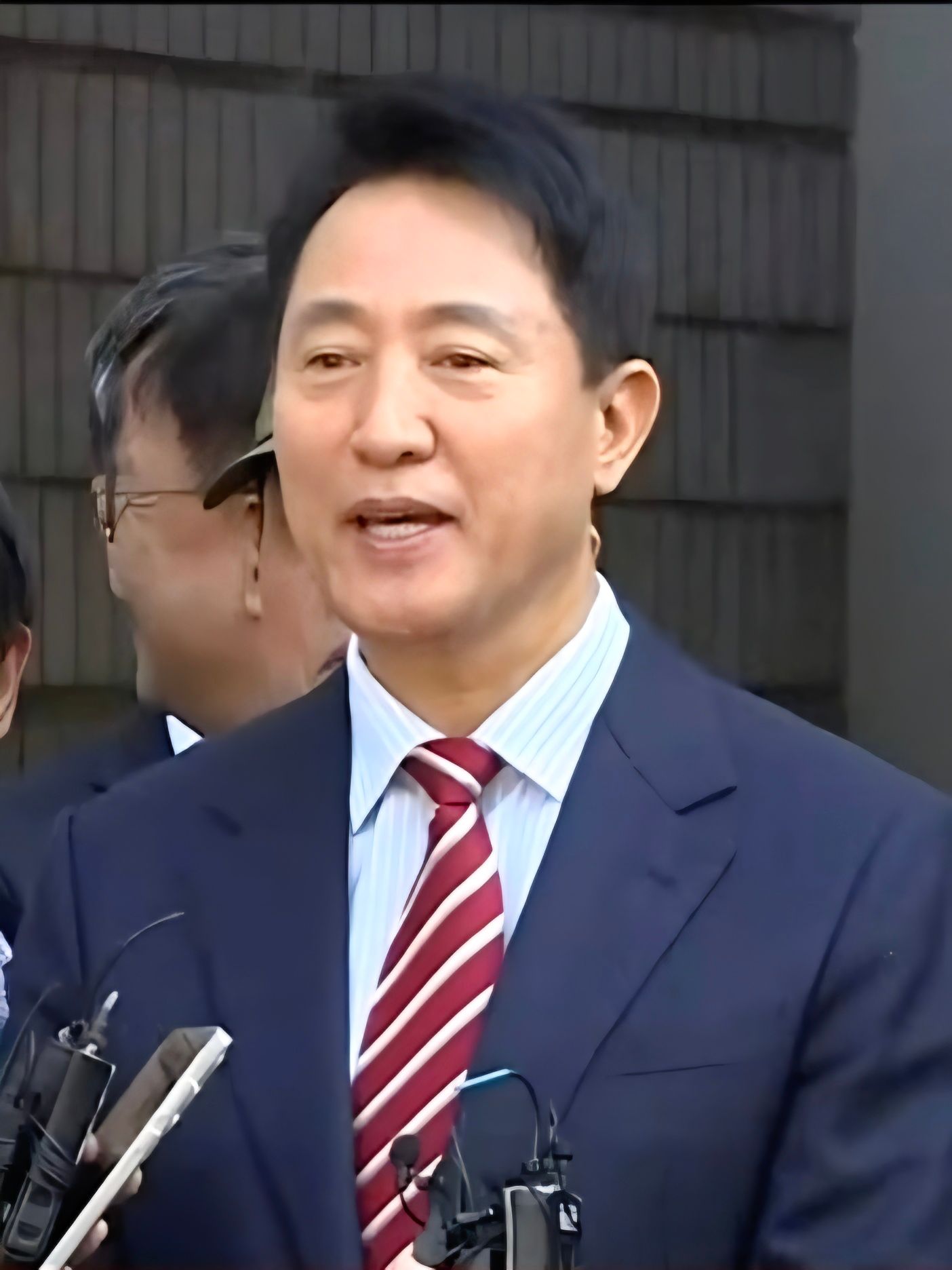
Restoring Stalled City Administration and Reshaping Opposition Power Dynamics
With this acquittal, Mayor Oh has fully cleared the legal burden that had hobbled his leadership. Since the first-trial verdict, persistent concerns had circulated regarding a leadership vacuum in the Seoul Metropolitan Government. Major municipal projects—such as large-scale urban development initiatives, the Great Han River Project, and key transit and welfare policies—faced warnings of stalled momentum due to the looming legal hazards.
Yet, with the risk of losing his mayoral post now gone, Mayor Oh is poised to immediately regain firm control over city administration. Not only will his priority initiatives regain momentum, but the political legitimacy of his governance will also be significantly enhanced.
Even more noteworthy is the shifting balance of power within the opposition bloc. The conservative camp, including the People Power Party, has long suffered a protracted impasse, struggling to find a clear center of gravity. With a credible lineup of presidential contenders yet to take solid shape, Mayor Oh's earlier conviction had dealt a severe blow to the entire conservative establishment. However, with Mayor Oh now legally exonerated, conservatives have regained a formidable incumbent leader overseeing a capital of 10 million people as a viable presidential asset. As a seasoned administrator capable of bridging non-pro-Yoon factions and moderate conservatives returns to the center stage, the opposition's future power architecture is highly likely to rapidly coalesce around Mayor Oh.
A Direct Path to the Presidential Race: Formidable Tasks and Hurdles Ahead
In the wake of the verdict, voices among supporters and political insiders are already actively projecting a direct run for the presidency. Having served four terms as Seoul Mayor with proven appeal among moderate voters, Mayor Oh possesses a rare, formidable track record that rival contenders cannot easily match. His widespread public recognition and polished policy branding, particularly attractive to the capital metropolitan electorate, will serve as powerful competitive strengths in any national campaign.
Nonetheless, significant hurdles remain before he can launch a full-fledged bid for the presidency.
First is the Supreme Court appeal process initiated by the prosecution. Although the second trial cleared him on grounds of misapprehension of facts and insufficient evidence, the case remains technically unresolved until the highest court delivers a final ruling. While legal analysts broadly anticipate the acquittal will stand given that the Supreme Court primarily examines legal errors rather than facts, political opponents will likely continue their attacks until the proceedings conclude.
Second is expanding his footing within the party and consolidating traditional conservative bases. While Mayor Oh demonstrates strength among moderates and metropolitan voters, doubts have persistently lingered regarding his ideological cohesion with hardline conservative party loyalists. To prevail in a fiercely contested primary, he must bridge the gap between party regulars and general voters, proving his leadership amid complicated factional dynamics.
Third is the matter of ethical and political accountability as the sitting mayor. Even though he evaded criminal penalties, the very fact that his campaign was associated with a political broker could still serve as a vulnerability under intense public vetting. Navigating this will require a calculated, delicate strategy—dispelling criticisms over neglecting municipal affairs while delivering a comprehensive national vision through concrete policies.
Mayor Oh Se-hoon’s appellate acquittal represents far more than an individual's legal victory. It has served as a catalyst, abruptly accelerating the opposition’s presidential clock. With his heavy shackles removed and political wings restored, all eyes across South Korea’s political sphere are now focused on whether Mayor Oh can stabilize Seoul's governance and take his next bold stride into the broader presidential arena.