NATO leaders closed their summit in Ankara with a public show of cohesion, renewing their commitment to the alliance’s mutual-defense clause and presenting new defense and Ukraine-related measures, while also navigating sharp tensions stirred by President Donald Trump. After a summit that opened under the shadow of disputes over the Iran war, defense spending and U.S. commitment to Europe, Trump described the gathering as successful and marked by strong unity. The leaders’ declaration reaffirmed Article 5 as “ironclad,” restating that an attack on one ally is an attack on all. NATO Secretary General Mark Rutte said the meeting demonstrated that the alliance delivers, and he praised what he described as a major transformation driven by higher allied spending, fresh arms contracts and a stronger European role within NATO.
That closing message came after a more volatile start. Trump had criticized allies for not supporting the United States in its war with Iran and raised fresh doubts about burden sharing inside the alliance. At the summit, he again singled out members he believes are not contributing enough, including Spain, which he criticized over the alliance’s new spending target. He also revived his push for U.S. control of Greenland, a semiautonomous territory of NATO member Denmark, reopening a dispute that has unsettled European capitals. Those comments reinforced a broader concern among allies that, despite repeated assurances from Rutte, Trump remains unpredictable and could still test the alliance politically even while participating in its formal commitments. NATO officials and European governments had entered the summit intent on avoiding a public rupture, shaping the agenda around defense industry, rearmament and economic arguments that they believed would resonate with the U.S. president.
One of the summit’s central outcomes was a renewed effort to demonstrate that European allies and Canada are spending more and taking on a larger share of defense responsibilities. Rutte emphasized large increases in allied military budgets and promoted new procurement deals at a defense industry forum held alongside the summit. NATO officials cast that push as evidence of a broader overhaul of the alliance, with Europe seeking to convert higher spending into weapons production, contracts and capability growth. Supporters of that approach argue it serves two purposes at once: strengthening NATO’s deterrence and showing Washington that the alliance also delivers concrete benefits to U.S. industry. Trump appeared receptive to that framing. Rutte told him before the meeting that he should claim credit for the momentum, a pitch that reflected a wider diplomatic effort to keep the summit focused on deliverables rather than divisions.
Ukraine was another major focus. Trump said the United States would grant Ukraine a license to produce Patriot air defense systems, a step that could help Kyiv address continuing missile attacks by enabling production closer to the battlefield. Meeting Ukrainian President Volodymyr Zelenskyy on the summit sidelines, Trump adopted a notably softer tone than he often has in the past, praising Zelenskyy and saying the two had built a good relationship. NATO leaders also agreed on a 70 billion euro package of military support for Ukraine covering this year and 2027, combining funding from a European Union loan program with contributions from NATO allies. The United States will not take part financially, reflecting the Trump administration’s pullback from Ukraine spending. Even so, the package was presented by allies as proof that support for Kyiv remains high and that European members are prepared to shoulder more of the burden.
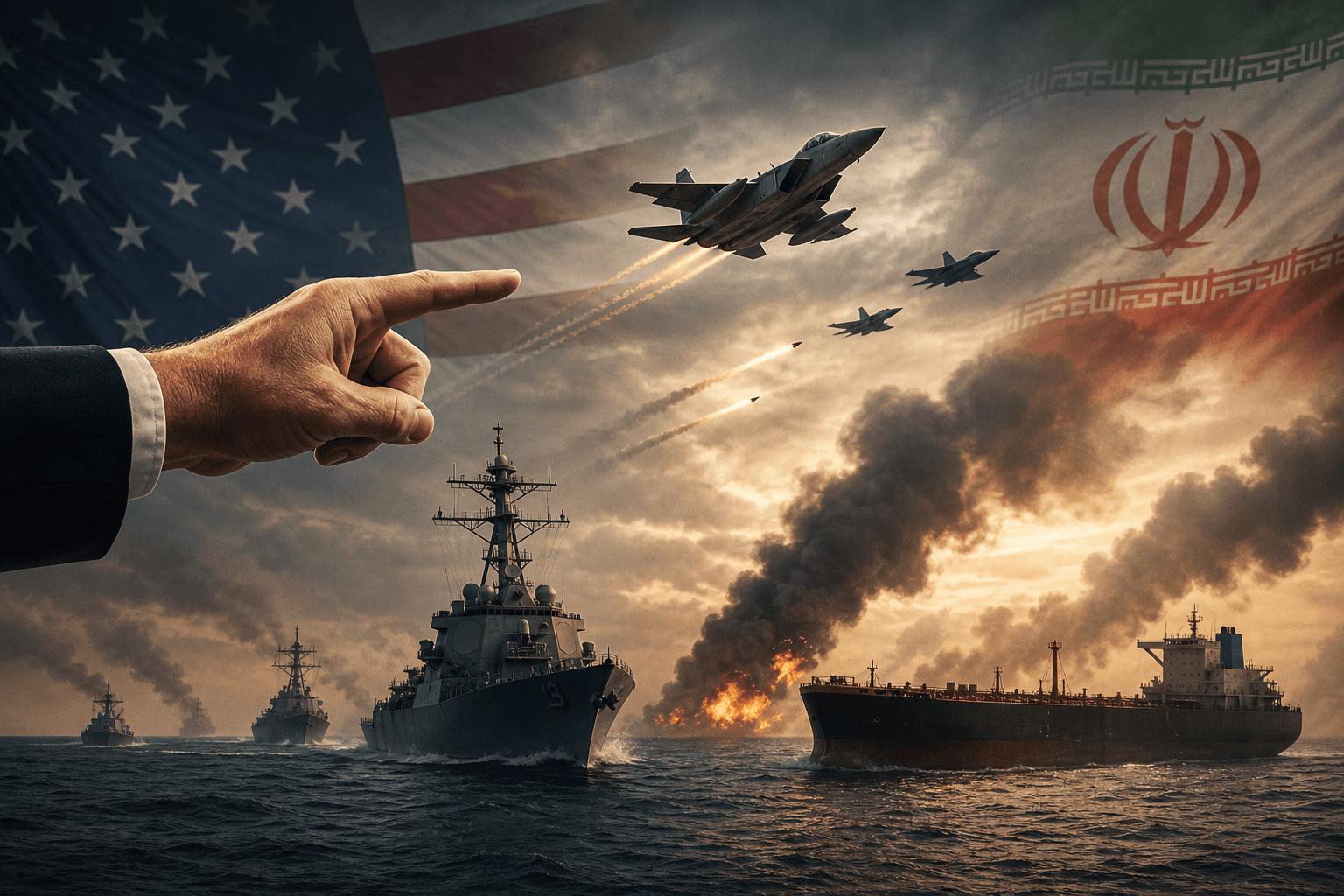
The summit also exposed how the war with Iran has complicated NATO’s internal politics. Trump authorized retaliatory U.S. strikes on Iran during the summit, an unusual move that underscored his frustration with allies who had not joined the campaign or done more to help keep the Strait of Hormuz open. Rutte did not rule out a future NATO role connected to the conflict, though he stressed that Iran lies outside NATO territory and said any alliance involvement would depend on developments in the coming days and weeks. That suggestion appeared to align with Trump’s desire for greater allied participation, but it also touched a sensitive nerve. NATO has long defined itself as a defensive alliance centered on the transatlantic area, and many allies remain wary of another major out-of-area role after Afghanistan. Critics and diplomats alike suggested that any renewed escalation with Iran could quickly overshadow the summit’s carefully managed message of unity.
Behind the formal declarations, much of the diplomacy in Ankara centered on what officials and analysts described as a strategy of managing Trump. European governments and NATO leadership highlighted spending increases, defense contracts and political gestures on Iran in an effort to reduce the chance of a public confrontation. Backers of that strategy say it reflects political reality: the alliance still depends heavily on the United States, and maintaining Trump’s engagement is essential while Europe builds up its own capabilities. But critics argue that the united front masked serious internal strains. They point to U.S. reviews of troop deployments in Europe, warnings from Defense Secretary Pete Hegseth that some allies may “fail” Washington’s test on burden sharing, and lingering disputes over access to European bases during the Iran campaign. Some European officials also worry that summits increasingly revolve around avoiding a presidential blowup rather than resolving structural questions about NATO’s future.
Those structural questions extend beyond immediate crisis management. European leaders have been preparing for a gradual reduction in the U.S. military role on the continent, and several officials have warned that the pace of any shift matters as much as the fact of it. German Defense Minister Boris Pistorius has argued for a coordinated road map to avoid capability gaps if Washington scales back. Analysts have likewise said Europe must move quickly if the United States no longer wants to play its traditional central role. At the same time, some diplomats argue that rising non-U.S. spending could eventually give Europe and Canada greater confidence inside the alliance and gradually rebalance NATO’s internal power. That prospect was visible in Ankara through efforts to replace U.S. capabilities removed from NATO plans and through European-led initiatives on weapons development, even where Washington has expressed skepticism.
By the end of the summit, both sides had material to claim success. Trump left describing warmth and unity after having blasted allies a day earlier, while NATO leaders secured a clear reaffirmation of Article 5, advanced new defense spending and industry narratives, and unveiled additional support for Ukraine. Yet the tensions that preceded the meeting were not resolved so much as contained. Trump’s criticisms over defense spending, his pressure over Iran, and his attacks on individual allies showed that old disputes remain close to the surface. Even the question of where and when NATO will meet next carried uncertainty, with Albania left waiting for confirmation of hosting plans that had once seemed settled. Ankara ultimately offered a carefully staged picture of solidarity, but it also showed how much work the alliance is doing simply to preserve political cohesion as it faces war on its borders, instability beyond them and persistent questions about American leadership.