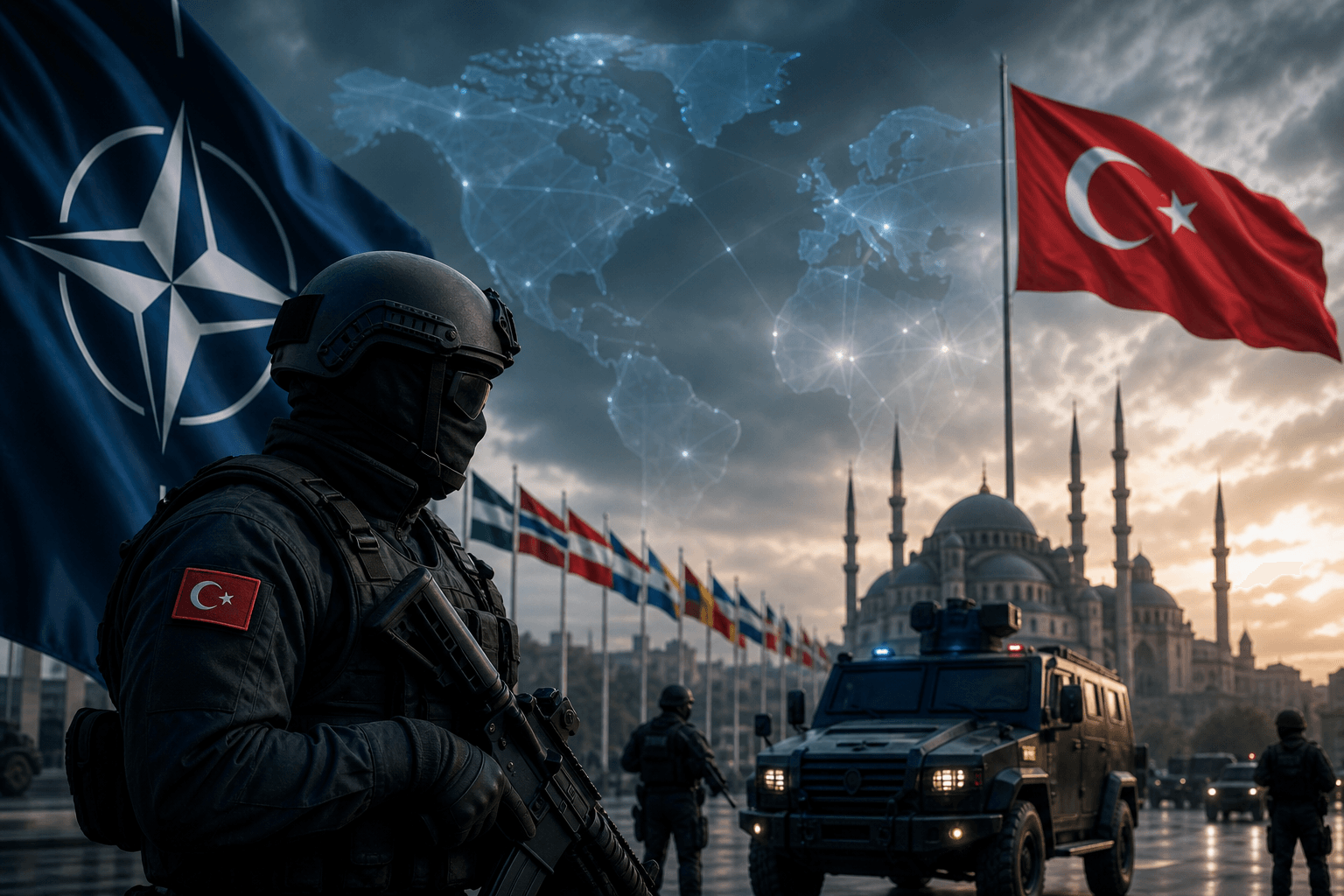
Turkey has deployed extensive security measures ahead of the July 7-8 NATO summit in Ankara, where leaders from all 32 member states, including U.S. President Donald Trump, are expected to gather amid questions over defense spending and Washington’s future role in the alliance. Authorities have placed air defenses on high alert, tightened access around airports, hotels and the presidential complex, and opened a new VIP airport converted from a former military airfield for visiting delegations. Demonstrations, concerts and graduation ceremonies have been banned during the summit, and nonessential public employees have been put on leave to ease congestion in the capital.
The summit is expected to focus heavily on alliance unity after Trump criticized European allies over the U.S.-led war on Iran and efforts to reopen the Strait of Hormuz. Analysts say Ankara’s role as host has added significance because of Trump’s uncertain posture toward NATO and his close relationship with President Recep Tayyip Erdogan. Erdogan has presented Turkey as a dependable ally on NATO’s southeastern flank and said the gathering could become a landmark moment for the alliance. Turkish officials and supportive analysts also argue that Turkey’s large military, strategic location and expanding defense industry give it rising influence as NATO adapts to the wars in Ukraine and the Middle East.
At the same time, Turkey’s position inside NATO remains complicated by a long record of acting independently from other allies. It has refused to join sanctions on Russia, purchased Russian missile defense systems that led to its removal from the F-35 program, and previously delayed Finland and Sweden’s membership bids while pressing for concessions. Some analysts say that independence has also allowed Ankara to serve as a mediator, including in Black Sea grain diplomacy between Ukraine and Russia. Others argue Turkey is now moving closer to the alliance, especially after NATO missile defenses intercepted missiles fired from Iran into Turkish territory and after Italy and Germany deployed air defense systems to assist Turkey before the summit.
The security crackdown surrounding the summit has drawn sharp criticism from opposition figures and rights advocates. Authorities said more than 200 detainees were suspected of ties to extremist organizations, including Islamic State, but critics contend the sweep has also ensnared activists, lawyers, academics and journalists. A Turkish court blocked access to websites critical of NATO and the summit, several opposition-leaning journalists were denied accreditation, and rights groups said the ban on protests reflected a broader erosion of freedom of expression and assembly. Human Rights Watch described the restrictions as evidence of intolerance toward dissent, while some critics said Western governments have largely muted public criticism of Turkey’s rights record as they prioritize security cooperation with a key NATO member.