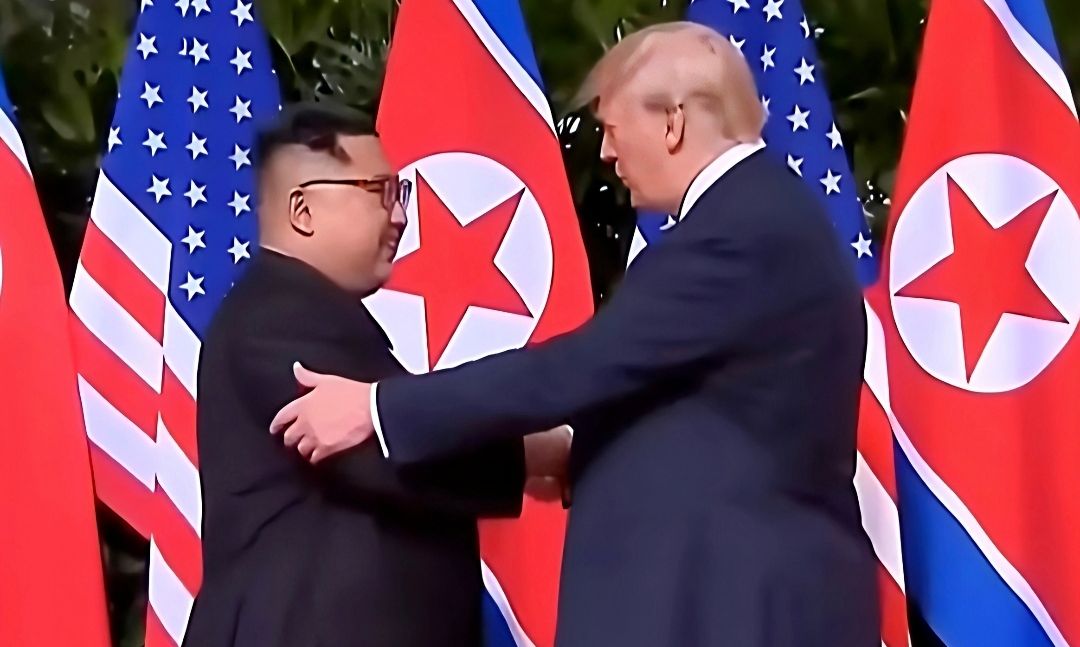
Move highlights shifting Pentagon resources, transactional alliance demands, and a push to revive direct talks with Pyongyang
By Kim Kih-sohp
WASHINGTON, D.C. — U.S. President Donald Trump has abruptly ordered a substantial reduction in American participation in the annual joint military exercises with South Korea, a decision unveiled just hours before the scheduled kickoff of the 11-day Ulchi Freedom Shield (UFS) maneuvers.
While President Trump publicly cited his rapport with North Korean leader Kim Jong Un and the high financial burden on Washington, strategic analysts point to a confluence of shifting U.S. military priorities in the Middle East, strained defense inventories, and an overtly transactional approach to bilateral alliances.
Strategic Overstretch and Munitions Strain
The decision comes as prolonged U.S. military commitments in the Middle East place immense strain on the Pentagon’s global force posture:
• Asset Redeployment: Key Indo-Pacific military assets—including the aircraft carrier USS George Washington—have been redirected toward the Middle East, fueling concerns across Seoul and Tokyo regarding the durability of Washington's regional deterrence.
• Inventory Pressures: Heavy operational tempo in the Iran theater has depleted critical stockpiles of precision-guided munitions—such as the Army Tactical Missile System (ATACMS) and Precision Strike Missiles (PrSM)—as well as interceptors for Patriot and Terminal High Altitude Area Defense (THAAD) batteries.
• Strategic Dilemma: While Trump maintains that the U.S. holds ample ammunition, defense strategists question Washington’s capacity to simultaneously maintain maximum readiness on two major strategic fronts.
Transactional Demands and the 'Iran Bill'
Trump explicitly tied the downsizing of the joint drills to Seoul’s refusal to commit forces or logistical aid to U.S. operations against Iran. Announcing the move on Truth Social, Trump noted that when asked to join efforts regarding Iran's denuclearization, South Korean President Lee Jae-myung’s administration responded with "No thanks!"
Security experts have cautioned against leveraging core alliance mechanisms over unrelated regional disputes. Patrick Cronin, Asia-Pacific Security Chair at the Hudson Institute, noted to the Wall Street Journal that the U.S. needs South Korea's partnership more than ever—particularly in fortifying defense deterrence and securing critical industrial supply chains like shipbuilding and semiconductors—and warned against penalizing Seoul over Middle East policy gaps.
Reviving Personal Diplomacy with Pyongyang
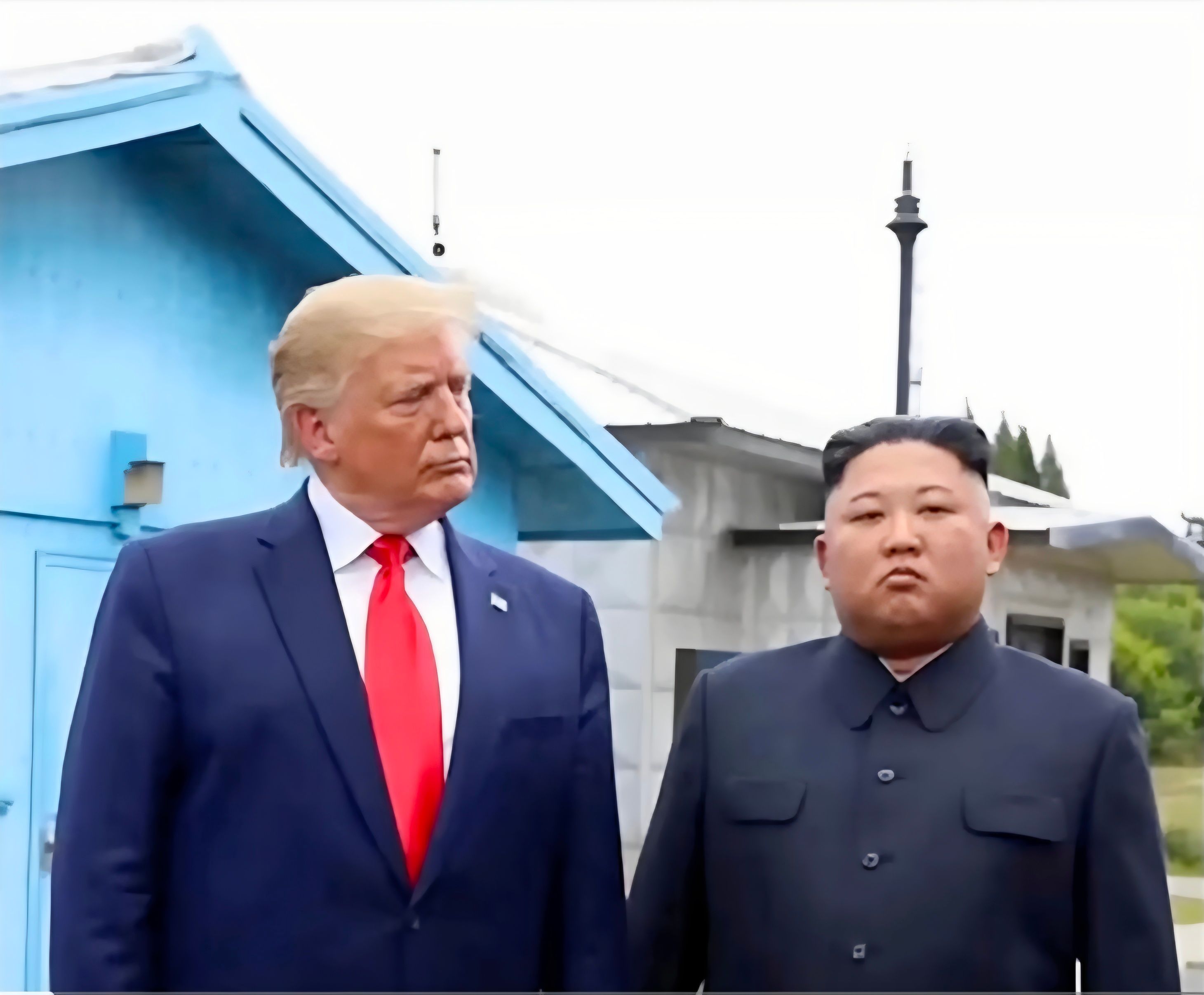
The move closely mirrors Trump’s 2018 post-Singapore summit playbook, when he unilaterally suspended major joint exercises, labeling them costly "war games." By portraying North Korea as respectful and non-threatening during his tenure, Trump appears intent on opening a diplomatic backchannel directly with Kim Jong Un.
However, the geopolitical landscape has grown far more perilous than in 2018:
• North Korea has significantly accelerated its ballistic missile testing and nuclear capabilities.
• Pyongyang has cemented a formal mutual defense pact with Moscow, deploying combat troops to aid Russia’s war in Ukraine and gaining valuable modern battlefield experience.
Growing Backlash
The abrupt pivot has triggered swift pushback in Washington. Democratic Senator and Gulf War veteran Mark Kelly condemned the scale-down as a "shortsighted mistake" that risks undermining readiness, while international observers warn that scaling back exercises sends mixed signals to allies across the Indo-Pacific at a critical security juncture.
TAP HERE for an English-Korean bilingual version. [영한대역으로 보려면 여기를 누르세요]