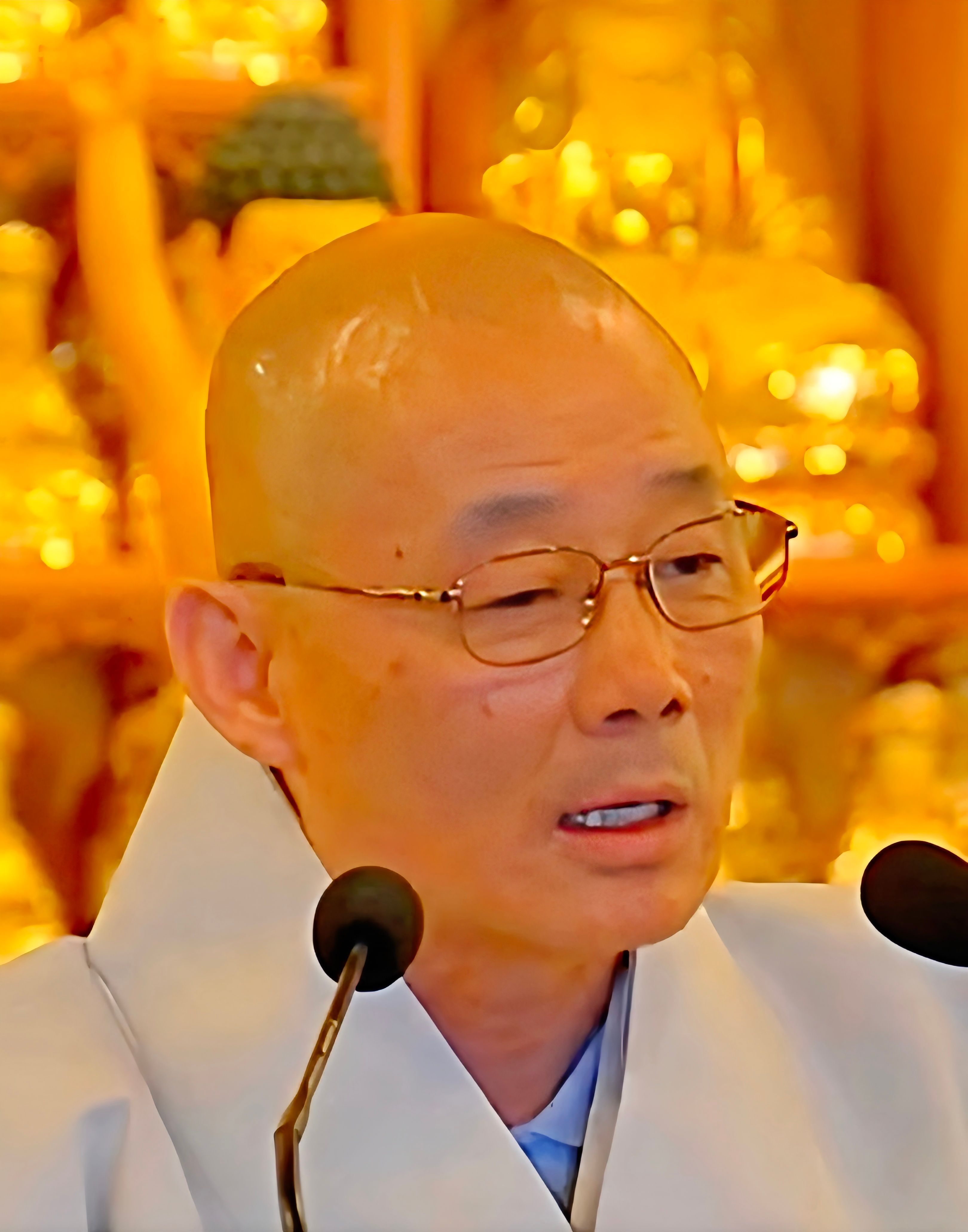
Click here to watch the official Nobel Peace Prize announcement video.
From apartheid-era courtrooms to the International Criminal Court, the pioneering South African jurist is recognized for cementing the rule of law as an indispensable weapon against war and impunity.
OSLO — Inside the chandelier-lit great hall of the Norwegian Nobel Institute, the hush that descended on Friday morning was heavier than usual. With armed conflicts multiplying across hemispheres and post-World War II international institutions straining under blatant disregard from powerful states, the question before the five-member Norwegian Nobel Committee was not merely who would be honored, but what fundamental premise of world order the committee would choose to defend.
The verdict arrived with historic clarity. Jørgen Watne Frydnes, Chair of the Norwegian Nobel Committee, stepped toward the microphones and announced that the 2026 Nobel Peace Prize has been awarded to South African jurist and former United Nations High Commissioner for Human Rights Navanethem “Navi” Pillay, “for her efforts to promote peace and international law.”
“At a time of existential challenges—including more wars and conflicts than the world has seen in a long time—international law is no longer just a supplement to peace and security,” Frydnes declared before an auditorium packed with international correspondents and diplomats. “It is an absolute necessity.”
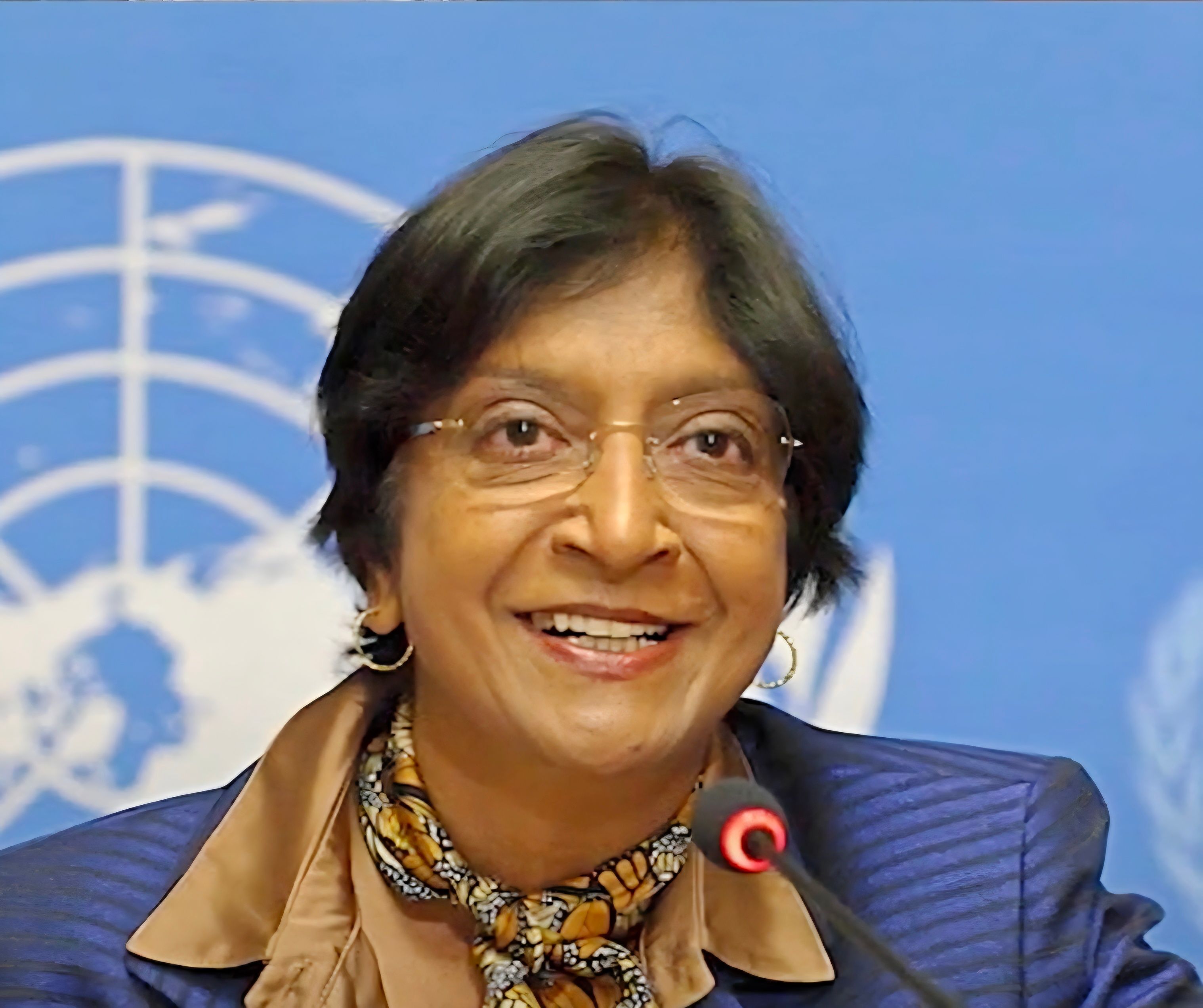
The decision firmly repositions the Nobel Peace Prize from an accolade of quiet reconciliation into a pointed mandate for international accountability. In choosing Pillay, 85, the committee has honored a figure whose career embodies the relentless conviction that lasting peace cannot survive where justice is bartered away for political convenience.
Born to a Tamil bus driver in Durban during the tightening grip of apartheid, Pillay’s trajectory has mirrored the modern evolution of human rights jurisprudence. Barred from white-dominated commercial law firms, she opened her own practice in Natal in 1967 as the first non-white woman attorney in the province. Over the ensuing decades, she routinely braved state surveillance and harassment to defend anti-apartheid activists, trade unionists, and political prisoners detained on Robben Island, including Nelson Mandela.
Following the collapse of apartheid and her appointment by Mandela to South Africa’s High Court, Pillay transitioned to the world stage. Her tenure as a judge on the International Criminal Tribunal for Rwanda (ICTR) proved revolutionary. In the landmark 1998 Jean-Paul Akayesu judgment, she and her colleagues codified rape and sexual violence as constituent acts of genocide and crimes against humanity under international law—shattering decades of institutional silence surrounding gendered atrocities in wartime.
She later served on the bench of the International Criminal Court in The Hague before taking the helm of the United Nations Office of the High Commissioner for Human Rights (OHCHR) from 2008 to 2014. In Geneva and across world capitals, Pillay earned a reputation as an unyielding inquisitor who refused to soften her findings to placate diplomatic sensitivities. Whether confronting permanent members of the UN Security Council over civilian casualties, investigating war crimes in Sri Lanka and Syria, or later steering the UN Independent International Commission of Inquiry on the Occupied Palestinian Territory and Israel, her position remained uncompromising: states, armies, and heads of state are bound by the very laws they ratify.
“Her commitment to universal legal principles and her firm moral compass are constants in a long career,” the Nobel Committee noted in its citation, underscoring that Pillay has consistently demonstrated how legal instruments and independent courts serve as essential guardrails to deter military aggression and state terror.
The announcement sent immediate ripples through diplomatic circles gathered here in Oslo. Observers noted that by honoring an architect of international criminal law during an era when treaties are routinely flouted with impunity, the committee delivered an unmistakable warning to global capitals. The award emphasizes that sovereignty does not confer immunity, and that the international legal framework established in the shadow of the twentieth century’s greatest catastrophes remains humankind’s primary defense against barbarism.
As autumn rain brushed the facade of the Nobel Institute, Frydnes concluded the morning’s address with a reminder that resonates far beyond Oslo’s borders: true peace requires justice, and justice demands institutions willing to hold power to account. In Navi Pillay, the Nobel Committee found a jurist who has spent a lifetime ensuring that those institutions cannot look away.
TAP HERE for an English-Korean bilingual version. [영한대역으로 보려면 여기를 누르세요]