WASHINGTON, D.C. — U.S. President Donald Trump is actively pressing his national security aides to arrange a high-stakes summit with North Korean leader Kim Jong Un as early as this autumn, aiming to resurrect his signature personal diplomacy with Pyongyang at a time when his administration faces mounting geopolitical headwinds and a protracted stalemate in the Middle East.
According to a Wall Street Journal report on Tuesday citing U.S. officials, the American president has engaged in private discussions regarding a direct, in-person encounter with Kim during his forthcoming diplomatic swing through Asia. The most prominent window currently under consideration is the Asia-Pacific Economic Cooperation (APEC) Leaders' Meeting scheduled for November in Shenzhen, China, although formal bilateral preparations have yet to officially commence between Washington and Pyongyang.
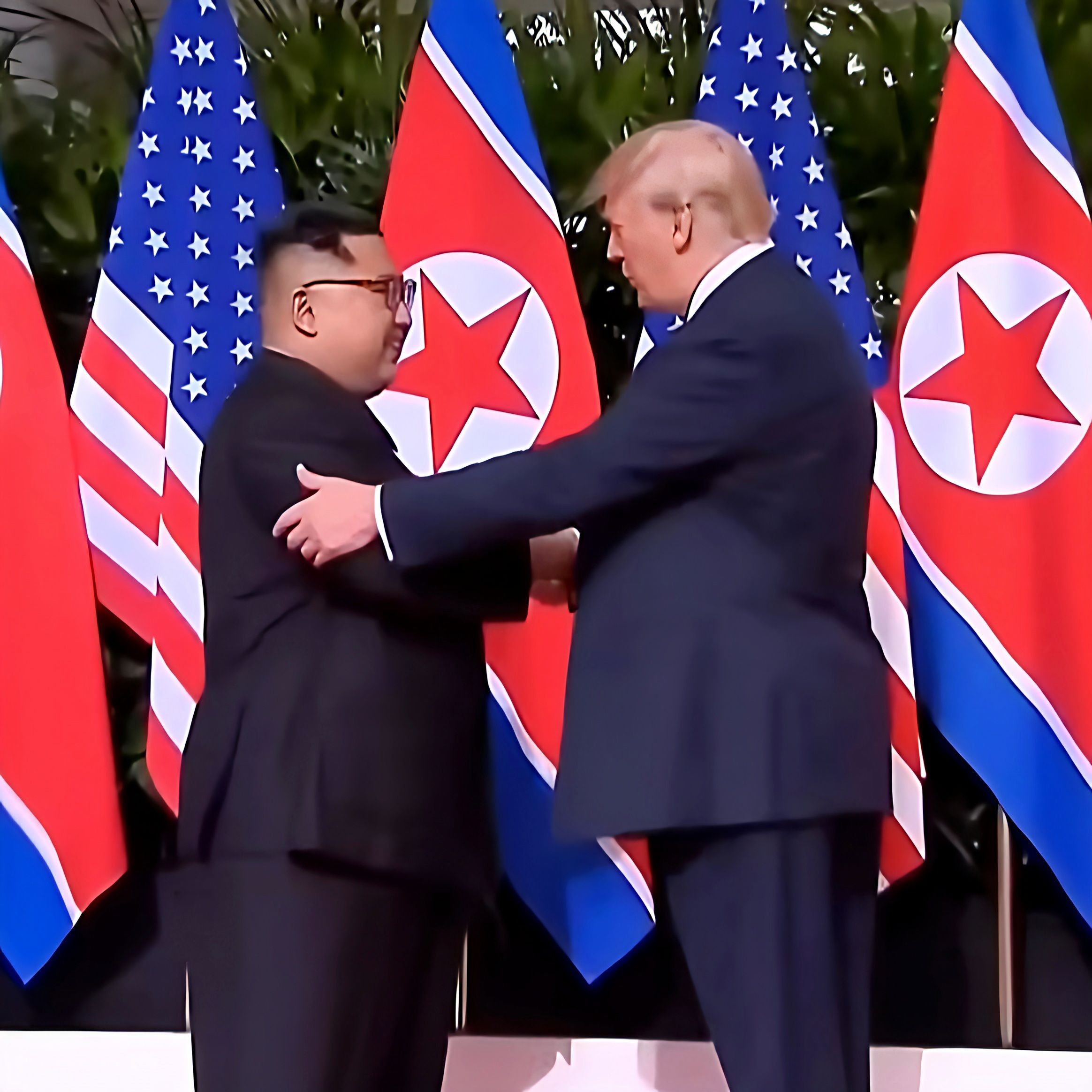
The renewed diplomatic push appears closely intertwined with Washington’s strategic dilemmas abroad, notably the grinding conflict involving Iran, where clear exit ramps and decisive diplomatic victories have remained elusive. President Trump, who has long viewed his unorthodox personal rapport with authoritarian leaders as a unique negotiating asset, is seeking a definitive, legacy-defining triumph on the global stage. Sources noted that Trump previously sought a rendezvous with the North Korean leader during his tour of Asia last year; while Pyongyang dispatched receptive signals through backchannel communications, that meeting ultimately fell through due to tight scheduling constraints.
Recent developments on the Korean Peninsula strongly suggest that the groundwork is already being quietly laid to entice Pyongyang back to the negotiating table. On Sunday, President Trump instructed the Pentagon to significantly scale back U.S. military participation in annual joint defense drills with South Korea. In publicly justifying the drawdown, Trump explicitly cited his "very good relationship" with Chairman Kim and disclosed that the North Korean leader had recently responded to his overtures for renewed dialogue.
"Trump has consistently made it clear that he wants to meet Kim Jong Un again," observed Victor Cha, Senior Vice President and Korea Chair at the Center for Strategic and International Studies (CSIS). Cha characterized the abrupt reduction in bilateral military exercises as a calculated, concrete gesture designed to signal Washington’s genuine appetite for direct presidential engagement.
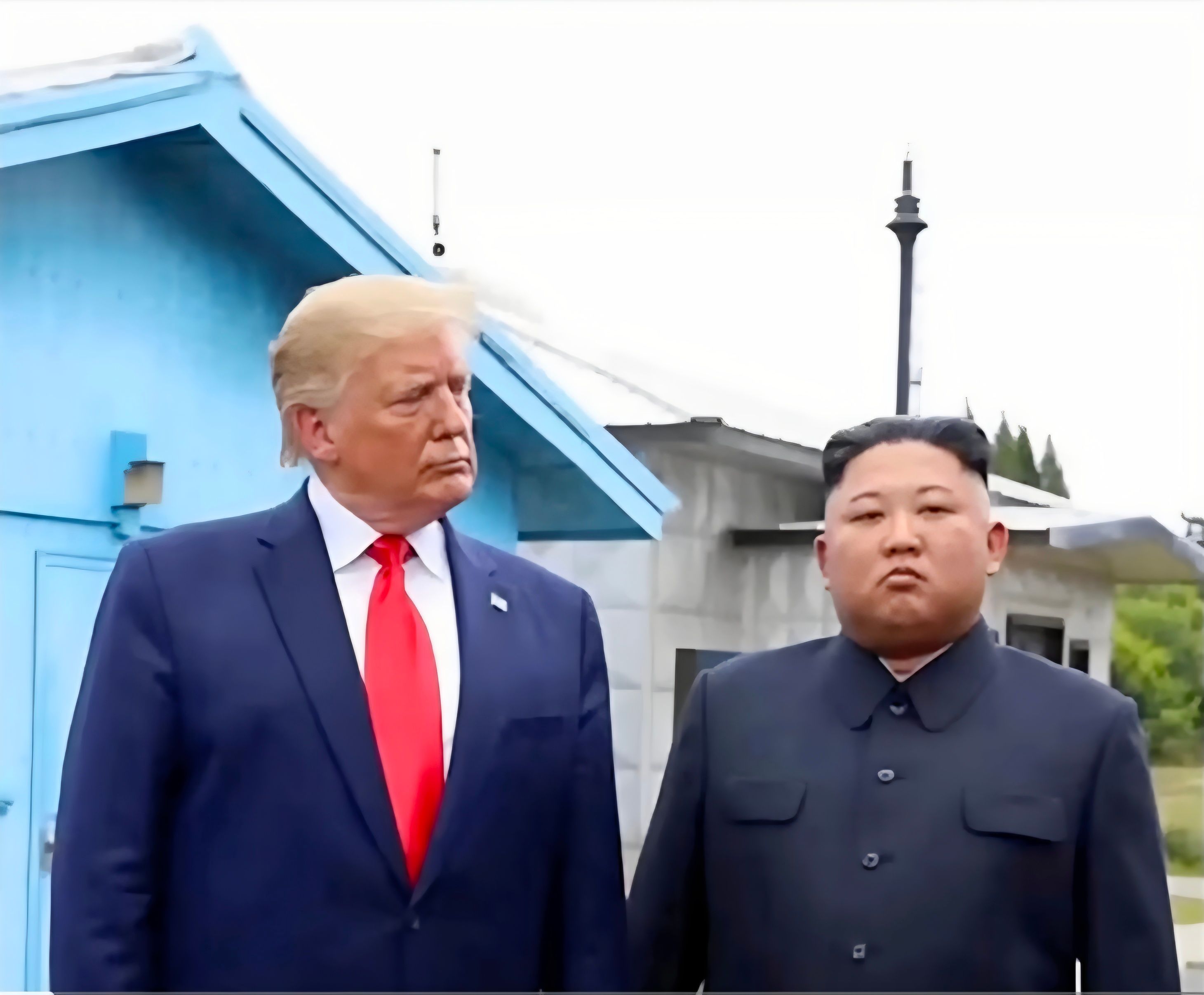
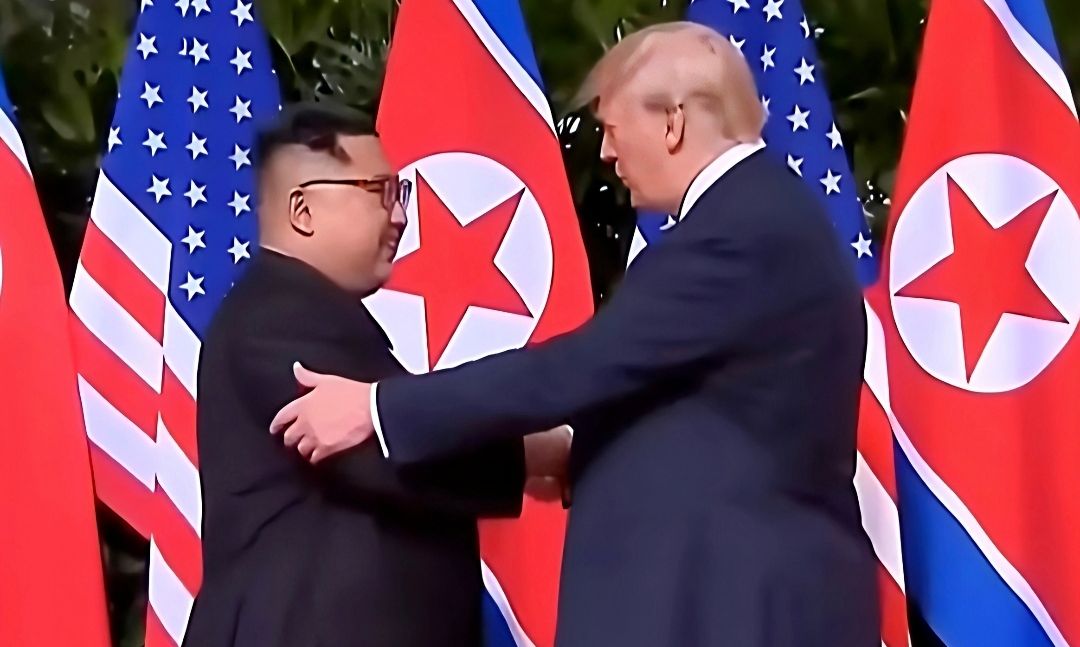
A potential reunion would mark a dramatic rekindling of the high-wire summitry that defined Trump’s first term in the White House. The two leaders met three times—first at the historic June 2018 summit in Singapore, followed by the abrupt collapse of talks in Hanoi in February 2019, and a brief, impromptu handshake at the Demilitarized Zone (DMZ) village of Panmunjom months later. However, working-level negotiations ultimately unraveled over irreconcilable differences regarding sanctions relief and the scope of dismantlement across North Korea’s primary nuclear facilities.
In the years following that diplomatic breakdown, Pyongyang has dramatically expanded, diversified, and modernized its strategic arsenal. Independent arms control analysts have traditionally estimated that the regime possesses an arsenal of approximately 60 assembled nuclear warheads, alongside enough stockpiled fissile material to manufacture up to 90 weapons. Yet Jeffrey Lewis, an expert at Stanford University's Center for International Security and Cooperation (CISAC), warned that even those figures likely understate the true scale and sophisticated capabilities of North Korea’s current nuclear infrastructure.
Moreover, Chairman Kim would enter any prospective negotiation from a position of significantly enhanced geopolitical leverage compared to 2018. North Korea has substantially consolidated its traditional alliance with Beijing while forging a sweeping mutual defense partnership with Moscow. In exchange for advanced military technology, food, and energy supplies, Pyongyang has deployed thousands of combat troops to bolster Russia's war effort in Ukraine. Concurrently, North Korea has deepened its clandestine ballistic missile and military cooperation with Tehran, embedding itself firmly within an emerging anti-Western alignment.
As the White House quietly explores diplomatic channels ahead of the November APEC summit, foreign policy observers emphasize that any new encounter will face a fundamentally transformed regional landscape. Washington will be forced to navigate an emboldened nuclear adversary possessing far greater international backing than when the two leaders first shook hands in Singapore.
TAP HERE for an English-Korean bilingual version. [영한대역으로 보려면 여기를 누르세요]