Expectations for a Federal Reserve interest-rate increase at its July 29 meeting rose sharply as markets reassessed inflation risks tied to higher oil prices and broader price pressures. CME's FedWatch tool put the probability of a 25-basis-point hike at 46.5%, up from 34% a day earlier, while traders on Kalshi priced the chances at 36%, up from under 20% on Sunday and under 10% earlier in the month. Even with those increases, both measures continued to indicate that markets still see no change in rates as the more likely outcome.
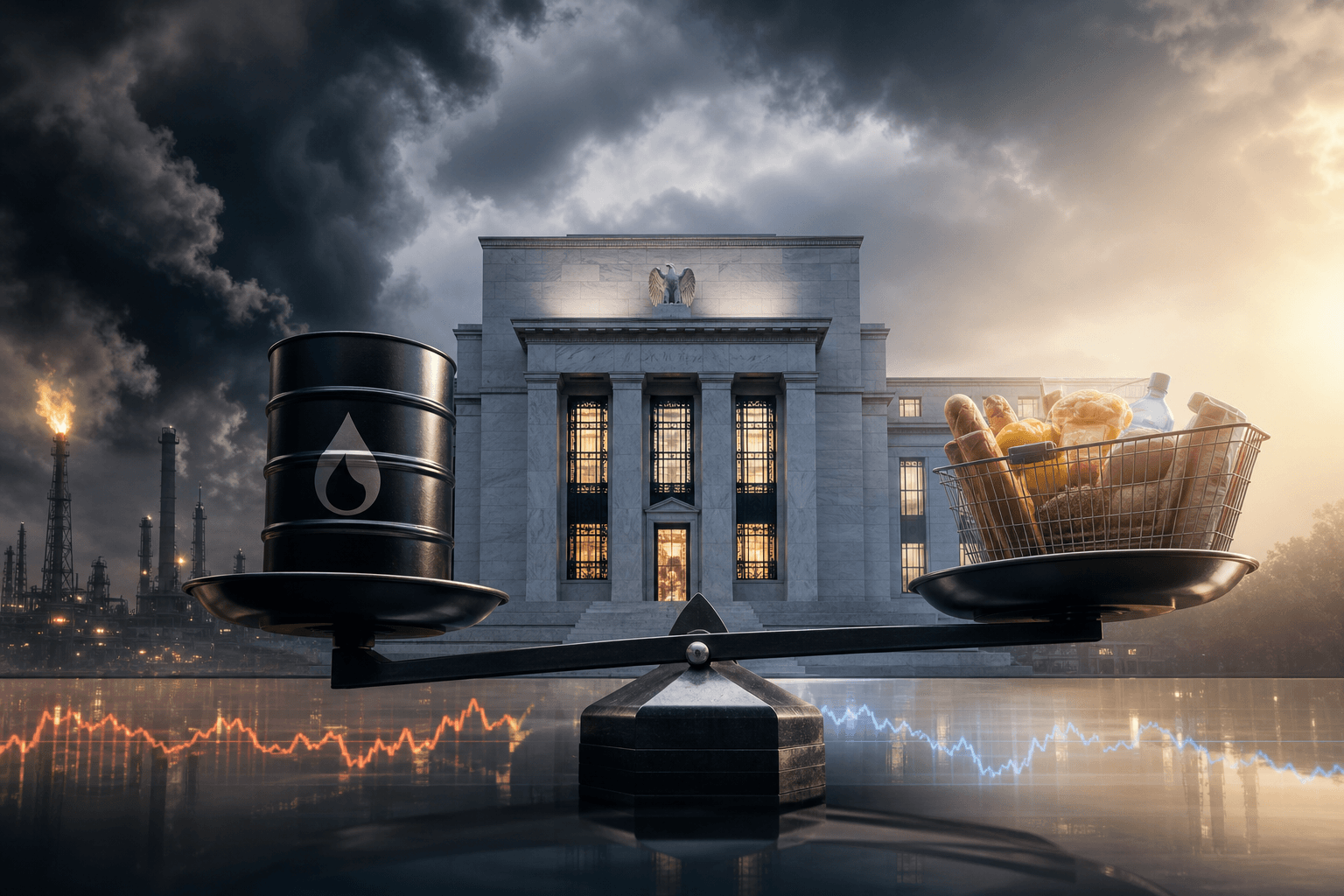
The shift followed a jump in U.S. oil prices after President Donald Trump announced the reinstatement of a U.S. blockade of Iranian ports near the Strait of Hormuz and a 20% toll on cargo moving through the waterway. Oil rose more than 5% and moved above $75 a barrel. Investors also focused on comments from Federal Reserve Governor Christopher Waller, who warned the central bank not to repeat what he described as the delayed response to inflation in 2021 and 2022, while also saying policymakers should avoid tightening too quickly.
The rate outlook remains mixed because signs of moderating inflation have not fully dispelled concerns about new price shocks. Economists surveyed by Dow Jones expected June consumer inflation to rise 3.8% from a year earlier, down from 4.2% in May, ahead of the latest Consumer Price Index report. Barclays global chairman of research Ajay Rajadhyaksha argued that inflation risks now extend beyond energy, saying the pass-through from the oil shock is not finished and that AI-related price pressures are worsening the outlook. He said that combination could push the Fed toward a more hawkish stance in coming months.
Broader Federal Reserve deliberations have reflected that uncertainty. Minutes from the central bank's June meeting showed policymakers left the benchmark federal funds rate unchanged at 3.5% to 3.75% while discussing scenarios that could justify either cuts or hikes depending on inflation's path. The minutes said most participants saw a route back toward the Fed's 2% target, which could support holding or eventually lowering rates, but also outlined scenarios in which inflation stays elevated because of AI-related demand, Middle East conflict or tariffs, conditions under which policy firming could be warranted. The same meeting's projections showed nine of 18 voting members expected at least one rate hike before the end of 2026.