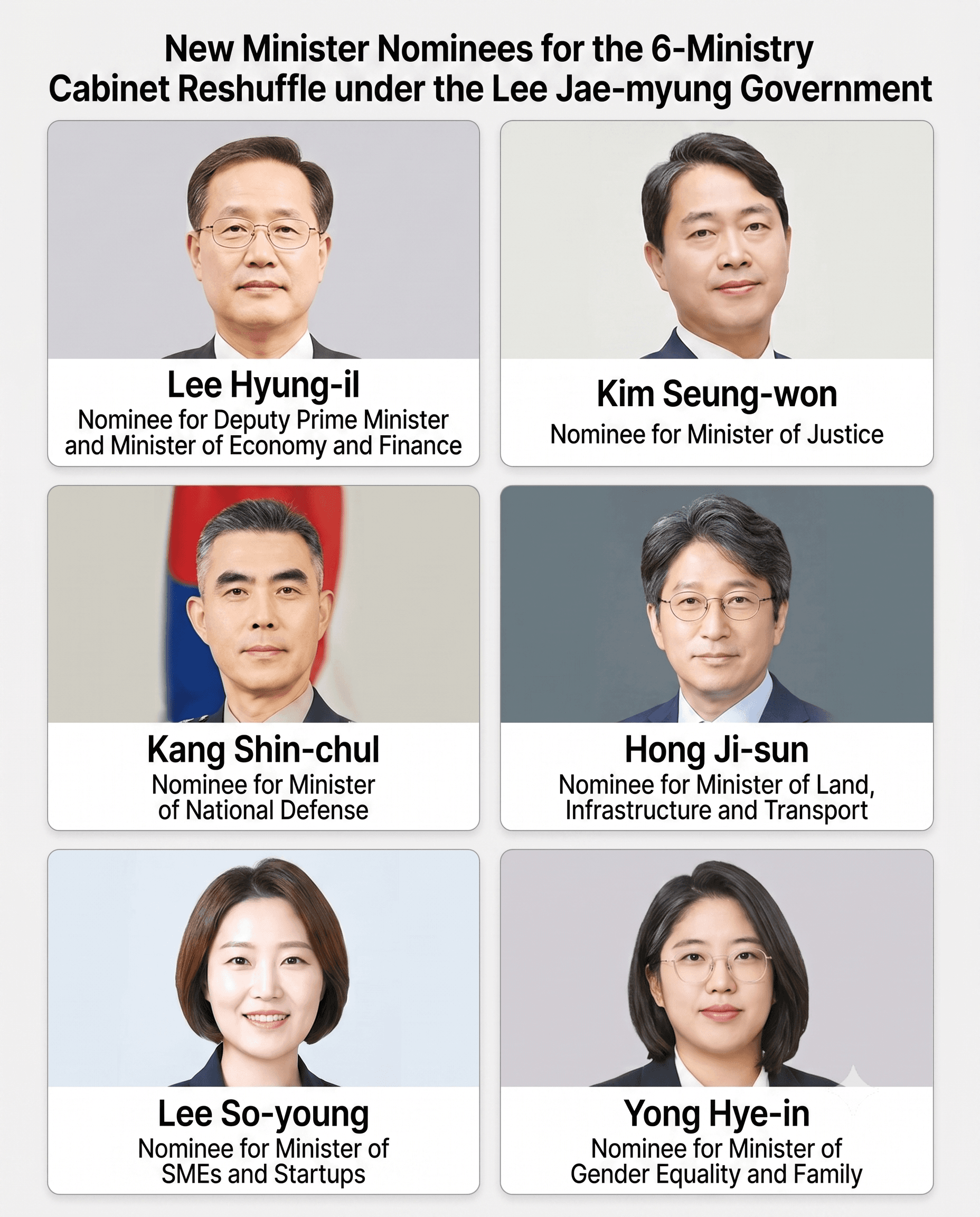
SEOUL — South Korea’s political landscape is witnessing a paradoxical drama as the ruling progressive bloc stumbles and the conservative opposition scrambles for survival by summoning its past. According to the latest Realmeter survey, President Lee Jae-myung’s approval rating has plunged to 38.9%, marking a steep seven-week decline and breaching the critical 40% psychological threshold for the first time since taking office. Surging housing costs, controversies surrounding judicial appointments, and deep public distrust following a high-profile missing persons case in Jeju have all fueled severe public disillusionment with the administration. In a bid to stem the bleeding, the presidential office recently executed a cabinet reshuffle, but the embattled ruling coalition remains visibly on the defensive amid persistent economic headwinds.
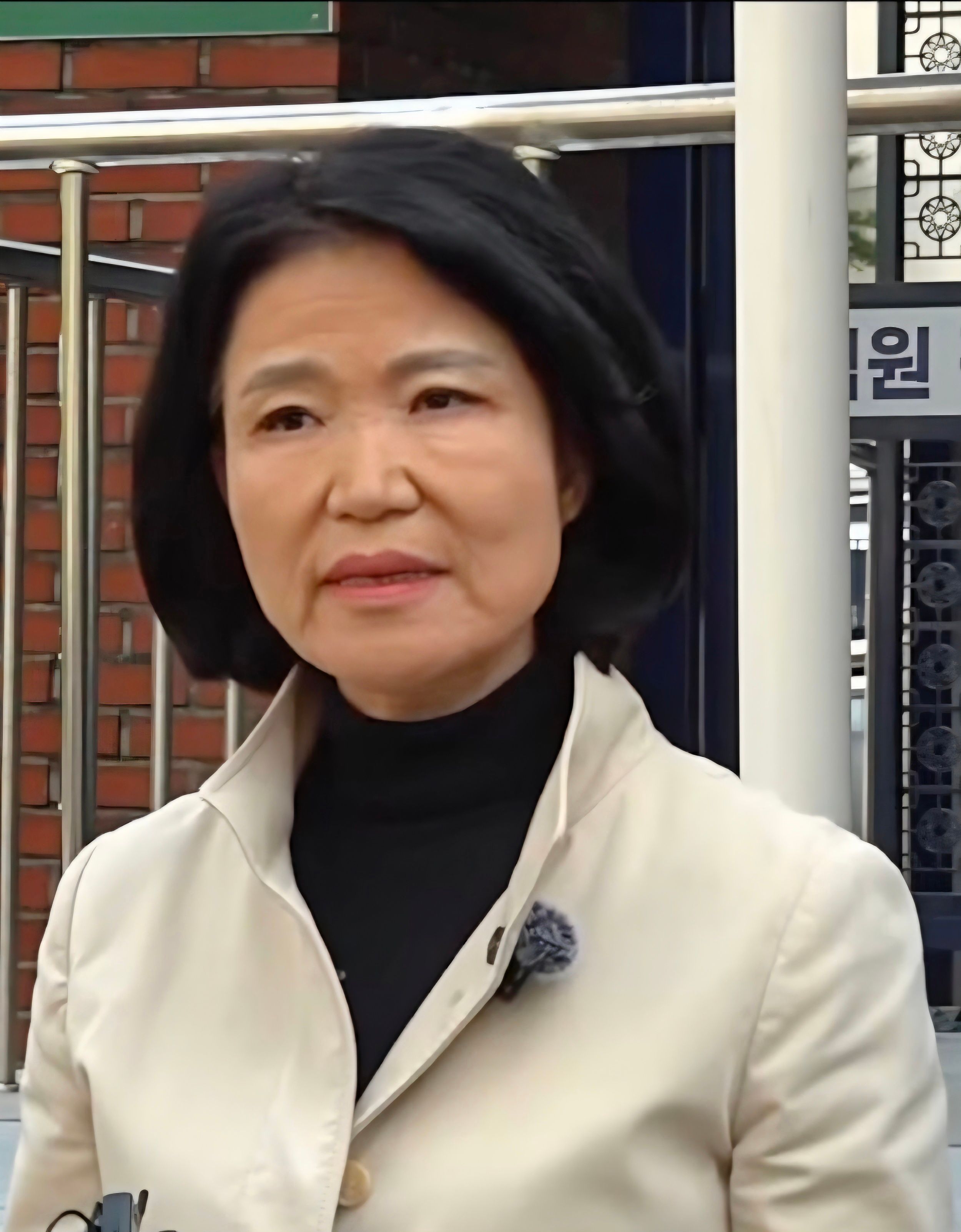
By all standard political metrics, the ruling party's vulnerability should present a golden opportunity for the conservative People Power Party (PPP) to reclaim lost ground. Yet, trapped by its own acute numerical minority and paralyzed by persistent factional infighting, the PPP has looked backward rather than forward for a strategic compass. Within just a few days, PPP floor leader Jeong Jeom-sik made high-profile pilgrimages to two former conservative presidents whose tenures concluded in historic disgrace: Park Geun-hye and Lee Myung-bak. These back-to-back encounters have reignited a fierce national debate over whether the right is orchestrating a masterstroke of base consolidation or executing a desperate, regressive retreat.
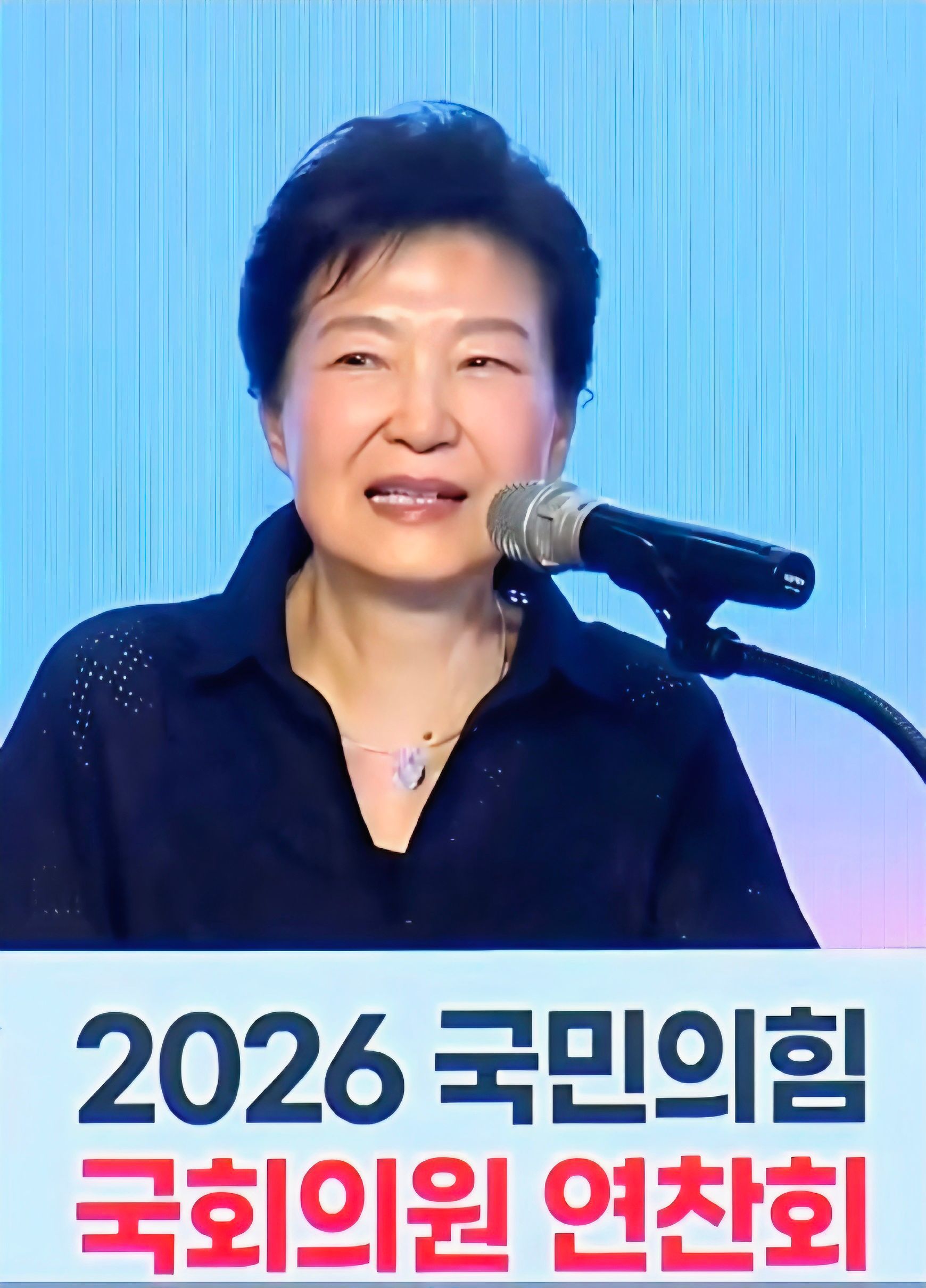
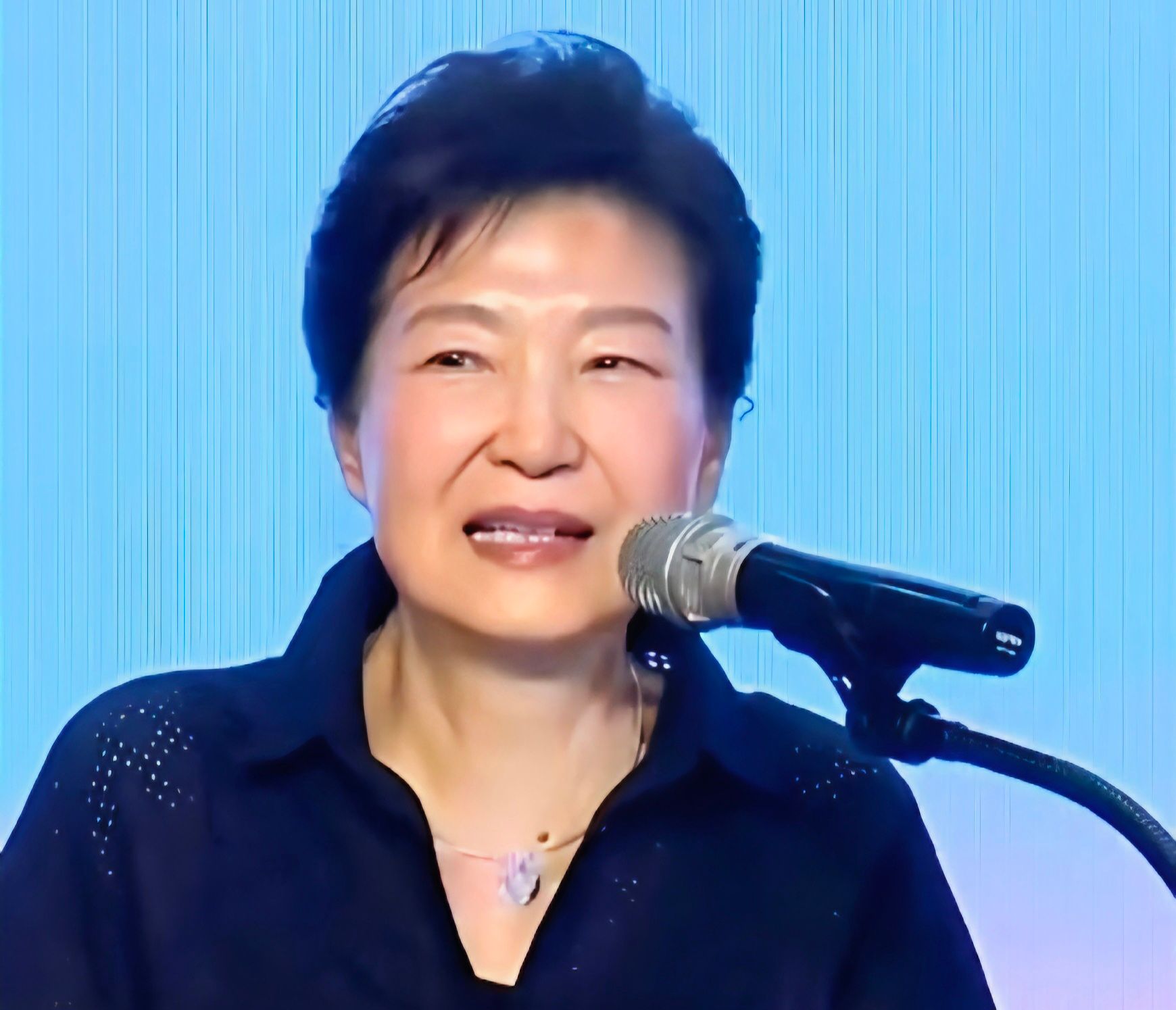
However, the counsel delivered by the two former leaders revealed a striking divergence in tactical philosophy, exposing the underlying strategic dilemma that continues to plague the opposition. Park’s message carried exceptional political weight on August 27, when she took the rare step of attending the PPP lawmakers' annual retreat in person to address the party directly from the podium. Warning that "no outside enemy is more dangerous than internal division," Park offered a doctrine of bunker-like discipline and urged lawmakers to close ranks unconditionally behind the current leadership. Her stance reinforces an inward-looking fortress mentality designed to lock down hardline supporters against the ruling bloc's legislative pressure, prioritizing internal stability over moderate expansion.
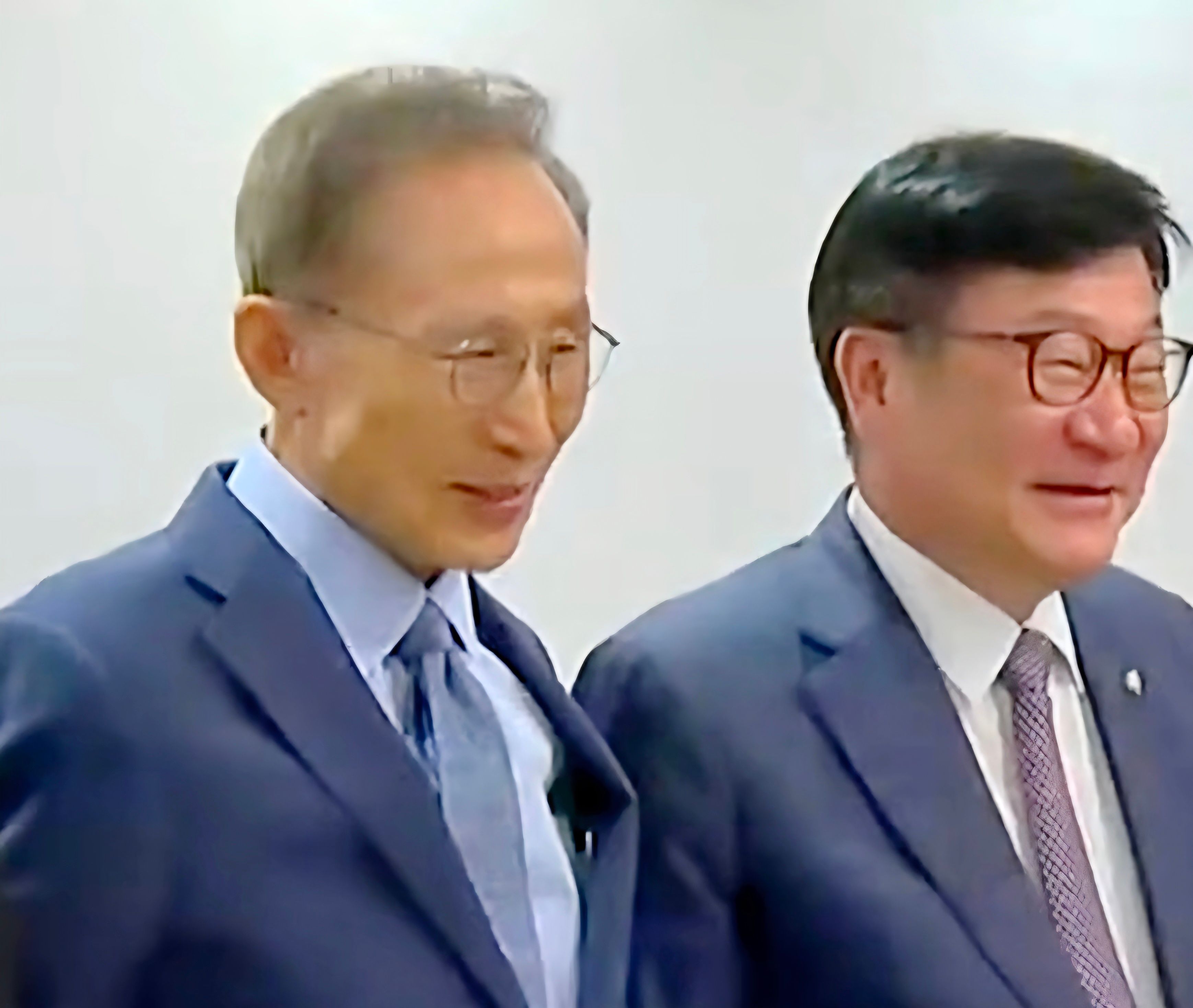
In stark contrast, Lee Myung-bak offered an outward-facing, intensely pragmatic assessment grounded in the reality of public perception during his August 31 meeting with the party floor leadership. "The numbers are simply impossible right now," Lee noted bluntly, reminding lawmakers that reflexive obstruction inside the National Assembly is futile without broader public buy-in. Lee urged the opposition to "fight on the shoulders of the public" so that ordinary citizens recognize the legitimacy of the conservative cause over the ruling government's contentious policies. He also took direct aim at the latest cabinet reshuffle, calling it "deeply disappointing" and singling out the nomination of Kim Seung-won as justice minister as a transparent political maneuver that the minority must fiercely resist.
The ruling Democratic Party immediately pounced on the opposition's maneuvers, blasting the visits as "a bizarre historical regression" aimed at resurrecting convicted former heads of state. While the PPP dismissed such critiques as political posturing, the core strategic question remains unresolved. The administration's slide into the 30% range creates a genuine vacuum, yet voters disillusioned with the ruling camp will not automatically turn to an opposition that wraps itself in the discredited symbols of the past. To translate the government’s vulnerability into a true political resurgence ahead of the 2028 elections, the PPP must move beyond the safety of nostalgic base consolidation and demonstrate the policy credibility that MB rightly called for.
TAP HERE for an English-Korean bilingual version. [영한대역으로 보려면 여기를 누르세요]