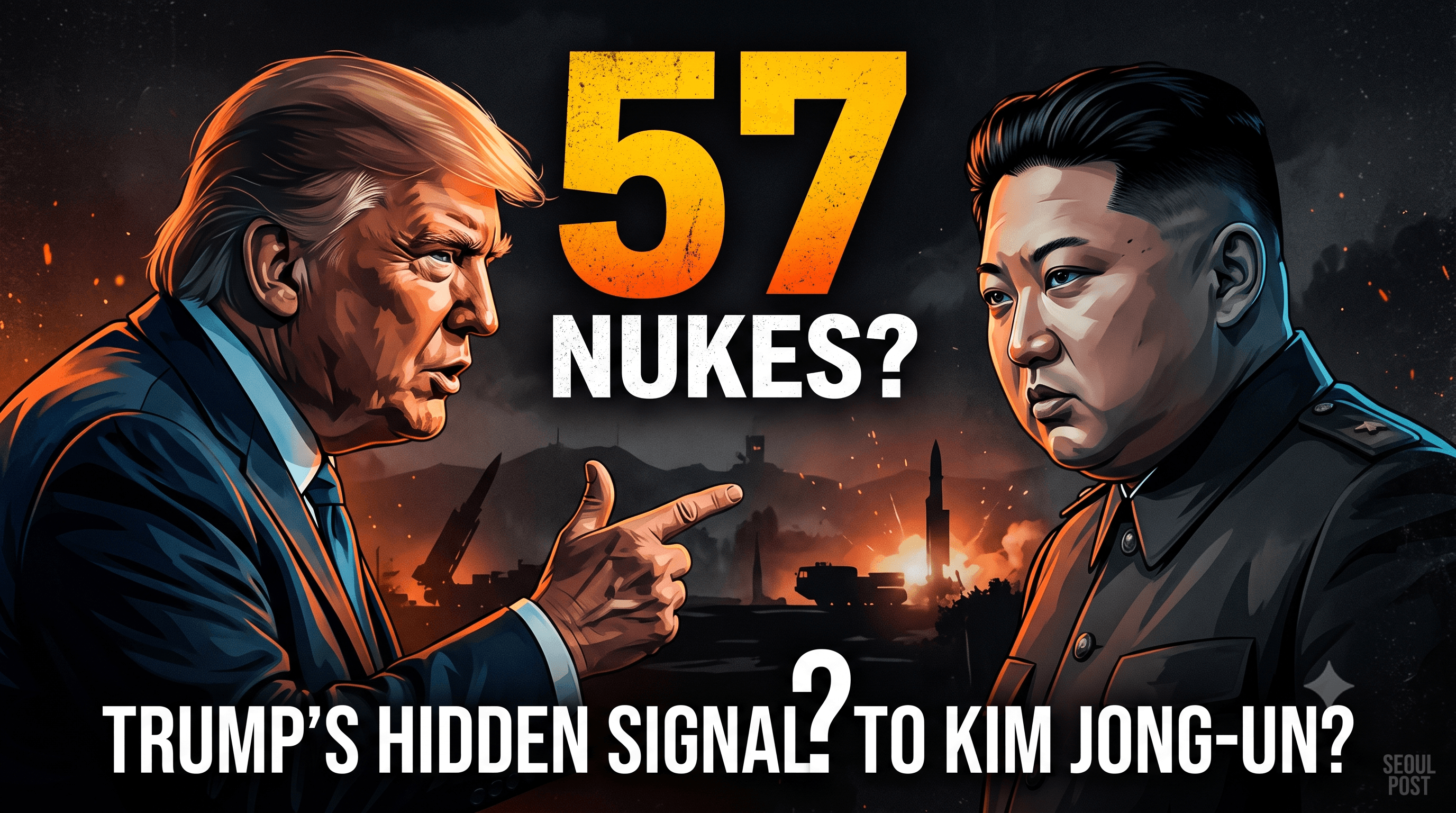
SEOUL — In the unpredictable theater of global diplomacy, U.S. President Donald Trump has always favored the dramatic over the conventional. Recently, a highly specific number slipped from his lips regarding North Korea’s secretive nuclear arsenal: fifty-seven. To the untrained ear of the general public, it might have sounded like just another off-the-cuff remark, a characteristic exaggeration, or a momentary lapse in classified operational security. However, in the high-stakes world of geopolitical maneuvering, this precise figure is far from a mere slip of the tongue. It is a calculated diplomatic probe, a covert signal directed straight at Pyongyang, and a subtle declaration of a profound, shifting paradigm in Washington’s approach to the Korean Peninsula.
For decades, the absolute bedrock of the United States' policy toward North Korea has been the unwavering demand for Complete, Verifiable, and Irreversible Denuclearization (CVID). American diplomats and presidents alike have steadfastly refused to officially recognize North Korea as a nuclear-armed state, fearing that doing so would instantly unravel the global non-proliferation regime and trigger a disastrous nuclear arms race across East Asia. Yet, by publicly attaching a concrete number to Kim Jong-un’s nuclear stockpile, Trump effectively bypassed this traditional diplomatic taboo. He is no longer talking about a rogue nation that might have the bomb, or a nation that must categorically surrender its weapons before even sitting at the negotiating table. By actively counting the warheads, he is acknowledging their physical existence. He is, in essence, treating North Korea as a de facto nuclear power.
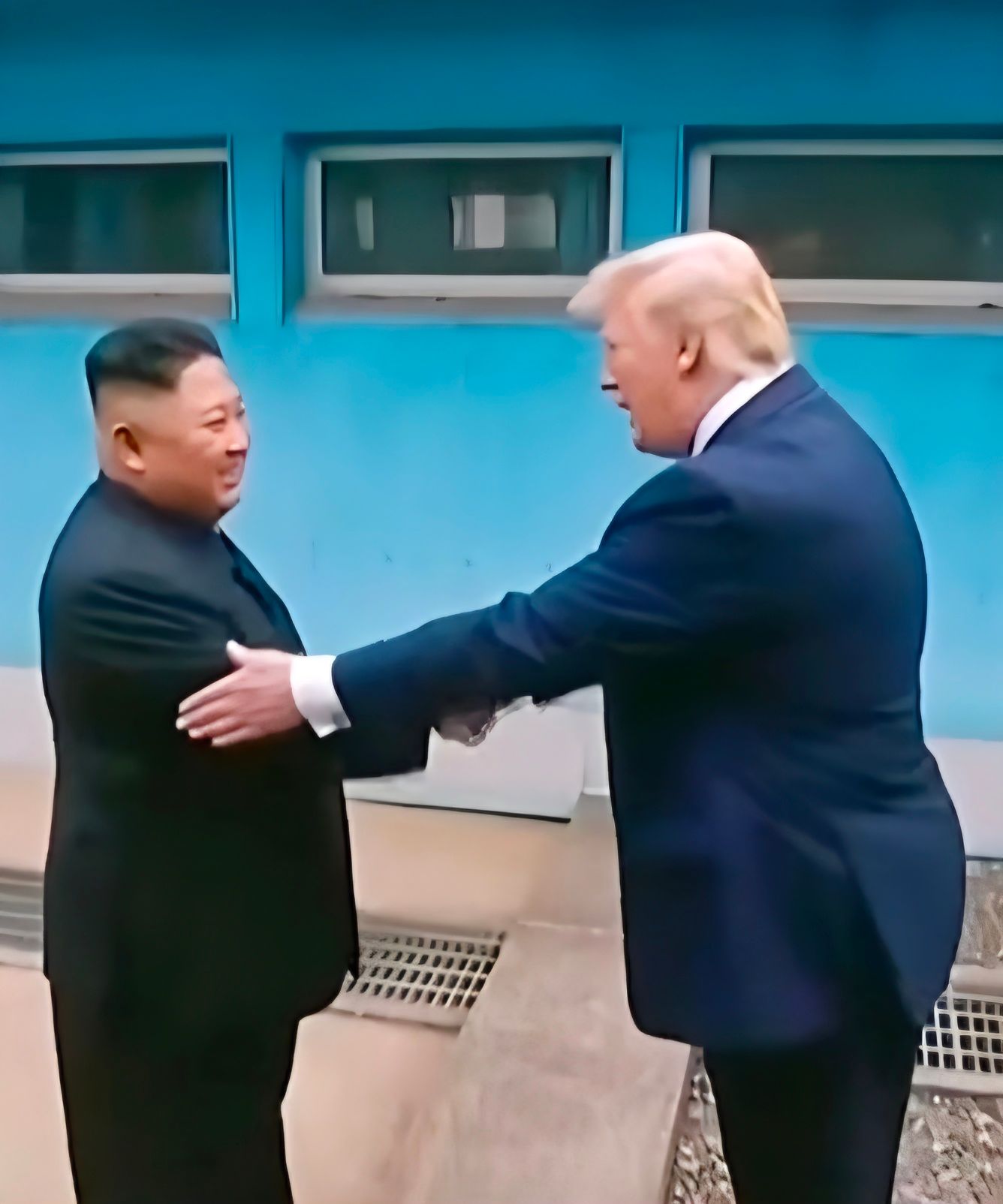
What exactly is the hidden agenda behind this sudden quantitative specificity? First and foremost, it serves as an undeniable, heavily coded olive branch to Kim Jong-un. During their historic, albeit tumultuous, summits in Singapore and Hanoi, the two leaders established a unique top-down diplomatic relationship—one that Trump clearly wishes to revive from the Oval Office. By citing "57 nukes," Trump is quietly signaling to the North Korean leader that he is willing to deal with the harsh reality as it stands today, rather than clinging to the idealistic and increasingly improbable goal of absolute disarmament. This calculated rhetoric paves the way for a highly transactional negotiation: an arms control agreement, a mutual freeze on nuclear development, or a significant reduction of military tensions in exchange for economic sanctions relief, rather than holding out endlessly for total denuclearization.
Furthermore, this numerical drop functions as a brilliant strategic pivot designed to divert both domestic and international attention from other pressing foreign policy quagmires. With escalating conflicts brewing in the Middle East, particularly involving Iran, and the protracted, exhausting war in Eastern Europe, Trump may be looking to position himself as the ultimate global dealmaker capable of defusing the most volatile flashpoint in Asia. By floating the magic number 57, he forces the mainstream media and political analysts to debate the intricate specifics of his North Korea strategy, rather than focusing entirely on defensive postures elsewhere. It is a classic Trumpian tactic: entirely controlling the global narrative by tossing a spectacular, controversial grenade into the public discourse.
However, this strategic pivot sends immediate shockwaves through Seoul. For South Korea, the impending prospect of the United States negotiating a mere arms reduction treaty with a fully nuclear-armed North Korea is nothing short of a strategic nightmare scenario. It raises the terrifying specter of "decoupling," a situation where Washington might accept a permanent freeze on Pyongyang’s intercontinental ballistic missiles (ICBMs) that directly threaten the American homeland, while conveniently turning a blind eye to the growing arsenal of short-range tactical nuclear weapons pointed directly at Seoul. This reality is already forcing policymakers in Seoul to urgently recalculate their own national survival strategies, reigniting the once-taboo domestic debate over independent, indigenous nuclear armament.
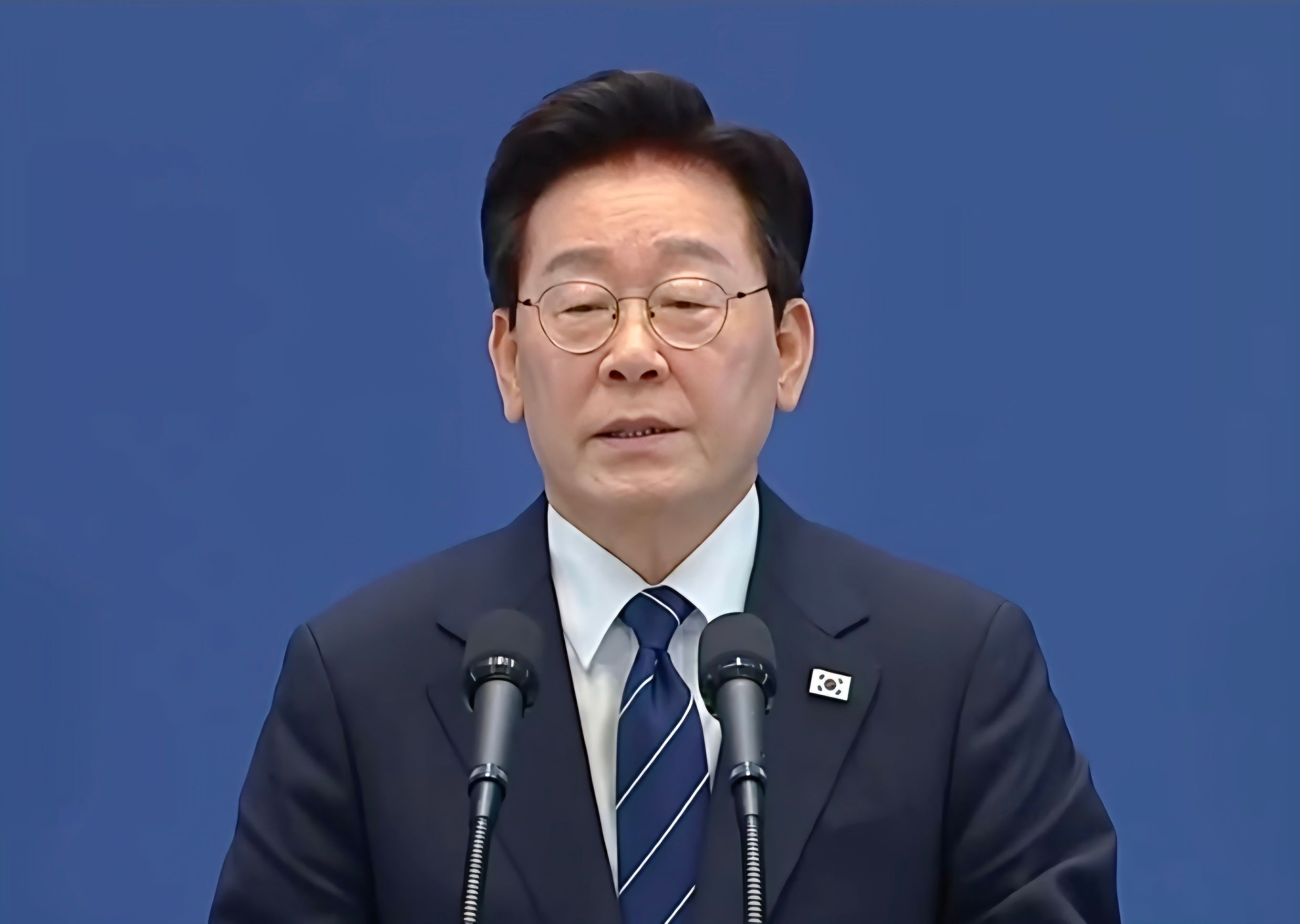
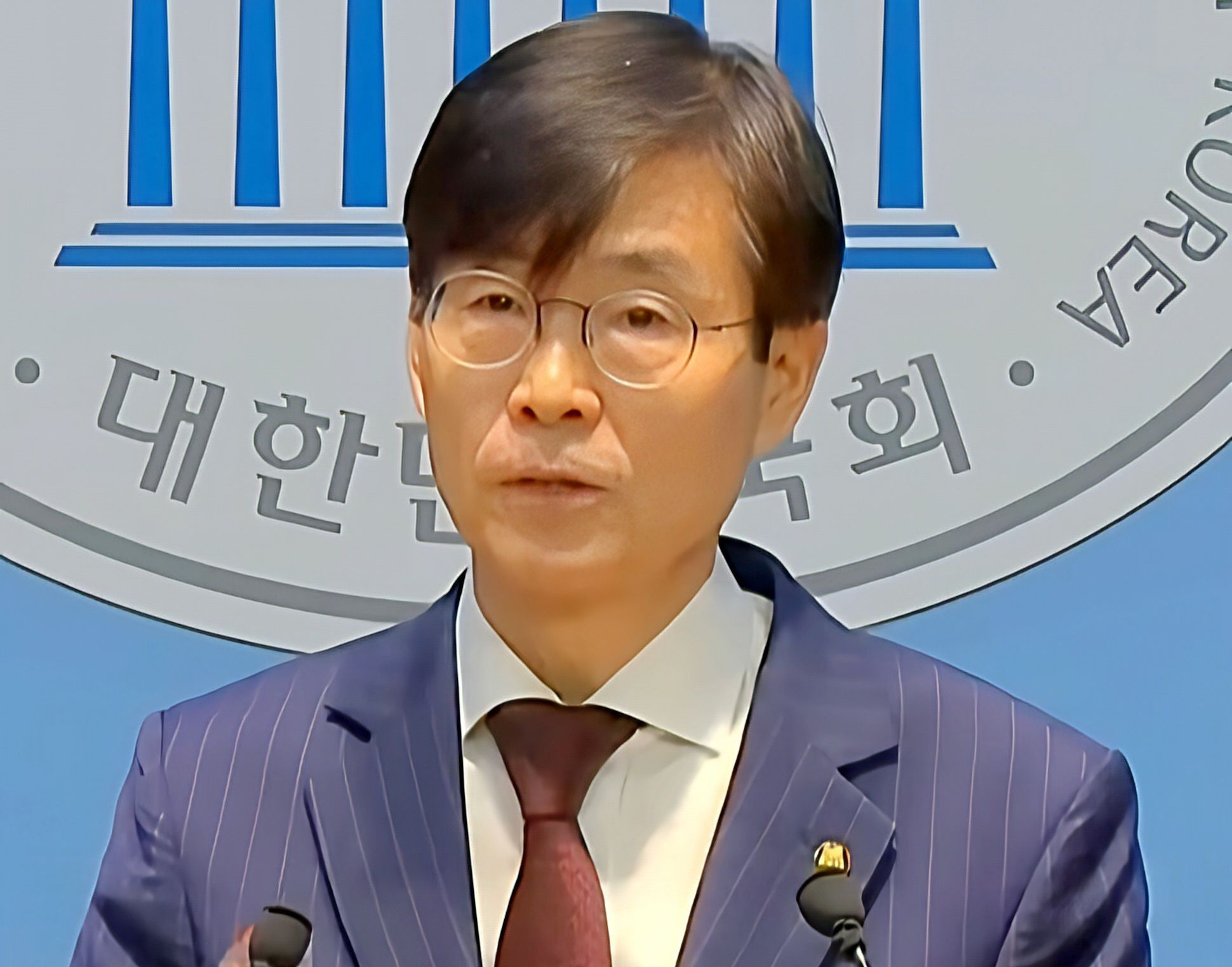
The diplomatic fallout from this shifting dynamic is already erupting in real-time. Capitalizing on Trump's recent directive to scale back joint U.S.-South Korea military exercises, Kim Yo-jong, the powerful sister of the North Korean leader, issued a scathing statement mocking Seoul's "pitiful situation" of being forced to abandon its favorite "war games." She directed her vitriol specifically at President Lee, deriding his "double-dealing behavior" for praising Trump's "big decision" while simultaneously pursuing independent national defense capabilities.
In swift response, the Blue House formally urged Pyongyang to "stop unnecessary slander and step forward for peaceful coexistence." Cheong Wa Dae officials made it unequivocally clear that disparaging the South Korean government and its president does nothing to foster mutual trust. Yet, despite this rhetorical crossfire, the presidential office reaffirmed its commitment to a peace policy grounded in mutual respect, vowing to maintain airtight U.S.-South Korea coordination and aggressively act as a diplomatic "pacemaker" to reignite stalled dialogue between Washington and Pyongyang.
Ultimately, the number 57 is much more than an arbitrary intelligence estimate or a random piece of statistical trivia. It is a carefully deployed diplomatic instrument. It reveals a deeply transactional approach that prioritizes manageable, highly publicized deals over absolute, ideological victories. As the global political landscape prepares to shift once again, Trump’s covert signal has been clearly sent across the Pacific. The critical question now is exactly how Kim Jong-un will respond to this numerical overture, and whether Seoul is adequately prepared for the profound diplomatic earthquake that is inevitably sure to follow.
TAP HERE for an English-Korean bilingual version. [영한대역으로 보려면 여기를 누르세요]