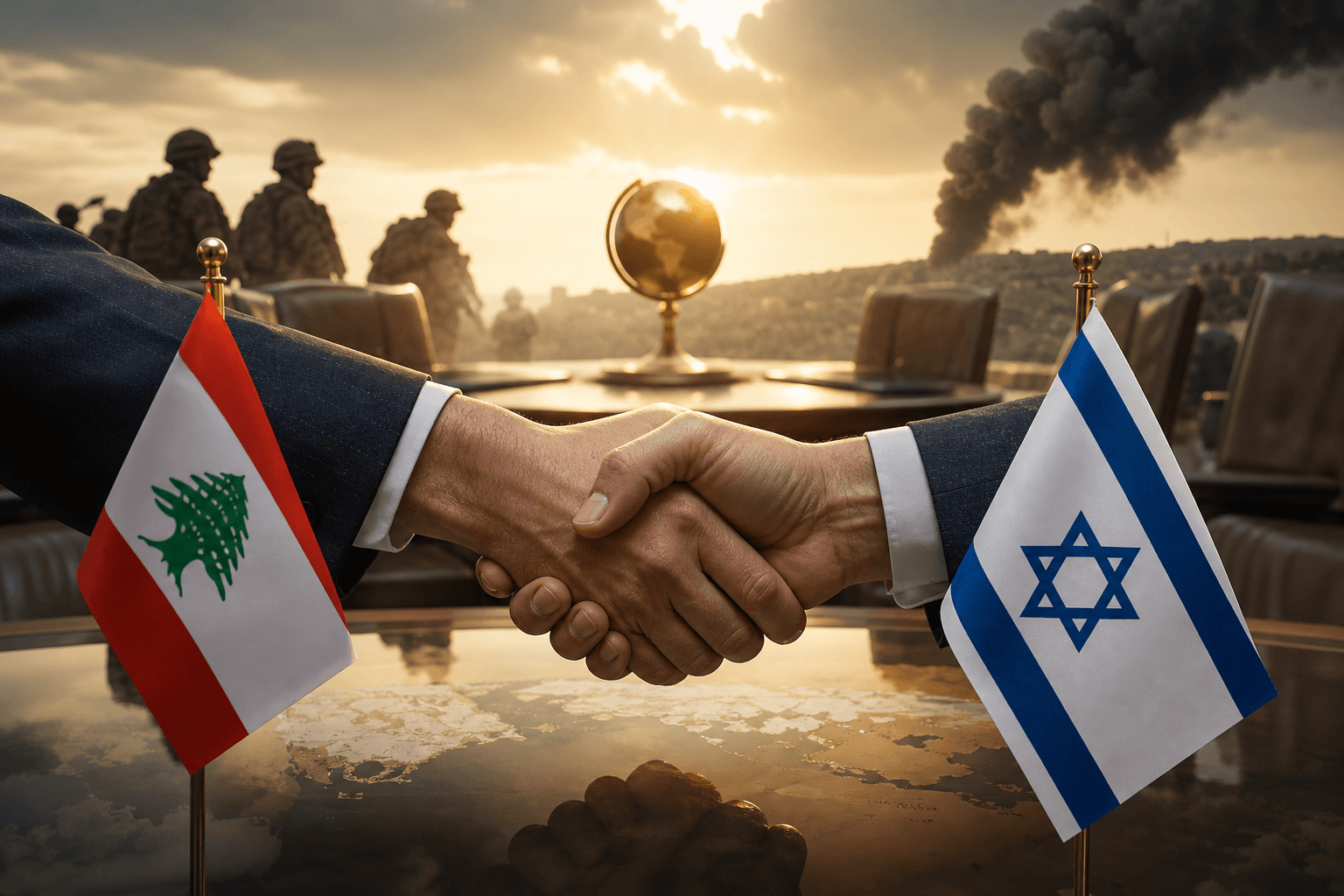
Lebanese President Joseph Aoun said Lebanon will continue direct negotiations with Israel, framing the talks as an affirmation of Lebanese sovereignty and a possible path to securing the country’s rights. Lebanon and Israel, which do not have formal relations, have already held several rounds of U.S.-backed talks and are due to continue discussions in Rome next week. Under an interim arrangement, Israel is supposed to withdraw from two areas in southern Lebanon described as pilot zones and hand them over to the Lebanese army, with a withdrawal from one area expected in the coming days.
The negotiations are taking place alongside unresolved military and security issues on the ground. Israel is expected to continue holding a buffer zone in southern Lebanon intended to keep Hezbollah away from the border. Israeli Prime Minister Benjamin Netanyahu has said Israeli forces will remain in Lebanon as long as necessary to guarantee security for communities in northern Israel. Lebanon has also pressed Israel to fulfill its withdrawal commitments from the pilot zones before the next round of talks, underscoring the fragility of the process even as both sides prepare for further discussions.
Aoun rejected criticism of holding direct talks with Israel, saying such objections did not merit a response because the two sides have negotiated at various points throughout their history. He said the negotiations are complex but have a chance of succeeding. Aoun also accused opponents of the talks of seeking to turn Lebanon into a tool of Iran. Proponents of the framework argue that the process could move the conflict from armed confrontation toward a more durable security arrangement, while giving the Lebanese state an opportunity to reassert authority in the south through deployment of the Lebanese Armed Forces.
Critics, however, say the framework has sharpened internal Lebanese divisions. Hezbollah opposes the talks and has rejected the broader push tied to its disarmament, with some of its allies warning that attempts to enforce such terms could provoke severe political confrontation or even civil strife. Critics also question whether the arrangement can be implemented at all, citing the lack of a clear schedule for Israeli withdrawal, uncertainty over enforcement, and doubts about whether the Lebanese army can prevent Hezbollah from reestablishing influence in areas vacated by Israeli forces. Those competing pressures leave the next Rome meeting as both a diplomatic opening and a test of whether the current framework can move beyond declarations into execution.