The United States launched new airstrikes against Iran early Thursday, hours after President Donald Trump said the ceasefire was effectively over following Iranian attacks on ships in the Strait of Hormuz. Iran responded with strikes targeting U.S.-allied Kuwait and Qatar, while also accusing Washington of carrying out attacks near its only nuclear power plant. The renewed exchange followed earlier U.S. strikes on more than 80 Iranian targets and Iranian retaliation against Gulf-based sites, deepening uncertainty over whether the interim agreement signed in mid-June can still hold.
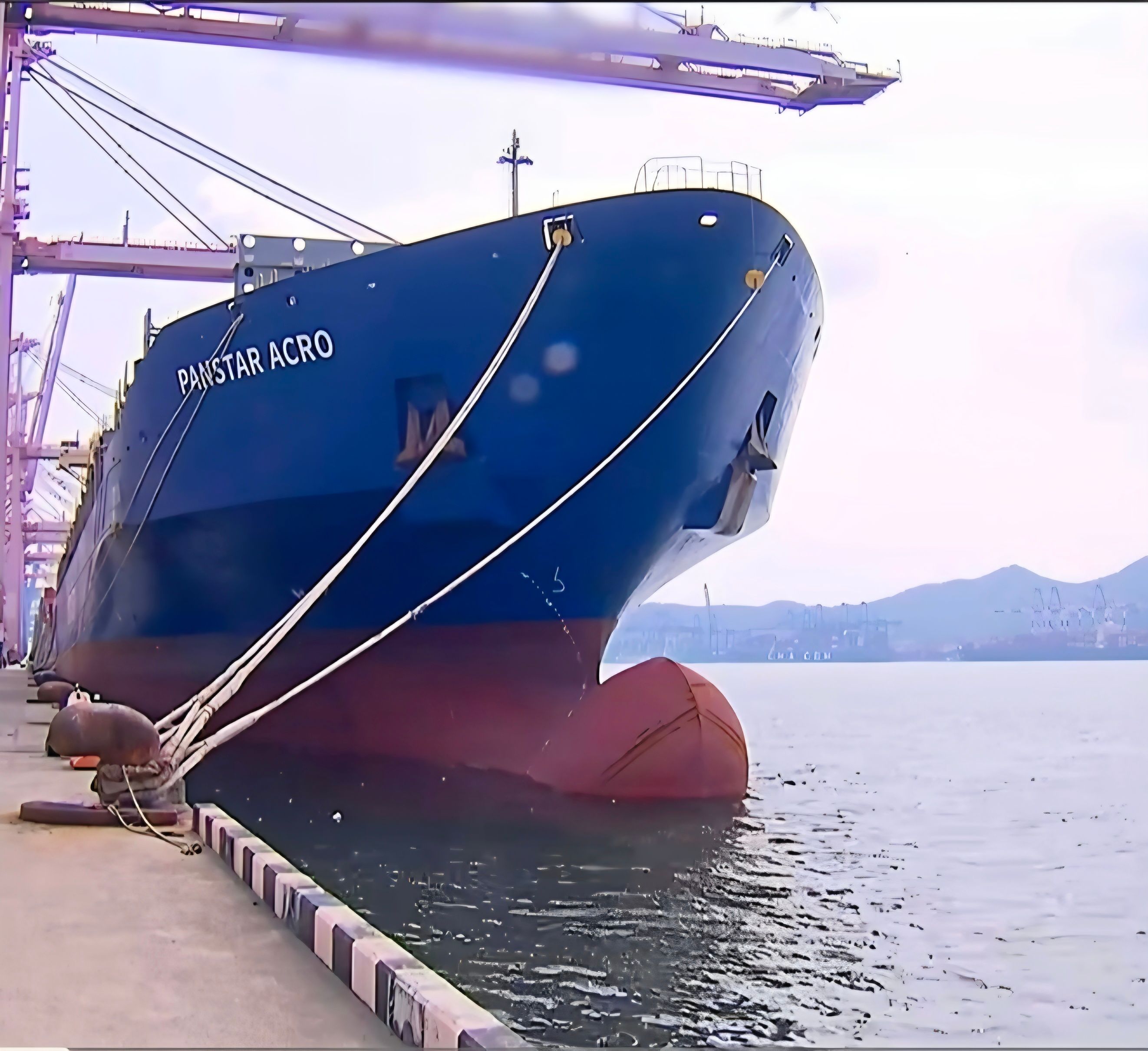
The latest fighting has centered on the Strait of Hormuz, where attacks on commercial shipping have become a flashpoint. U.S. Central Command said Iran had attacked commercial vessels transiting the waterway and said American strikes were intended to impose costs for threatening international shipping. Maritime authorities raised the threat level for vessels in the strait, and the International Maritime Organization called for restraint as thousands of seafarers remained unable to depart the Persian Gulf safely. Oil markets reacted again to the instability, with Brent crude climbing to about $79 a barrel after briefly topping $80, above prewar levels near the low $70s.
Competing narratives over responsibility for the collapse of the truce have hardened. Trump said he no longer wanted to deal with Iran and suggested the U.S. should "finish the job," though he has also maintained that the strikes do not necessarily amount to a return to full-scale war. NATO Secretary General Mark Rutte called the U.S. response necessary and emphasized that Iran should never obtain nuclear capability, while European Union foreign policy chief Kaja Kallas condemned Iran's attacks on Bahrain and Kuwait and stressed the need to keep navigation through the strait open. Iranian parliamentary speaker Mohammad Bagher Ghalibaf, however, argued that Washington had violated the agreement first, pointing to renewed sanctions on Iranian oil sales and continued threats of further strikes.
The broader backdrop is a 60-day memorandum intended to pause the war and create space for technical talks, but mistrust on both sides has repeatedly undermined it. Analysts say Washington appears to be trying to pressure Tehran militarily without reigniting a full-scale conflict, while Iran is seen as seeking to preserve leverage over the strait as promised economic benefits have yet to materialize. At the same time, continued operations are raising concerns about U.S. weapons stockpiles. Defense analysts said key missile inventories, including THAAD, Patriot and Tomahawk systems, remain depleted from earlier phases of the conflict and could take years to replenish, though Pentagon officials insist the military retains the capabilities it needs.