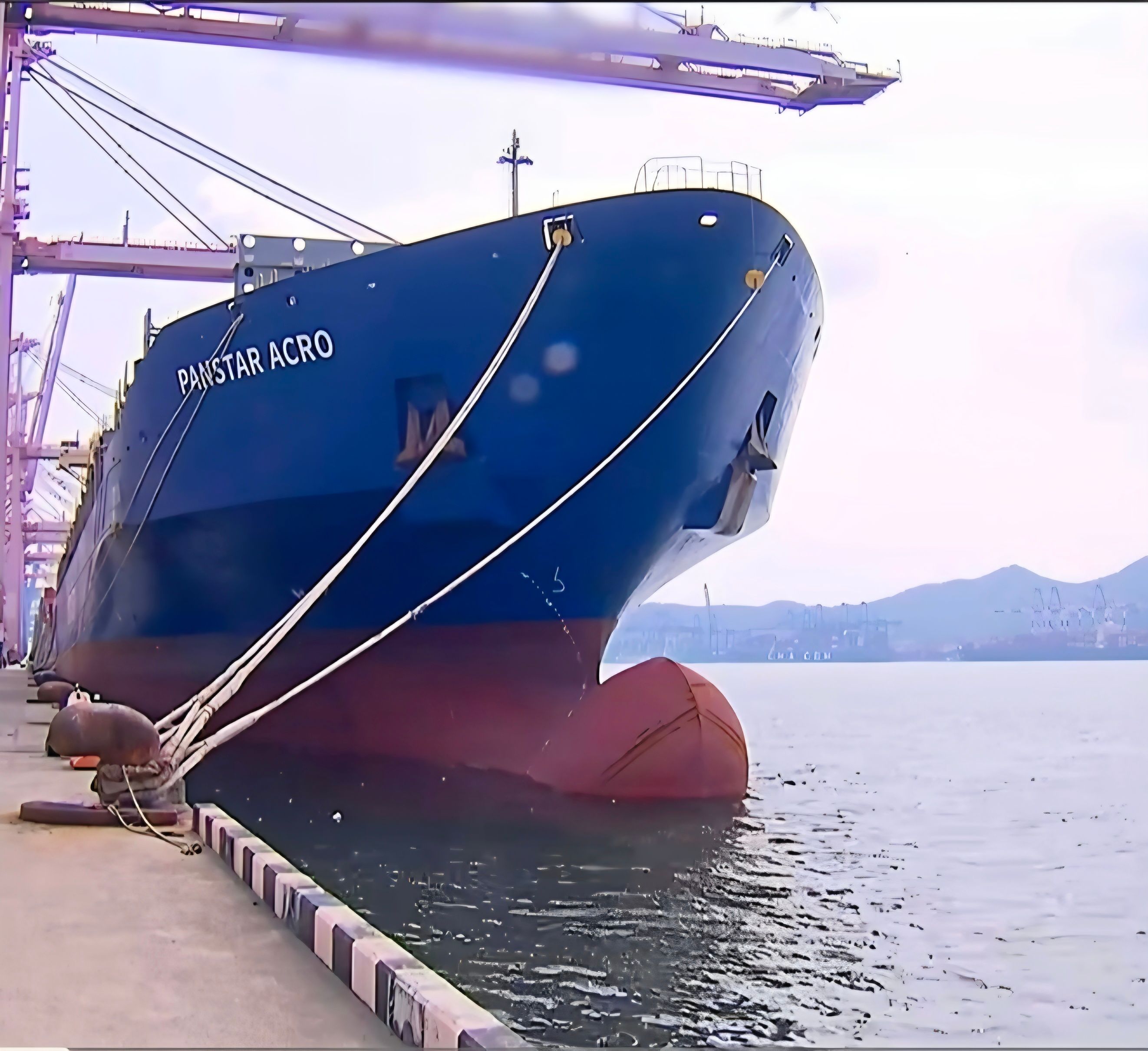
The United States and Iran exchanged another round of attacks overnight, intensifying tensions around a ceasefire that had been intended to support negotiations toward a longer-term settlement. The U.S. military said it struck roughly 90 Iranian military targets, including air defense systems, missile and drone storage sites, coastal surveillance assets and naval capabilities, after attacks on commercial shipping in the Strait of Hormuz. Iran then retaliated with strikes that triggered alerts in Gulf states including Bahrain and Kuwait, while other accounts also said Qatar was targeted. The renewed fighting has cast doubt on whether both sides can preserve the interim agreement reached in June.
Washington also moved to revoke a temporary license that had allowed Iran to sell oil on international markets, removing what had been a central economic incentive for Tehran under the interim arrangement. U.S. officials said the military action and the policy shift were responses to Iranian attacks on commercial vessels near the strait, a vital shipping corridor. Oil prices rose after the announcement. The ceasefire had been designed to open a 60-day negotiating window toward a final deal, but substantive progress had already been limited, and talks have been paused during funeral events for Ayatollah Ali Khamenei, who was killed earlier in the war.
The two sides offered sharply different interpretations of the latest escalation. President Donald Trump said the ceasefire was effectively over after the shipping attacks, though he also said he was willing to let negotiations continue and did not expect the latest fighting to become a prolonged campaign. U.S. Central Command said its forces remained prepared to respond to any breaches of the agreement and framed the strikes as a defense of freedom of navigation. Iranian officials, by contrast, condemned the attacks as aggression and a violation of the memorandum of understanding. Iran's foreign ministry said Washington would bear responsibility for the consequences, while Iranian officials argued that vessel routes through the strait should be coordinated with Tehran.
The Strait of Hormuz remains at the center of the dispute. Before the war, about a fifth of the world's oil moved through the waterway, making any disruption a matter of global concern. U.S. officials say Iran's recent attacks on ships and pressure over transit routes are unacceptable, while Iran has sought to assert authority over passage and related arrangements. Military readiness in the region remains high even as some U.S. assets have been rotated or withdrawn, with maritime protection and rapid response still emphasized. Analysts say the current mix of limited warfare, stalled diplomacy and unresolved disputes over the strait may be difficult to sustain without either a renewed understanding or a broader breakdown in the truce.