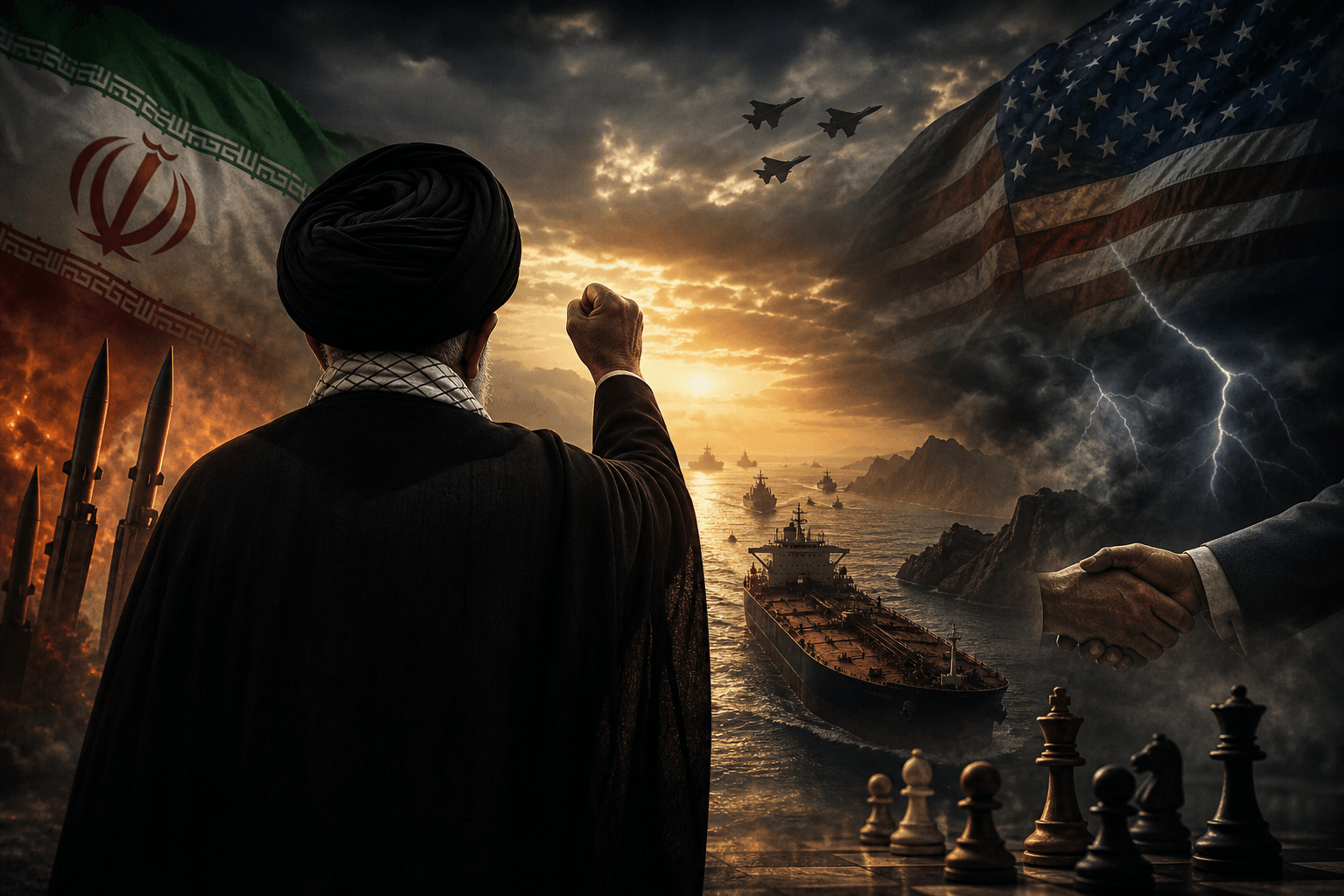
Iran’s Supreme Leader Mojtaba Khamenei on Saturday vowed revenge for the killing of his father and predecessor, Ali Khamenei, as tensions with the United States sharpened over renewed threats from President Donald Trump and unresolved disputes in the Strait of Hormuz. In a written statement carried by Iranian state media, Mojtaba Khamenei said retribution for those killed in the recent wars was a national demand that would be carried out. The statement came during funeral ceremonies for Ali Khamenei, who was killed in an airstrike in late February at the start of the U.S.-Israeli war against Iran.
The escalation in rhetoric followed Trump’s warning that the United States would respond with overwhelming force if Iran attempted to assassinate him. In a social media post, Trump said 1,000 missiles were aimed at Iran and that orders had already been given for a wider U.S. military response if such an attack occurred. CNN reported that Israeli intelligence had shared information with the Trump administration about alleged Iranian threats, while two U.S. sources said recent American intelligence assessments did not point to a new, specific plot but instead to ongoing chatter involving various Iranian actors.
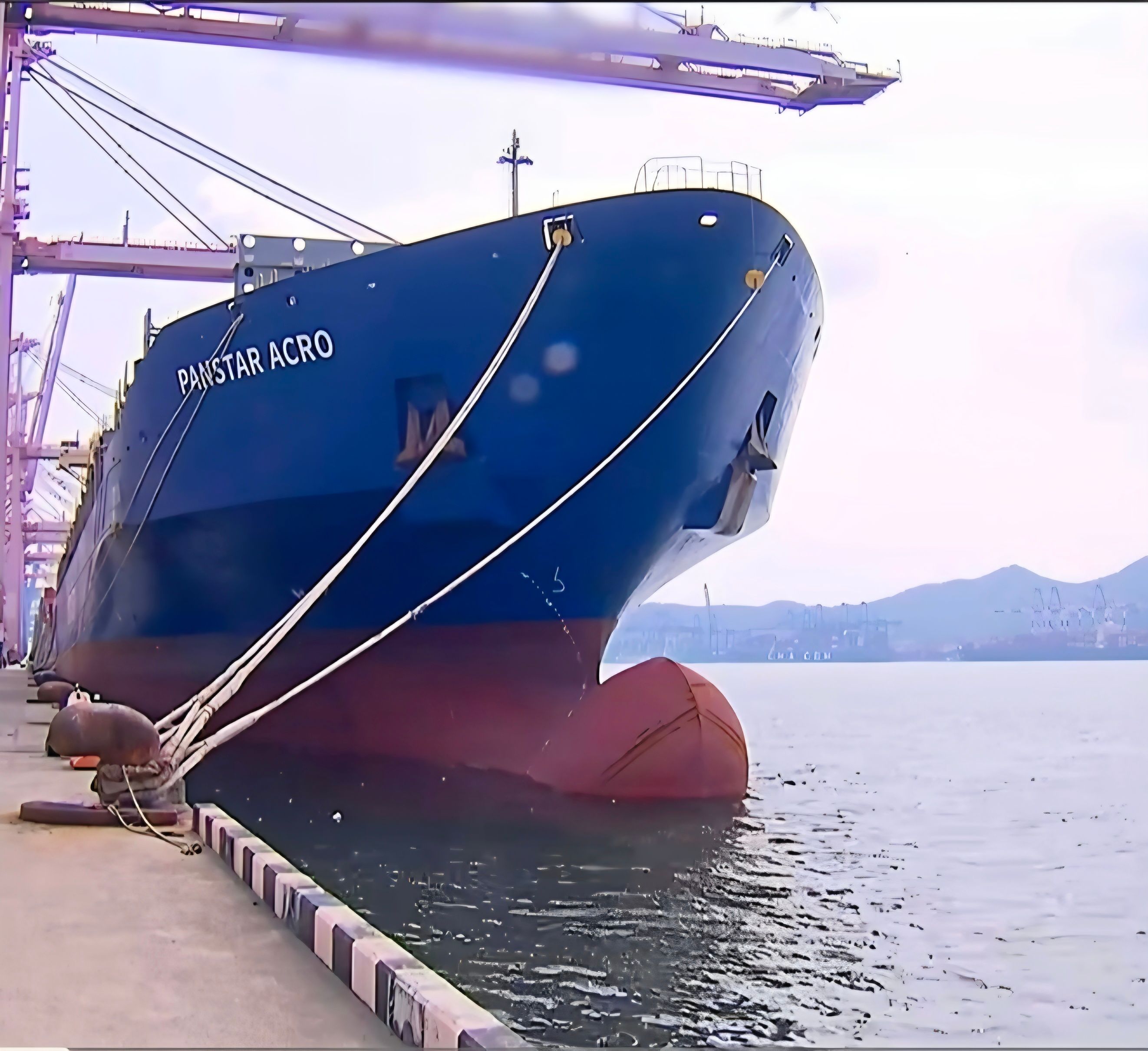
At the same time, diplomatic efforts continued in Oman, where Iranian Foreign Minister Abbas Araghchi arrived in Muscat for talks on the Strait of Hormuz. Iranian officials said the visit would focus on mechanisms to ensure the safe passage of ships through the waterway. Senior U.S. officials have said Washington wants Tehran to issue a public statement confirming that the strait is open and that commercial vessels will not be attacked. The waterway has become a central point of friction after attacks on shipping and subsequent U.S. strikes on Iranian targets, with traffic through the passage reported to have slowed again.
The two sides remain at odds over whether existing understandings are being honored. Araghchi said Iran had kept its commitments and accused the United States of violating terms of their memorandum of understanding, while Iranian negotiators warned Tehran was prepared for what they called an all-out defense if Washington broke the agreement. Trump, by contrast, has said the ceasefire is over, even as talks continue. Iran also denied reports that it had sought renewed negotiations with Washington, with a source close to its negotiating team saying no talks would take place unless the United States changed its position.
Broader regional diplomacy has continued alongside the confrontation. Oman, which had mediated earlier rounds of U.S.-Iran contacts, is again hosting sensitive discussions over the future administration of the Strait of Hormuz. Pakistan has also reaffirmed its readiness to mediate. Meanwhile, Mojtaba Khamenei has not appeared in public since the strike that killed his father, and reports about injuries he may have suffered in that attack remain unconfirmed by independent public evidence.