GWANGJU — Gwangju’s military base is clearing out. An 800-trillion-won technology empire is ready to take its place.
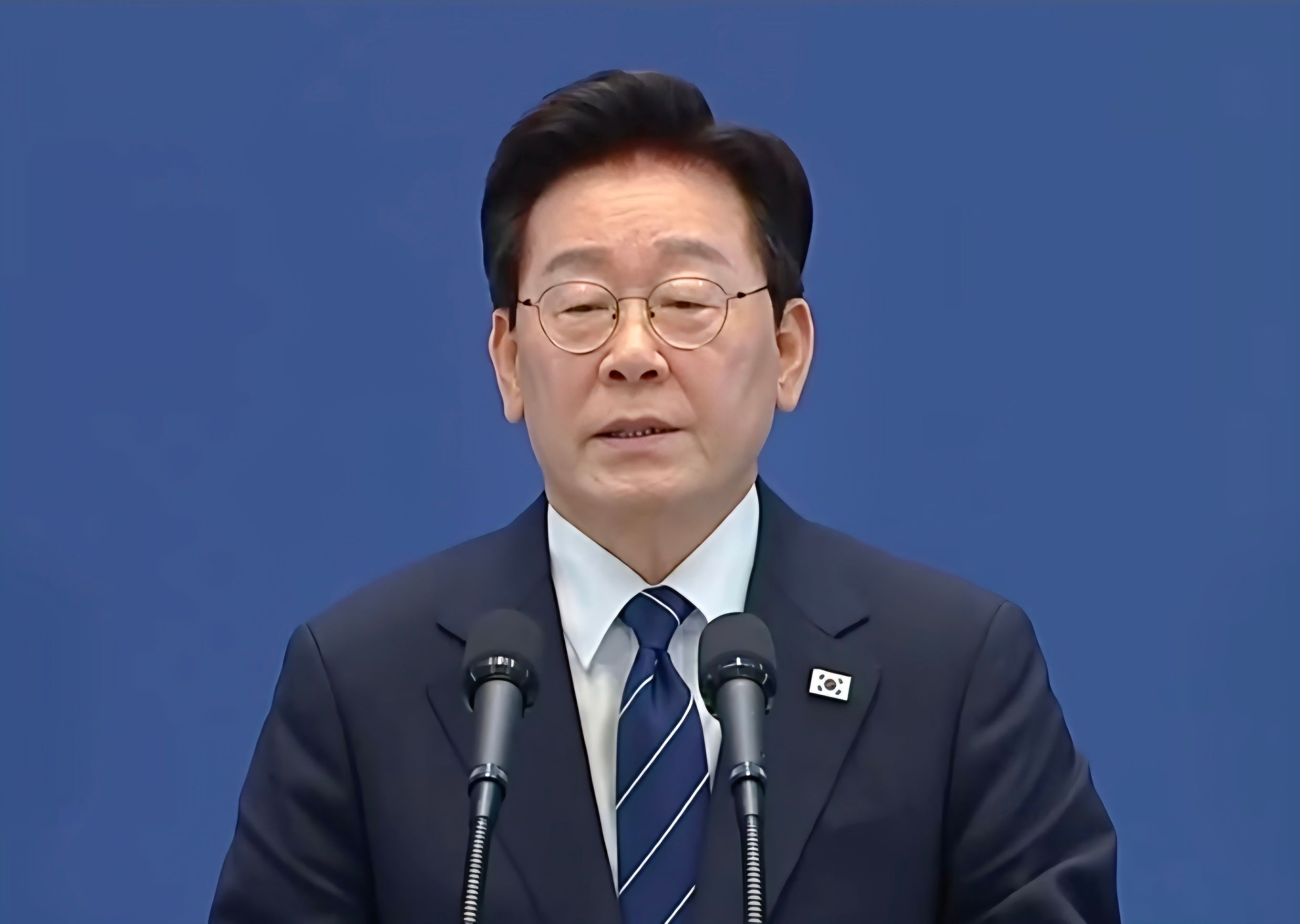
The deal is officially locked. President Lee Jae-myung, Samsung Electronics Chairman Lee Jae-yong, and SK Group Chairman Chey Tae-won shook hands. Their agreement cements the military airfield as the final destination for the Honam semiconductor mega-cluster—the undisputed centerpiece of the administration’s economic strategy.
The numbers are staggering. Samsung and SK Hynix are injecting 400 trillion won each into the project. Four massive manufacturing facilities will soon rise from the old tarmac.
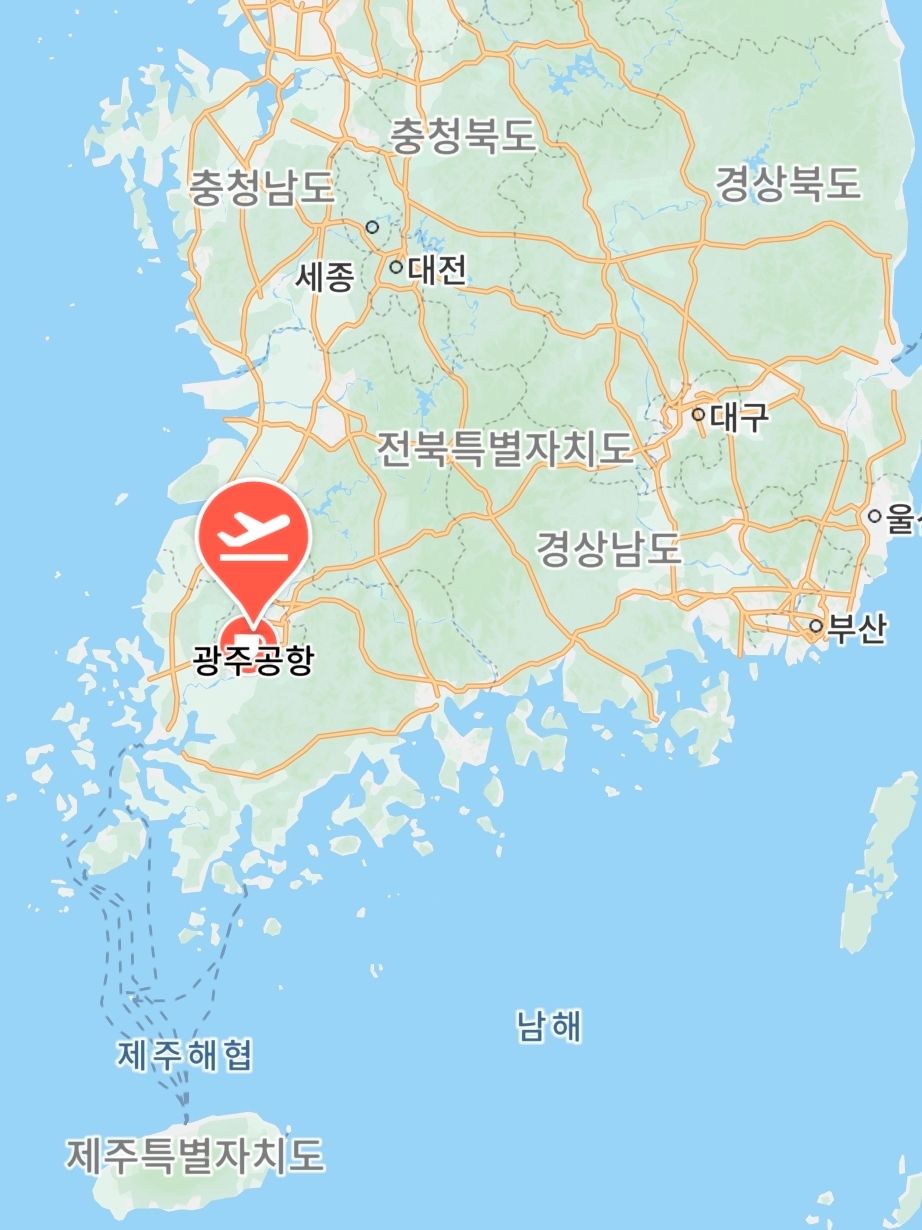
"The corporations pointed directly to Gwangju," Presidential Chief of Staff Kang Hoon-sik stated following a high-level review meeting. "The site offers 2.5 million *pyong* (8.26 million square meters). Because it is an active airfield, the ground is already perfectly leveled, cutting construction timelines drastically."
The tactical benefits are clear. The location sits right next to downtown Gwangju and the KTX station, instantly solving the tech sector's biggest headache: recruiting top talent and securing premium housing. Logistics are already hardwired into the location, with highways, rail, and sea ports all within striking distance.
But moving an entire military installation is a tactical nightmare.
The defense operations must migrate to Muan-gun, while Gwangju’s civilian flights shift to Muan Airport. The price tag for this massive relocation ranges from 8 to 10 trillion won, and securing that capital remains the immediate hurdle. Then comes the raw hunger of the new facilities; they will require a massive, uninterrupted supply of electricity and water to stay online.
The clock is ticking mercilessly. The government and local authorities want the new relocation site secured by the end of this month. A public referendum is scheduled for October, with a final decision set for November.
To beat the deadline, the state is bypassing standard bureaucracy, pushing hard for expedited design-build turnkey contracts. Until the new base is functional, Gwangju’s military units will be scattered across existing airfields nationwide.
The President is keeping this project on a very short leash, personally steering monthly progress checks. A new, heavy-hitting task force is taking shape inside the Blue House, designed specifically to bulldoze through inter-ministerial red tape.
"The pace is about to quicken," a local official noted.
The capital is pledged. The blueprints are drawn. Now, they just have to move the dirt.