Click here to watch the video on the merger discussions.
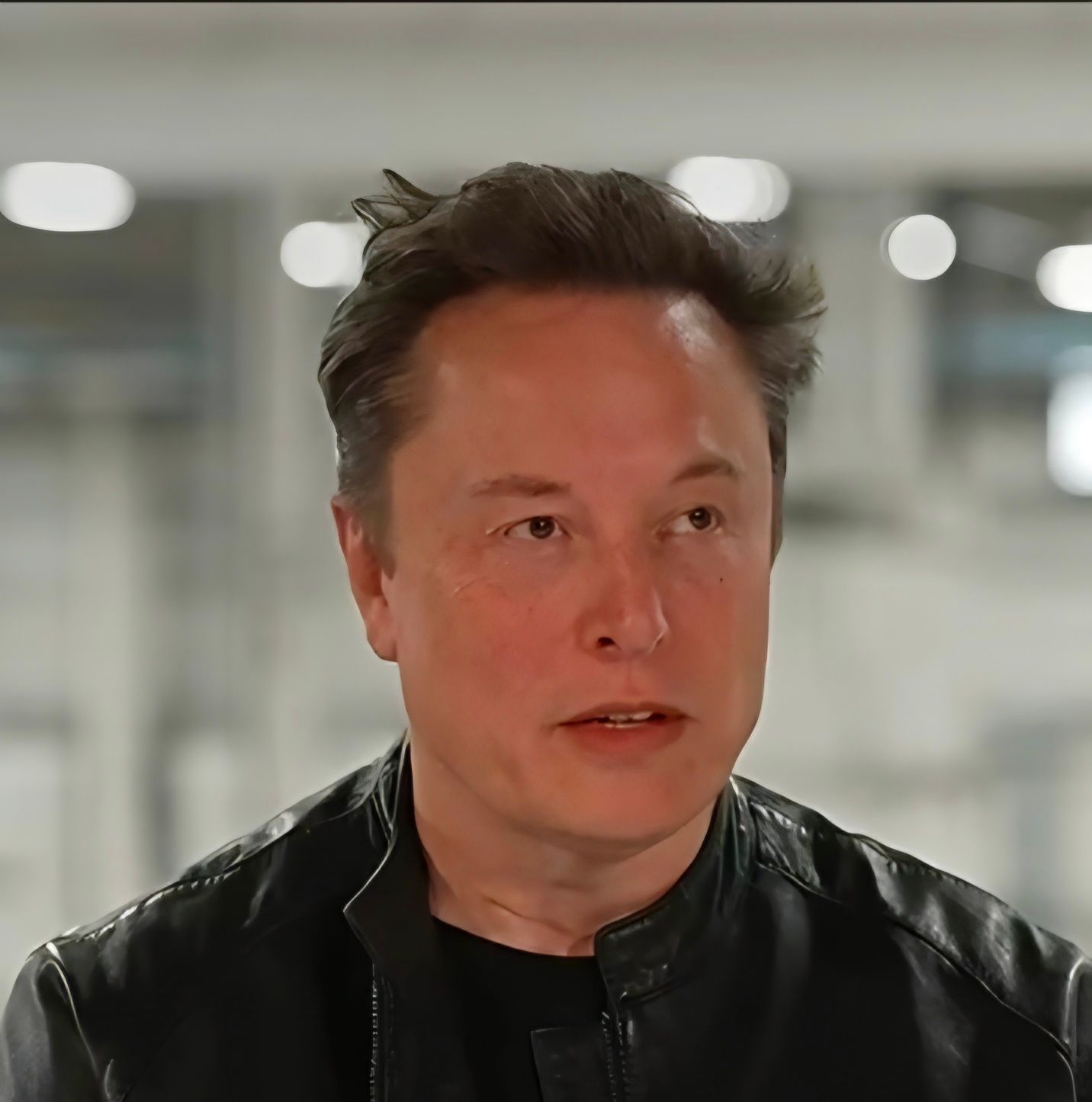
NEW YORK — Many of you probably spat out your morning coffee reading the headlines. Elon Musk just pulled off another peak Elon Musk move. Only this time, the scale is on a whole different level: he officially floated the idea of merging Tesla, the EV maker, with SpaceX, the rocket company.
If these two giants actually unite into a single entity, it would create an unprecedented juggernaut valued at roughly $3.5 trillion (around 4,631 trillion KRW). That is a cosmic heavyweight class big enough to swallow ten Samsung Electronics whole. Was Musk just trolling on X again? Far from it. During SpaceX's Q3 earnings call, he confirmed that special committees had already been formed by the boards of both companies to actively explore the merger.
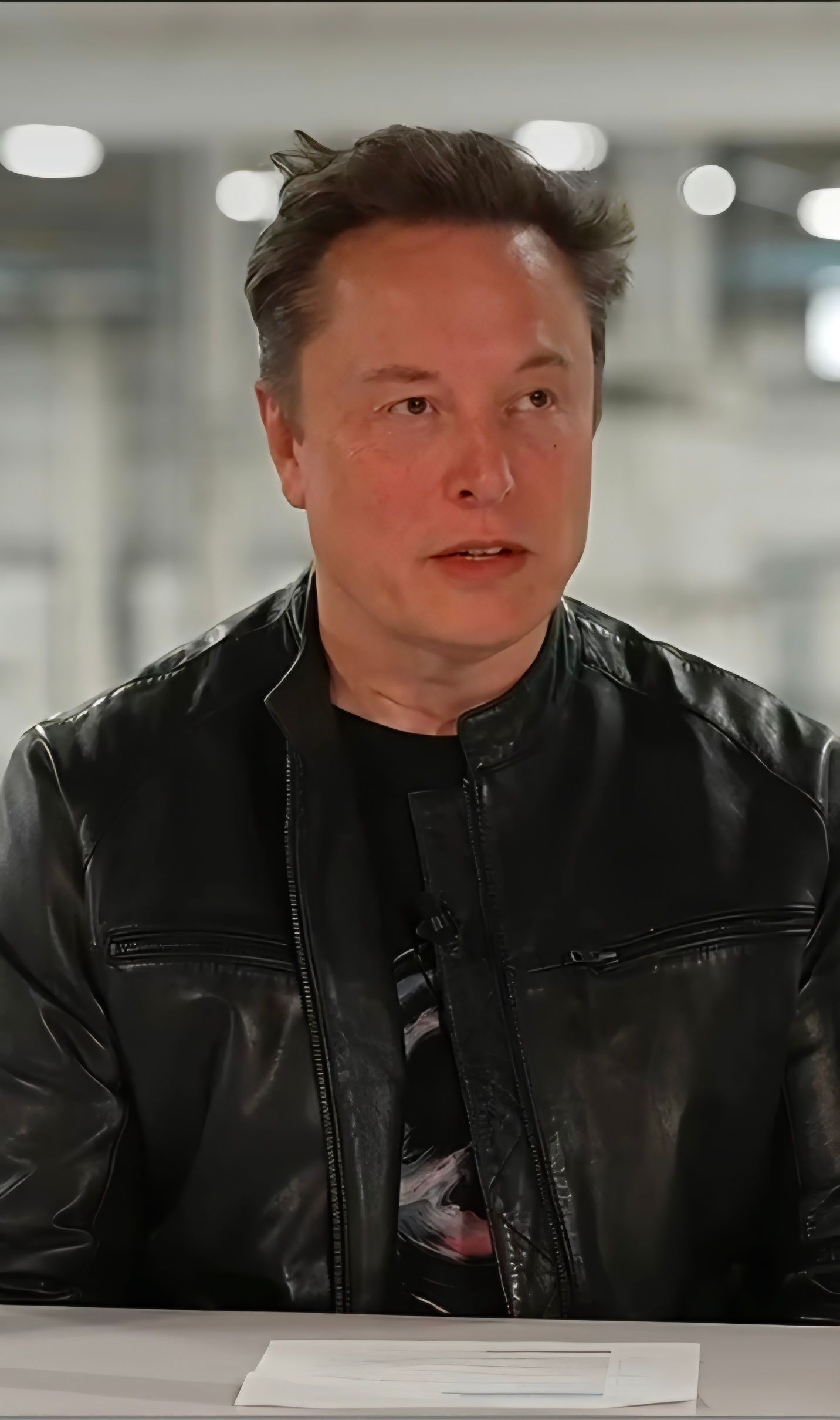
Why on earth would anyone merge two wildly successful, standalone powerhouses? The instinctive joke might be, "Is he strapping rocket thrusters onto an EV roof to make it fly?" But his real motivation lies somewhere entirely different. In short, it is all about completing his ultimate AI space empire.
Empty out Musk’s pockets right now, and you will find an absurd arsenal of frontier tech: the conversational AI Grok, the social media sandbox X (formerly Twitter) packed with real-time cultural chatter and unfiltered hot takes, humanoid robots like Optimus built to replace manual labor, the driverless Cybercab robotaxi, and SpaceX launching fleets of satellites into orbit.
The problem was that these dazzling puzzle pieces were scattered across completely separate entities. So, Musk began connecting the dots. Earlier this year, SpaceX absorbed the AI venture xAI, which had already brought X under its umbrella. Now, drop the final piece of the puzzle—Tesla—into the mix. What do you get? A full-stack powerhouse running social data, AI compute, in-house chip manufacturing, autonomous robots, and an orbital satellite backbone all under one roof.
The crown jewel of this tie-up is the orbital AI data center initiative, dubbed Project "Starmind." Big Tech worldwide is in a mad dash for AI compute, but do you know what is giving them the biggest headache? Power and real estate. Running AI clusters 24/7 is pushing terrestrial power grids to the brink, while cooling water shortages make breaking ground on new facilities an uphill battle.
Here comes Musk’s signature out-of-the-box playbook: "Out of land? Running out of power? Simple—ship the data centers into space!"
The blueprint calls for deploying up to a million satellites into Earth orbit, running AI workloads entirely on round-the-clock solar energy. Deep space is freezing cold, so cooling is practically free, and raw sunlight never stops beaming. Meanwhile, the proprietary silicon needed for both these orbital data centers and Tesla's robots would roll off the lines at "TeraFab," the massive $16.8 billion joint chip fab under construction in Texas. Design and fabricate chips on Earth, run compute in orbit, and deploy the intelligence into ground-level robots and self-driving cars. Even seasoned sci-fi writers would struggle to dream up a pipeline like this.
Investors are already salivating. Following news of the potential merger, Tesla shares jumped over 4%, while SpaceX's private valuation spiked nearly 10% intraday. Should this grand design materialize, Musk could lock down around 56% of the combined company's voting power, effectively cementing his imperial reign.
Popping the champagne just yet, however, would be premature. The roadblocks ahead are Everest-sized.
First, there is the fundamental question of technical feasibility. Operating high-throughput AI workloads while withstanding the relentless onslaught of cosmic radiation remains largely unproven in the real world. SpaceX itself conceded in regulatory filings that the commercial viability of orbital compute is far from guaranteed. If things go south, it could end up as a multi-billion-dollar fleet of orbital space junk.
Second is the watchful gaze of Washington regulators. SpaceX serves as a vital defense and aerospace contractor handling top-secret missions for the Pentagon and NASA. Tesla, on the other hand, operates its gargantuan Gigafactory in Shanghai, tethering its fortunes closely to Beijing's good graces. From the U.S. government's perspective, tying a crown-jewel defense contractor to a company deeply intertwined with China sounds like a geopolitical security nightmare waiting to happen.
Finally, there is the battle for shareholder buy-in. The deal would require majority approval from Tesla stockholders. Investors who bought in strictly for EVs and autonomous transport might push back hard: "Why should our hard-earned capital bankroll Musk's wild, high-risk space escapades?"
Will Musk's audacious $3.5 trillion gamble reshape reality, or will it fizzle out as one of history's most extravagant market bluffs? One thing is certain: Elon Musk’s unfolding space saga is more entertaining than anything Hollywood can produce, and it definitely calls for front-row popcorn. Would you buy a ticket aboard this starship?