Imagine this scene: the lights in an upscale Tokyo restaurant are dimmed, soft jazz plays in the background, and candles flicker on the table. A man gazes deeply into his partner’s eyes, clears his throat, and delivers what should be the most romantic question of their lives. But instead of slipping a velvet box across the tablecloth, he utters the following words:
"Boku no pantsu o aratte kurenaika?" (僕のパンツを洗ってくれないか?)—or, in plain English, "Will you wash my underwear?"
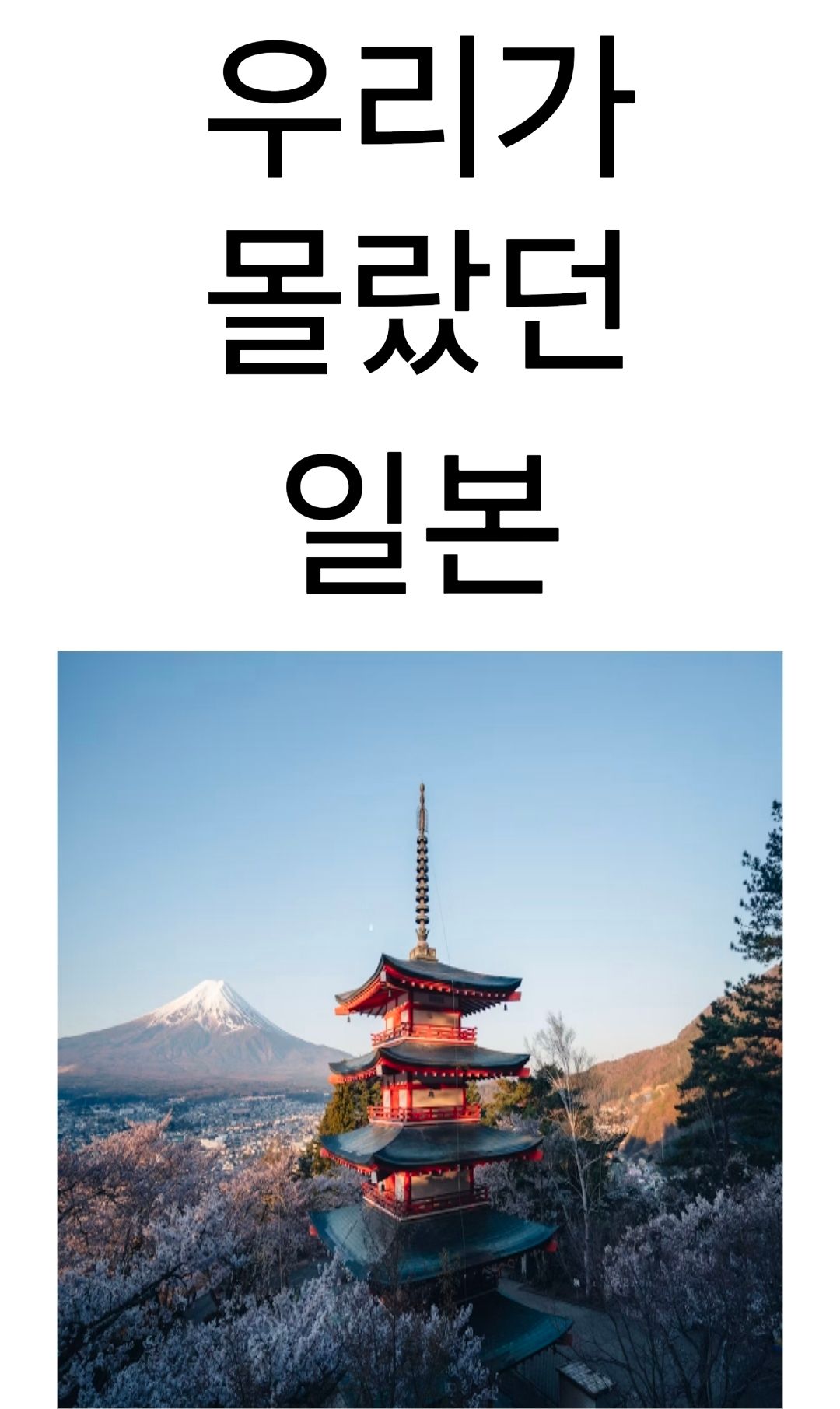
To Western ears, or indeed to modern Korean sensibilities, this sounds less like a marriage proposal and more like a bizarre, unprompted job offer for a live-in laundromat attendant. Yet, as detailed in Cho Seung-won’s eye-opening book, What We Didn't Know About Japan (우리가 몰랐던 일본), this unromantic phrase once ranked among the most iconic, culturally understood marriage proposals in modern Japanese society.
Written by a veteran corporate expat who lived in Tokyo for six years and explored all 47 Japanese prefectures, the book offers an affectionate, witty, and razor-sharp deconstruction of Japanese culture. Behind the pristine aesthetic of polite bows, bullet trains, and Michelin-starred sushi counters lies a complex tapestry of unspoken rules, domestic contradictions, and lingering historical shadows.
The Domestic Tyrant and the Craving for Romance
To understand why a man would ask a woman to scrub his boxers as a profession of love, one must understand the traditional Japanese concept of Teishu Kampaku (亭主関白). Literally translating to "the husband is the imperial regent," it describes a home where the man acts as the undisputed household dictator. In this patriarchal framework, asking a woman to handle his daily laundry wasn't meant as an insult; it was a clumsily veiled declaration that he was ready to grant her lifelong entry into his inner sanctuary, expecting her in return to manage all domestic duties.
While certain regions with female-dominated economies historically nurtured strong matriarchs—a dynamic termed Kakaa Tenka (かかあ天下)—the prevailing postwar norm across Japanese households left women bearing the silent weight of demanding, stoic patriarchs.
This social fatigue, Cho explains, was the secret catalyst behind the explosive 2002 phenomenon of the Korean drama Winter Sonata. When millions of Japanese housewives wept over "Yon-sama" (Bae Yong-joon), Japanese commentators scrambled to analyze the obsession. The answer was painfully simple: Japanese women, worn out by husbands whose idea of communication was barking for dinner and tossing dirty laundry, found emotional solace in an attentive, gentle screen hero who actually looked them in the eye and treated them with tender warmth.
From Pure White Kimonos to Airport Breakups
The ritual journey of a Japanese marriage, as explored in the book, is full of fascinating visual symbolism and modern ironies. At a traditional Shinto wedding ceremony, the bride wears a pristine, all-white ensemble known as Shiromuku (白無垢). The white fabric does not merely signify purity; it represents a solemn pledge that the bride is entering her husband’s household as a blank canvas, ready to be dyed in whatever color his family tradition demands. Furthermore, the long, graceful sleeves of her unmarried kimono are cut down to a modest length of roughly 49 centimeters after marriage, outwardly marking her transition to a practical homemaker.
Yet, the illusion of lifelong female subservience has been steadily unraveling. The book highlights the infamous wave of Narita Divorce (成田離婚), where young brides, traveling abroad for the first time on their honeymoons, discovered their new husbands were helpless, arrogant, or stingy, and promptly ended the marriage right at the baggage carousel of Narita Airport.
Decades later, an even more calculated phenomenon emerged: Jukunen Rikon (熟年離婚), or retirement silver divorce. Armed with modern pension-splitting laws that entitle a long-suffering spouse to up to 50 percent of her partner's corporate pension, wives now smile politely through years of quiet discontent, waiting patiently until the day their husbands retire before dropping divorce papers on the kitchen counter.
For those who choose not to divorce, the book reveals the eerie reality of Kamen Fufu (仮面夫婦)—"masked couples". Living in cramped urban apartments, these couples share a roof and divide the bills to preserve appearances and protect their children's social standing, yet live as total strangers, sleeping in separate beds and exchanging neither words nor glances for years on end.
Everyday Cultural Minefields
Beyond marital dynamics, What We Didn't Know About Japan serves as a crucial field manual for anyone navigating the unspoken taboos of Japanese everyday life.
Take the dining table, for instance. In Korea, breaking off a piece of a savory pancake by pulling on it with two sets of chopsticks is a communal act of friendship. In Japan, doing so will cause your dining companions to freeze in horror. Passing food directly from chopstick to chopstick (Hashi-watashi) mirrors the Buddhist cremation ritual (Okotsu-hiroi), in which family members use long chopsticks in pairs to lift bone fragments into an urn. To a Japanese host, doing this at dinner feels less like sharing food and more like reenacting a funeral.
Linguistic landmines are just as treacherous. In Korea, calling someone a Happo-bijin (八方美人) is high praise, meaning they are versatile, talented, and charming in every direction. Say that to a Japanese colleague, however, and you have delivered a career-ending insult: in Japan, the word denotes a two-faced, spineless brownnoser who shifts allegiances like a weather vane. Similarly, introducing a significant other as one's Aijin (愛人)—which means "sweetheart" in Korean—will raise eyebrows across the room, as the Japanese term specifically refers to an illicit mistress or lover in an extramarital affair.
A Witty, Indispensable Window into the Archipelago
What makes Cho Seung-won’s work so compelling is that it never descends into nationalistic condescension or uncritical praise. Writing as a septuagenarian addressing his own daughter and granddaughter, the author approaches every curious nuance—from 45-degree municipal bathhouses (sento) to the historical puzzle of Edo-era printmaker Sharaku—with empathy, wit, and sociological curiosity.
He reminds readers that neighboring cultures are often the easiest to misunderstand precisely because they appear so deceptively familiar. Whether you are planning a weekend escape to Kyoto, preparing for cross-border business meetings, or simply trying to decode why Japanese romance feels so distinct from global trends, What We Didn't Know About Japan proves that the truest discoveries lie not in travel brochures, but in the quirky, hilarious, and occasionally shocking corners of ordinary daily life.