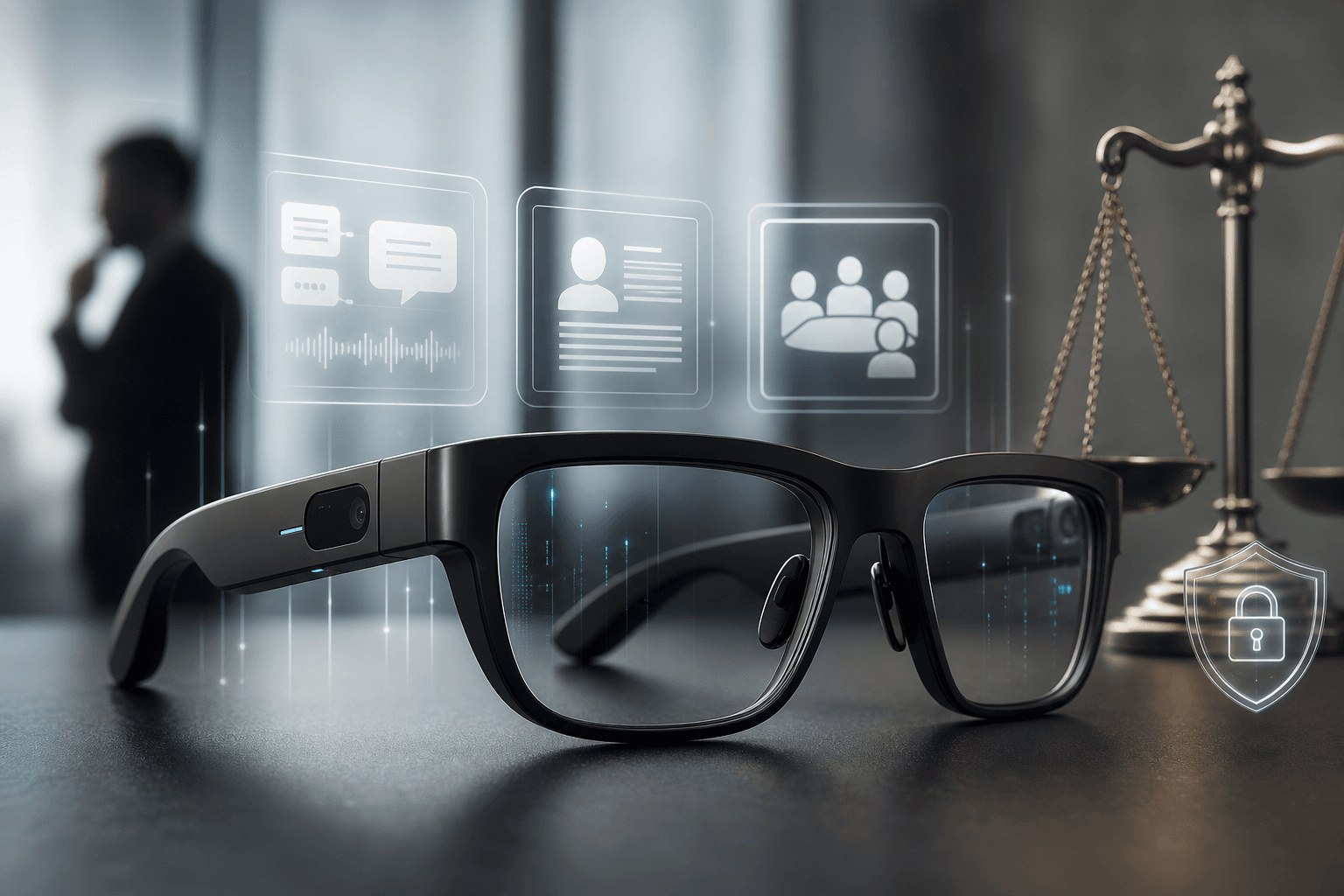
The product enters a market where competitors are pursuing different approaches. Camera-equipped glasses from Meta and others have become a major reference point for the category, but they have also drawn criticism over privacy and recording concerns. Solos, for example, has introduced a camera-enabled model with an optional clip-on privacy shield, though critics argue that removable accessories may do little to address concerns if users can simply detach them. Against that backdrop, Even Realities is making a more direct bet that a camera-free design can differentiate its glasses. Supporters of that approach argue it reduces the social discomfort associated with wearable cameras, while skeptics say the broader challenge for smart glasses remains the same: turning technically capable hardware into something people will use every day.
Even Realities Pushes Camera-Free Smart Glasses With a Productivity Focus
The company’s G2 glasses emphasize translation, teleprompting and meeting tools over photo capture, as the broader smart-glasses market remains split between privacy concerns and feature expansion.
Editorial Team
Published on July 11, 2026
1 min read

More from Tech
View all
Tech
Coding's New King: How Kimi K3 Just Dethroned Claude, GPT
Mastermind Behind Disruptor: Who is Yang Zhilin?