SEOUL — In a world dominated by fifteen-second short-form clips and instant messaging, caffeine has become less of a leisurely indulgence and more of a metabolic survival tool. Yet, a veteran scholar who spent more than three decades teaching how to capture human attention in fractions of a second is now urging the public to slow down and hold a warm clay teapot.
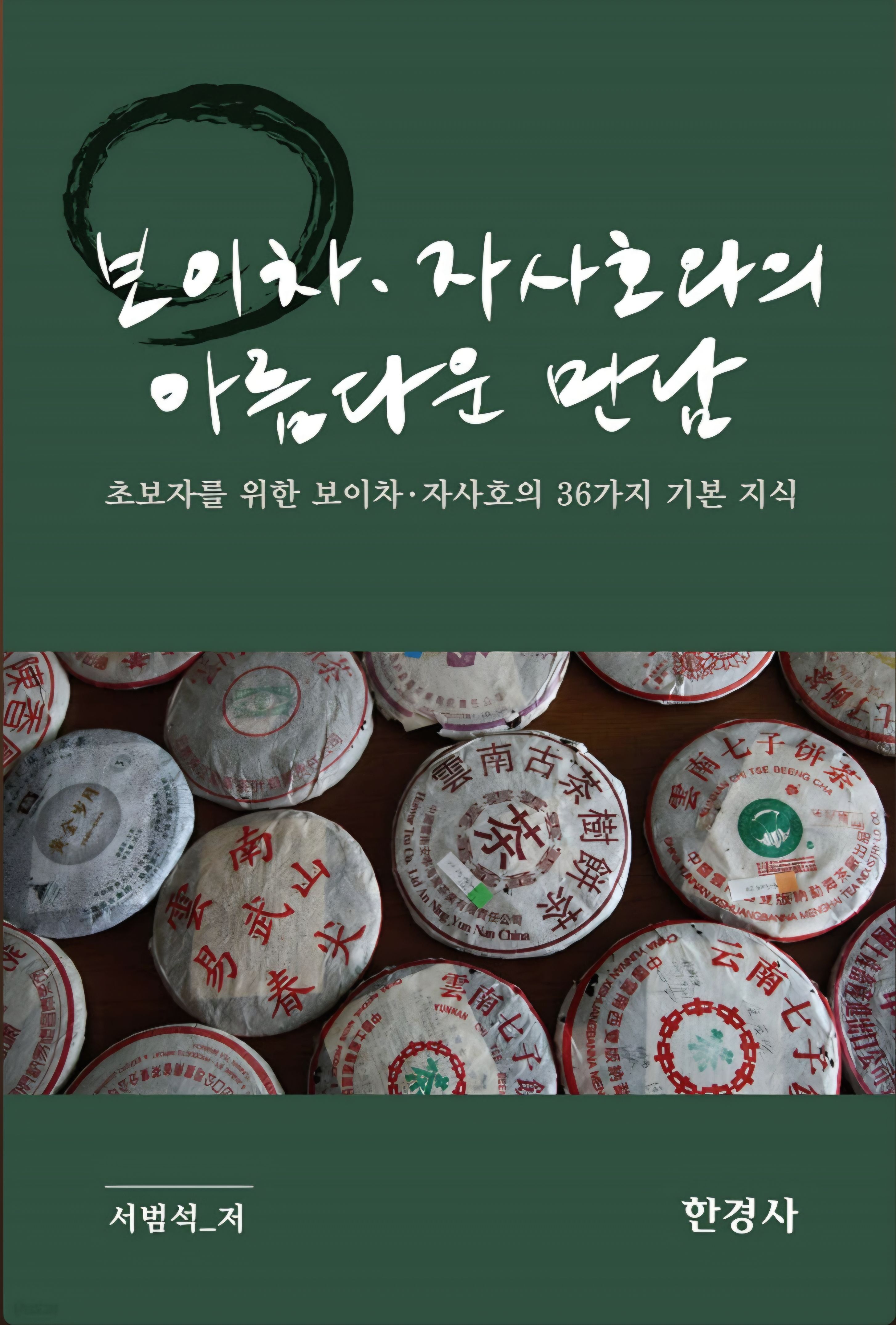
Seo Beom-seok, professor emeritus of advertising and public relations at Semyung University and former president of the Korean Academy of Advertising, has published A Beautiful Encounter with Pu-erh Tea and Yixing Teapots (Hankyungsa). Subtitled 36 Essential Insights into Pu-erh Tea and Yixing Teapots for Beginners, the book strips away esoteric jargon and elitist pretension, reframing the traditional tea table as an intimate masterclass in patience, mindfulness, and authentic human connection.
At the heart of the book is the zisha teapot (紫砂壺), hand-crafted from the distinctive, iron-rich clay found exclusively in Yixing, Jiangsu Province. Originating in the literati culture of the Ming Dynasty (1368–1644) and reaching its aesthetic pinnacle during the Qing Dynasty (1616–1912), the unglazed vessel features microscopic pores that breathe, retaining optimal heat while enriching the liquor of the tea leaves.
For Seo, the vessel’s greatest wisdom lies in yanghu (養壺), the patient art of “nourishing the pot.” Fresh from the kiln, a teapot is matte, rough, and unassuming. Yet, through daily ritual—steeped in hot tea, caressed by hand, and wiped gently with a soft cloth across months and years—the clay absorbs the natural tea oils to develop a lustrous, jade-like patina. It is a quiet beauty that no amount of money or haste can fabricate, offering a sharp critique of a digital era where relationships are forged and discarded with a single swipe.
Complementing the teapot is Pu-erh tea (普洱茶), cultivated from the broad-leaf tea trees of Yunnan Province. Tracing its heritage to the perilous Ancient Tea Horse Road during the Tang (618–907) and Song (960–1279) dynasties, Pu-erh was designated as an imperial tribute tea in 1729 under the Qing court and later captured global attention around the 2008 Beijing Olympics.
In particular, naturally aged raw Pu-erh (sheng cha) mirrors the trajectory of human life. In its youth, the tea is sharply astringent and aggressive on the palate. But left to rest in a clean, ventilated environment over ten or twenty years, its harsh edges soften into a limpid amber brew, yielding a prolonged, sweet aftertaste known as huigan (回甘). Seo observes that our own lives follow a similar fermentation: the reckless passions and prickly edges of our earlier years gradually weather into an empathetic, seasoned maturity.
The book’s most compelling revelation is its redefinition of communication. "Drinking Pu-erh tea is not merely about quenching thirst; it is about connecting hearts," Seo writes. "As water is repeatedly drawn through the same teapot, each round delivers a subtle variation of aroma and flavor that all seated at the table share in real time."
Unlike modern conversations, where people rush to fill momentary pauses and formulate rebuttals before the other person finishes speaking, the tea ceremony (chaxi, 茶席) demands deliberate stillness. Water comes to a rolling boil; the leaves slowly awaken; silence becomes a shared comfort rather than an awkward gap.
In traditional brewing, tea is never poured straight from the pot into individual cups, as doing so would leave the first cup faint and the final cup unpalatably strong. Instead, the liquor is poured into a communal glass pitcher known as the gongdaobei (公道杯, literally the “fairness cup”) or chahai (茶海, the “sea of tea”). By equalizing the brew before distribution, the host guarantees that every guest receives tea of identical flavor and warmth—a modest yet profound gesture of fairness and consideration.
By structuring the guide around 36 accessible questions, Seo removes the barrier to entry that so often intimidates newcomers. For readers exhausted by relentless acceleration, A Beautiful Encounter with Pu-erh Tea and Yixing Teapots delivers a gentle reminder that the antidote to modern burnout is not greater speed, but the deliberate courage to pause. In the few quiet minutes it takes for tea to steep, one might just rediscover the warmth of the person across the table.