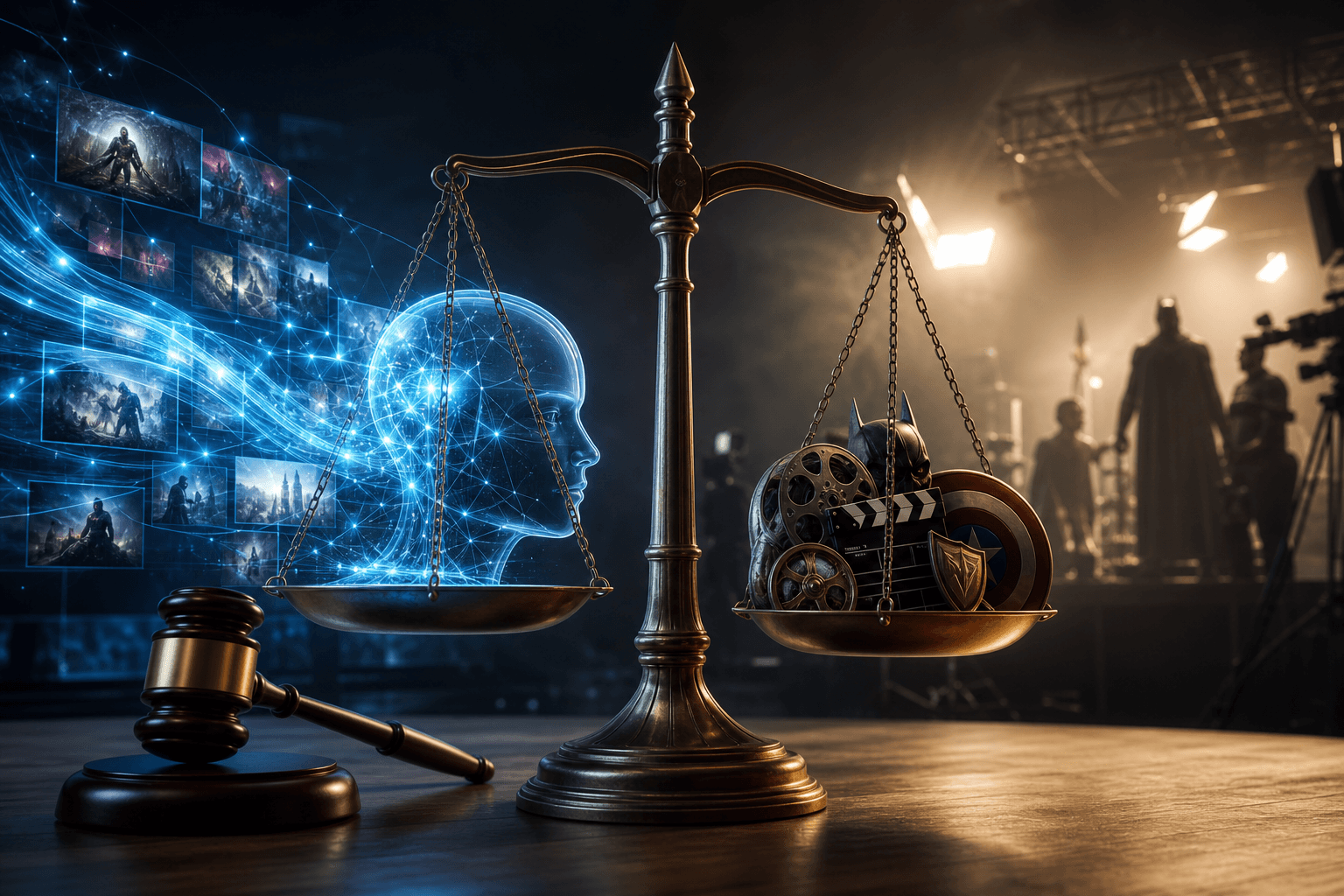
Midjourney is pressing for broader access to internal records from Disney, Universal and Warner Bros. as part of an ongoing copyright dispute over the startup’s image-generation technology. The studios sued Midjourney over claims that its models could generate images of protected characters including Bart Simpson, Darth Vader, Superman and Batman. In its latest court filing, Midjourney asked to remove limits on what the studios must disclose about their own use of generative artificial intelligence during discovery.
A judge had previously ruled that the studios must provide information about their AI use, but only when that use resulted in consumer-facing videos or images. Midjourney argues that restriction should be lifted. The company says the current limit allows the studios to selectively produce documents supporting their claims of market harm while withholding records that could aid Midjourney’s defense. It also wants the studios to disclose all prompts they used in Midjourney and the resulting outputs, rather than only the prompts tied to allegedly infringing images.
Midjourney contends that records of internal AI use could show whether the studios are engaging in similar conduct to the behavior they challenge in court. The startup argues that if the studios are developing image-generating AI tools for internal work such as storyboarding or content ideation, that could support its position that training on unlicensed copyrighted material reflects an industry practice. Midjourney has also maintained that training its models on copyrighted images is protected under fair use.
The studios reject that characterization. David Singer, lead attorney for the studios, has described Midjourney’s request for more documentation as a fishing expedition. He has said the plaintiffs are not trying to halt AI technology or shut down Midjourney, but instead want the company to stop copying movies and television shows and distributing or creating derivative works based on well-known characters without authorization.
The latest dispute centers on discovery rather than a final ruling on copyright liability, but it highlights a broader conflict between AI developers and entertainment companies over how generative models are trained and what evidence courts should consider. The underlying lawsuits began with Disney and Universal’s case against Midjourney, followed months later by a separate suit from Warner Bros., expanding the legal pressure on the startup as the entertainment industry and AI firms test the boundaries of copyright law.