Tenor Byung-Woon Jeon and Soprano Ki-Jung Zhang Anchor a Stirring 10th Anniversary Showcase of European Lieder and Korean Gagok
SEOUL — An afternoon of sheer vocal splendor enveloped the capital as the Orpheus Opera Company marked a milestone decade of music-making with an unforgettable showcase. On Saturday, August 22, 2026, music lovers gathered at Kukje Art Hall in Apgujeong to witness the company’s 10th Anniversary Art Song Concert, a meticulously structured program that honored European romantic traditions alongside the profound emotional resonance of Korean classical lyricism.
Over the past ten years, the Orpheus Opera Company has earned an enviable reputation across the Korean classical music landscape for breaking down conventional barriers, presenting opera with narrative vitality while upholding uncompromised musical standards. That cumulative decade of artistic dedication was on full display throughout the afternoon, anchored by the singular leadership of Tenor Byung-Woon Jeon and the peerless artistry of veteran Soprano Ki-Jung Zhang.
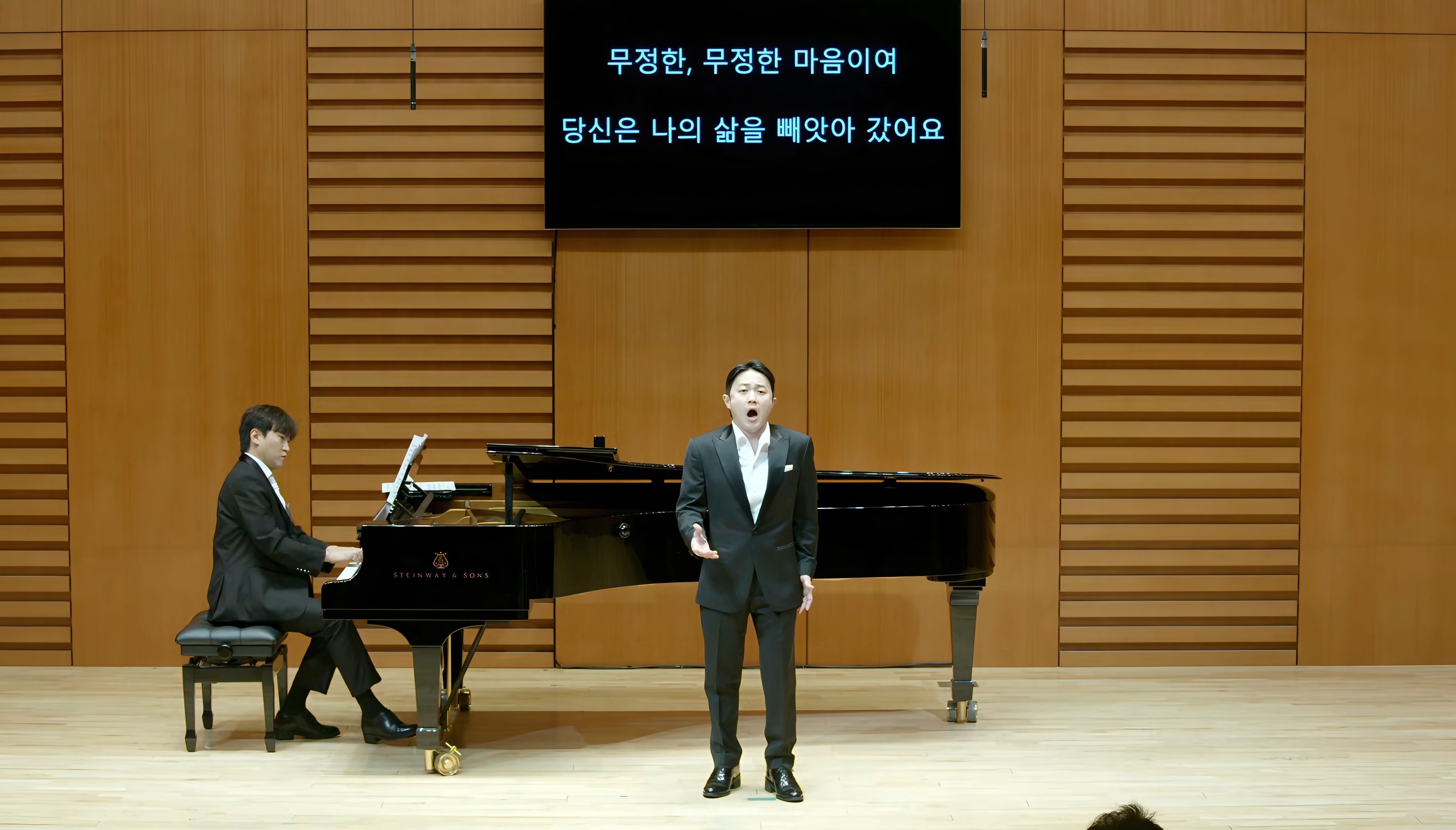
As the General Executive Producer, Representative of the company, and Music Director of the Orpheus Vocal Society, Tenor Byung-Woon Jeon demonstrated why he remains one of the most versatile musical figures in Seoul’s opera community. An alumnus of Kyung Hee University who completed advanced performance studies at the Scuola di Musica Sinfonia in Lucca, Italy, Jeon brought to the stage the authoritative presence that previously earned him top accolades at the Rising Star Competition and the New York Daily News Orchestra Competition. In addition to guiding the concert’s creative direction from behind the scenes, Jeon delivered one of the afternoon’s most electrifying solo moments with an impassioned interpretation of S. Cardillo’s Neapolitan classic Core 'ngrato. His radiant timbre, coupled with nuanced dramatic sensitivity, captured the visceral agony and devotion of the piece. Later in the second half, Jeon joined Soprano Woo-Yeon Jung for a deeply moving duet in Kim Hyo-geun’s The Most Beautiful Life (가장 아름다운 인생), blending rich vocal textures that drew warm approval from the hall.
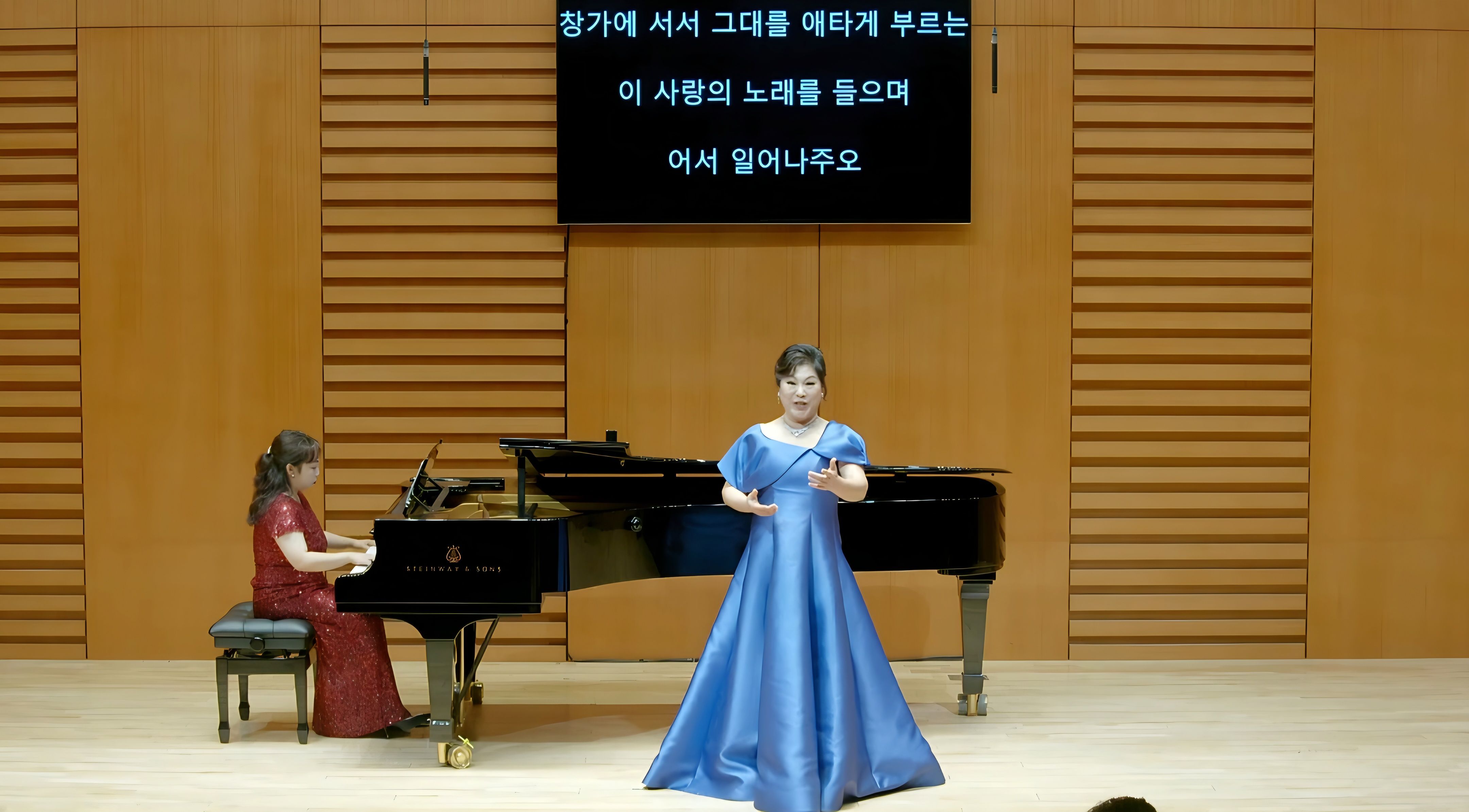
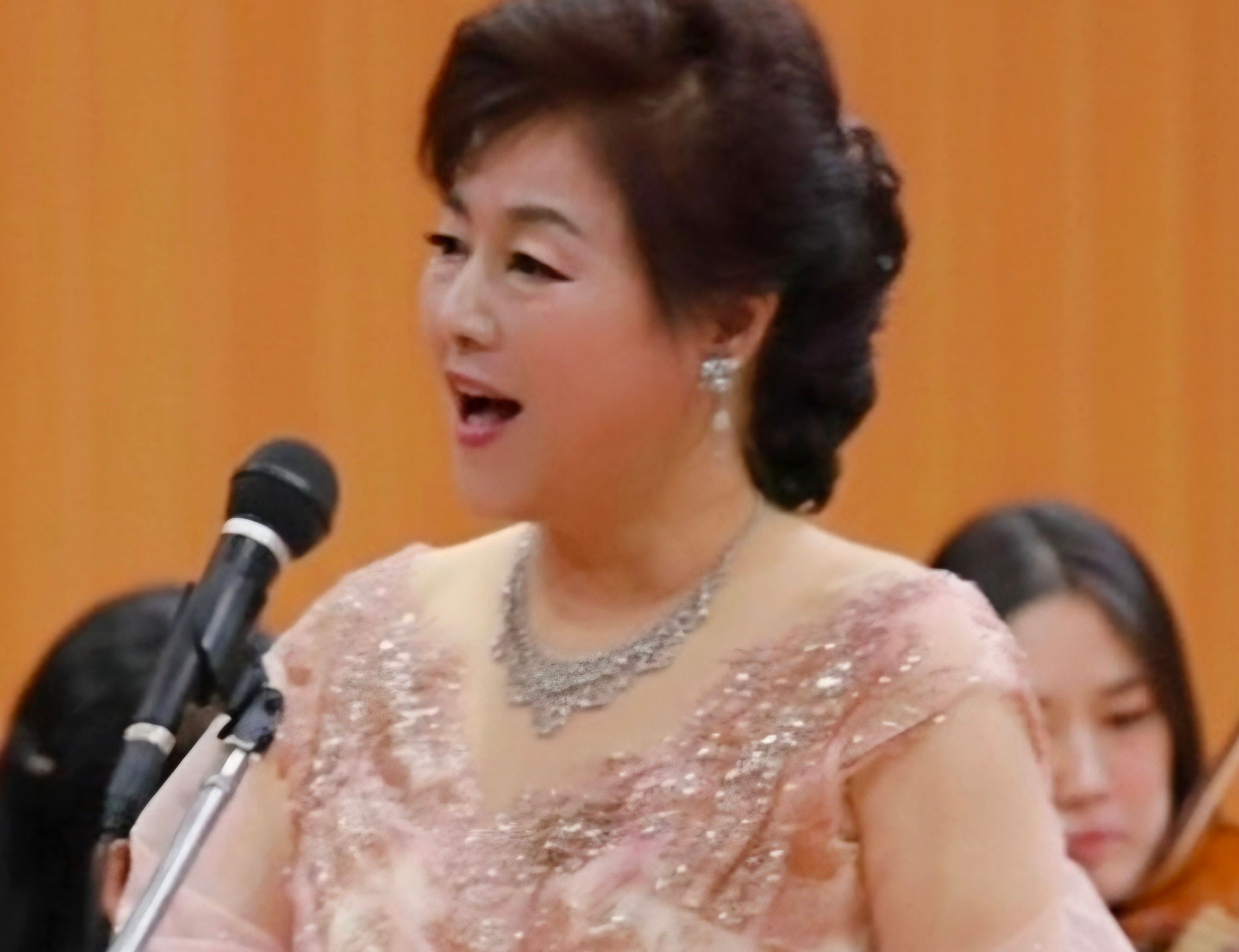
Adding immense stature and gravitas to the roster was the revered Soprano Ki-Jung Zhang, whose commanding stage presence and refined technique served as an undeniable emotional anchor. Educated at Ewha Womans University and its graduate school, followed by advanced studies at Germany’s Darmstadt City Conservatory of Music, the former Kwangju Women's University department chair demonstrated the pedagogical depth and expressive maturity honed over more than a hundred domestic and international orchestral appearances. In the first half, Zhang illuminated the auditorium with R. Leoncavallo’s buoyant Mattinata, spinning luminous, soaring phrases that exemplified Italian verismo brilliance. Later, she returned to the stage to offer a spellbinding, nostalgic rendition of Kim Seong-tae’s timeless masterpiece Dongsimcho (동심초). Her effortless transition from exuberant Italian lyricism to the quiet, lingering sorrow of traditional Korean poetry left attendees completely transfixed, marking one of the undeniable artistic zeniths of the afternoon.
The first half whisked listeners through an expressive tour of European song literature, with highlights that included F. Liszt’s Enfant, si j'étais roi by Soprano Sa-Eung Jin, C. Debussy’s delicate Nuit d'étoiles by Soprano Ji-Eun Lee, E. Satie’s playful Je te veux by Soprano Seol-Mui Lee, R. Schumann’s turbulent Ich grolle nicht by Tenor Eun-Jin Kang, F.P. Tosti’s thrilling L'alba separa dalla luce l'ombra by Tenor Hee-Young Shin, Mezzo-Soprano Hae-Won Cha’s expressive delivery of Jang Hee-young's Ti Amo, and Soprano So-Young Hong’s sprightly performance of J. Duke’s A Piper.
The second half (The second half A and The second half B) turned inward, immersing the audience in the rich tapestry of Korean Gagok. The hall resonated with evocative solo and chamber performances, featuring Soprano Won-Young Eom's meditative Under the Moonlight (달빛 아래), Mezzo-Soprano Hae-Won Cha's poignant Flowers That Blossom When Shaken (흔들리며 피는 꽃), Soprano So-Young Hong's evocative Sokbyeongsangeum (속병상음), Baritone Seung-Jae Kang's resonant reading of Yoon Hak-jun’s Resonance (잔향), and Soprano Ho-Jung Kim's virtuosic execution of Ahn Jeong-jun’s Ari Arirang (아리 아리랑). A powerhouse quartet featuring Baritone Seung-Jae Kang, Tenor Byung-Woon Jeon, Soprano Yeon-Seon Maeng, and Soprano Won-Young Eom enveloped the room in profound warmth and comfort through Kim Hyo-geun’s Even If Life Deceives You (삶이 그대를 속일지라도).
Providing the harmonic foundation throughout the afternoon were two of South Korea's most distinguished collaborative pianists and music coaches: Ji-Ho Jeon, Representative of La Seonyul Entertainment, and Seongmi Hong, who completed her Master’s degree in Opera Coaching and Accompanying at the Cologne University of Music in Germany. Their disciplined touch, intuitive pacing, and dynamic sensitivity elevated the soloists, creating an organic dialogue between piano and voice that sustained the afternoon's high emotional momentum.
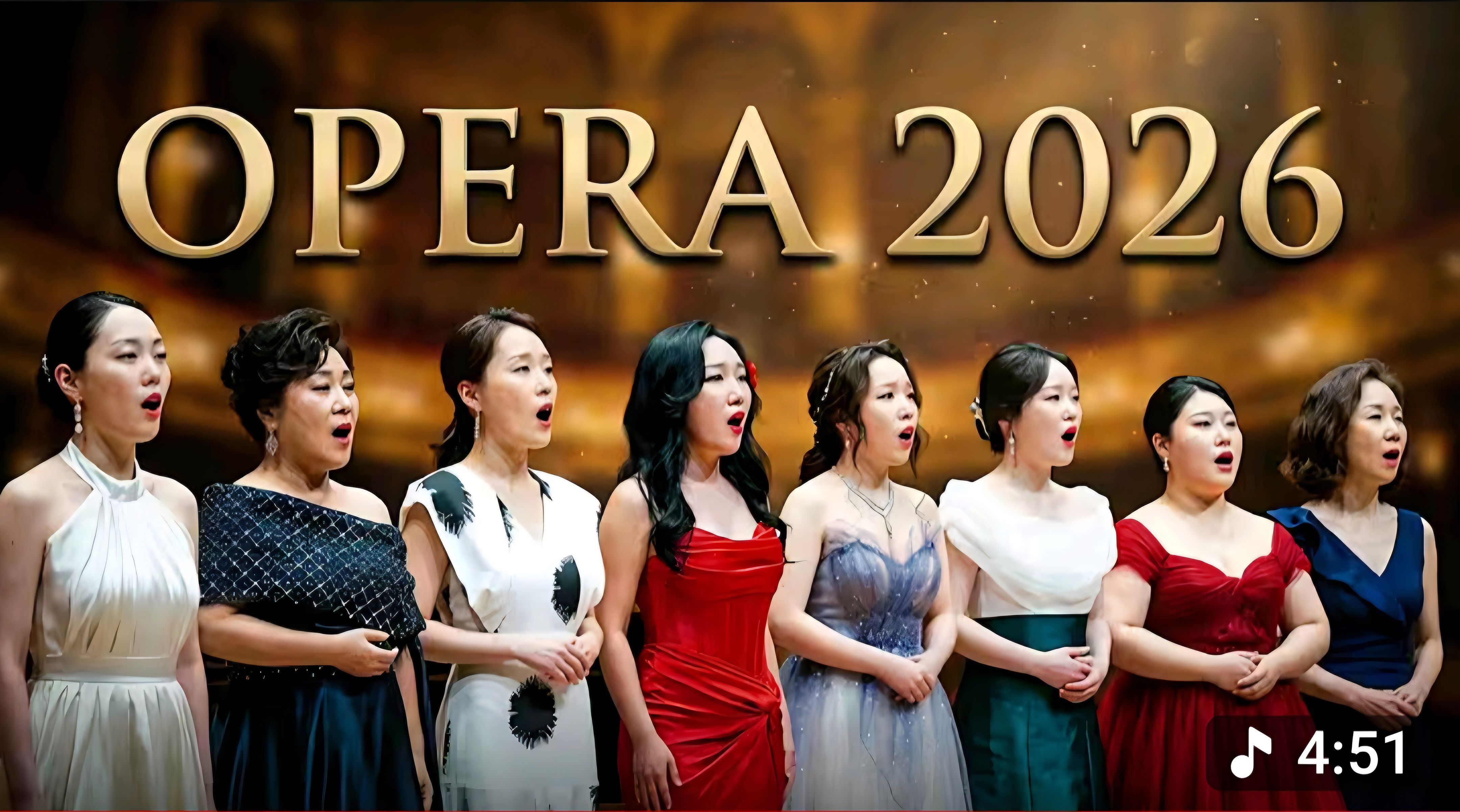
The celebration reached a resonant conclusion when all soloists assembled on stage for a triumphant, full-ensemble rendition of Choi Young-sub’s immortal My Dear Geumgangsan (그리운 금강산). As prolonged ovations resonated through Kukje Art Hall, the concert stood not merely as a retrospective of ten years of artistic excellence, but as a vibrant testament to the enduring vitality of the Orpheus Opera Company.