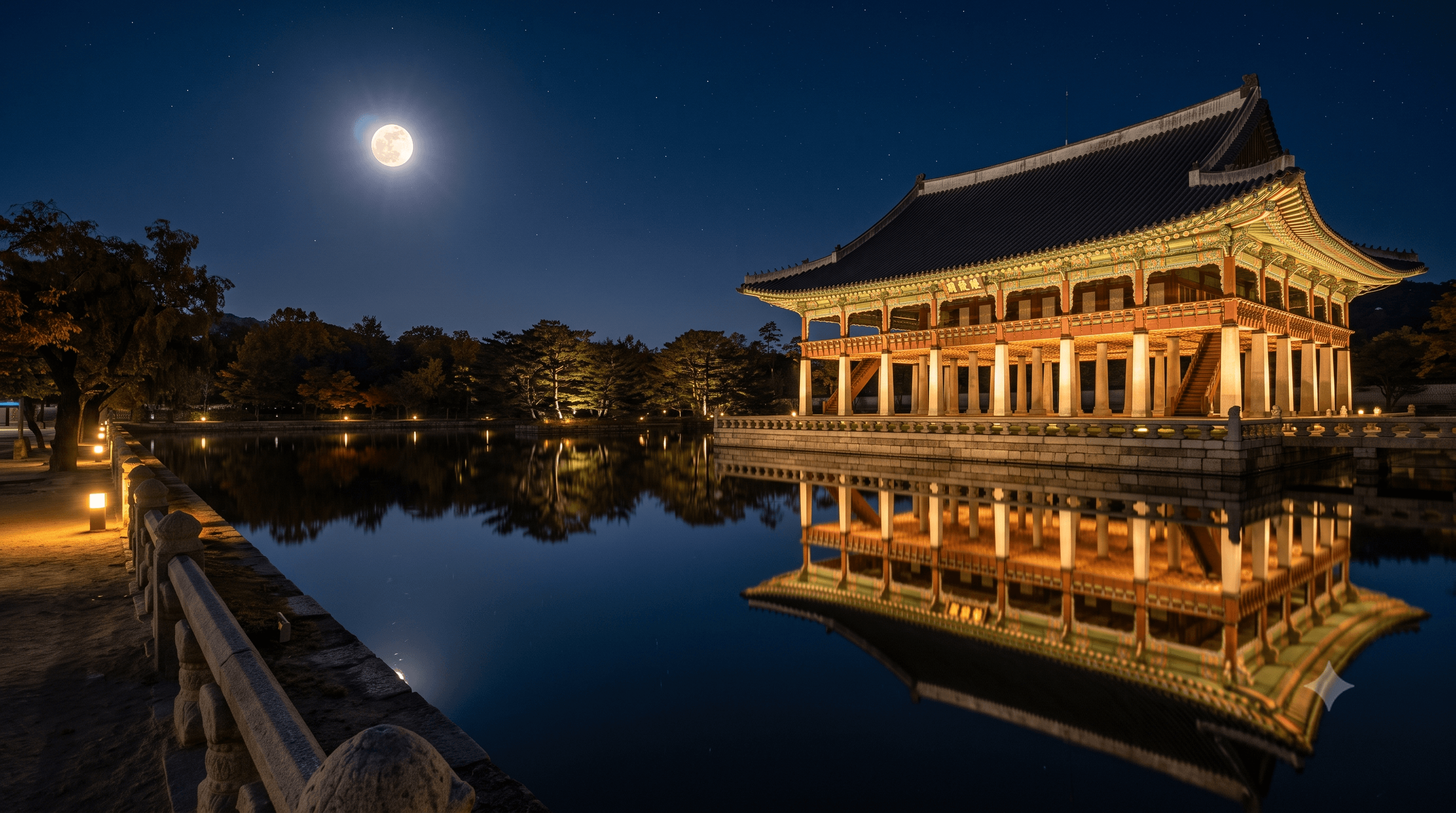
PALDANG — Every weekend, the Olympic Expressway and National Route 6 turn into a sprawling red-ribbon parade of brake lights. Seoulites crawl bumper-to-bumper toward the hipster bakeries of Yangpyeong or the spicy chicken alleys of Chuncheon. Glancing out the car window, drivers routinely marvel at the shimmering expanse of the Han River, mutter a quick “What a view,” and step on the gas.
Passing through Paldang this way is like paying full price at a five-star hotel buffet only to fill up on tap water and bread rolls. Just thirty minutes east of the capital lies an escape hatch where stress evaporates in minutes—yet nine out of ten motorists drive right past without ever turning the ignition off.
The Perilous Origin of the ‘Eight Shrines’
To understand why this riverbank feels so soothing today, one must look at the name itself. Written in Chinese characters, Paldang combines Pal (八, eight) and Dang (堂, shrine or hall). It translates literally to “Eight Shrines”—a quiet moniker that carries a desperate history.
During the Joseon Dynasty, the river was Hanyang’s (historic Seoul’s) primary economic lifeline. Fleets of wooden barges (hwangpodotbae) sailed downstream carrying grain and timber from Chungcheong and Gangwon provinces. The two great branches—the North and South Han Rivers—converged at Dumulmeori and poured violently into the narrow gorge at Paldang. Jagged rocks and vicious rapids routinely wrecked vessels, claiming cargo, livelihoods, and boatmen's lives in the icy depths.
Terrified of the treacherous crossing, sailors erected prayer shrines across eight separate ravines along the rocky bluffs. Before facing the white water, they knelt to pray for their lives. While local romantics sometimes claim the name came from eight scenic pavilions where aristocrats drank wine, the sweat and prayers of those desperate boatmen ring far truer. The lethal torrent was finally tamed in 1973 with the completion of the Paldang Dam. What was once a gauntlet of survival has been transformed into a glassy reservoir that rescues modern urbanites from daily burnout.
Pedals, Boots, and the Zen of River-Watching
The real cure begins the moment you park the car, slip the keys into your pocket, and switch to muscle power.
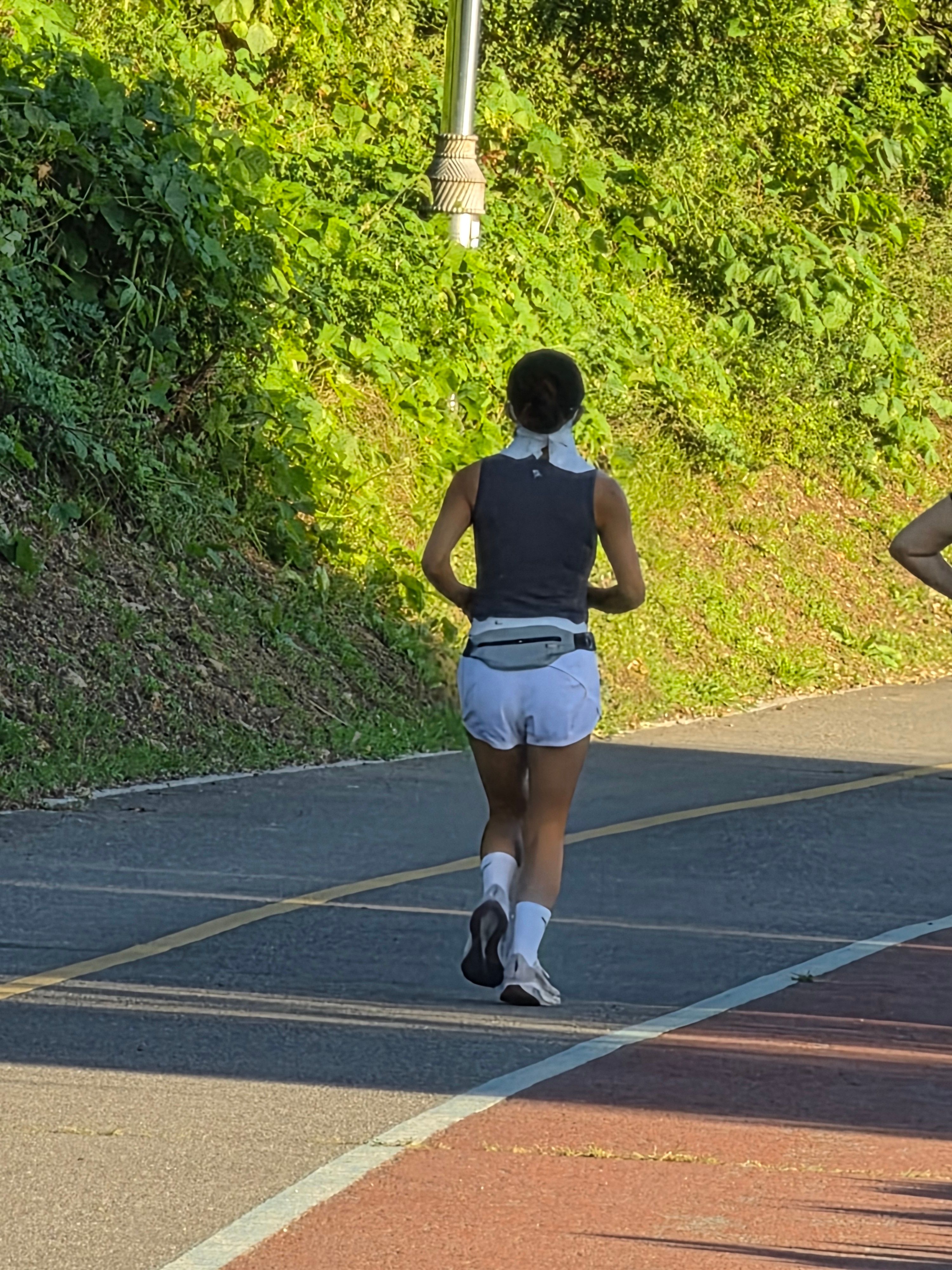
Paldang serves as the gateway to the Namhangang Bicycle Path, paved over the abandoned railbed of the old Jungang Line. Renting a bicycle near Paldang Station and pushing off onto the trail lets the crisp river breeze wash away the strain of staring at computer screens and smartphones all week. The highlight comes when riders glide into the Bong-an Tunnel—a decommissioned train cavern that acts like an oversized subterranean air conditioner even in midsummer. Emerging from its cool darkness into the sweeping vista of the river instantly washes away all the road-weary fatigue and frustration.
For those who prefer a slower pace, the unpaved paths of the Dasan-gil trail offer an auditory detox. Here, the hum of ring roads gives way to rustling reed beds, the flutter of diving wild ducks, and gentle water lapping against the shore. Finding an empty bench for half an hour of mulmeong—the Korean art of blankly spacing out while gazing at moving water—clears a cluttered mind faster than a dozen productivity apps.
Acoustic Nostalgia on the River Breeze
As the afternoon light softens, strains of live music often drift across the water. Paldang’s weekend rhythm is punctuated by unpretentious acoustic buskers setting up near the historic Old Paldang Station and riverside plazas.
Forget stadium pyrotechnics and deafening subwoofers; these performances typically involve a lone singer, a battered six-string guitar, and a modest amplifier. Nostalgic 1980s and 90s Korean folk melodies—tributes to balladeers like the late Kim Kwang-seok—mingle effortlessly with Western acoustic standards. Clutching a warm paper cup of coffee on a wooden deck while the sunset paints the sky in bruised orange, you realize how quickly raw city cynicism melts away.
Comfort Food for the Weary Soul
A day outdoors demands serious culinary compensation, and Paldang’s culinary scene specializes in restorative stamina fare.
For legs trembling from a two-hour ride, neungi-beoseot nurungji baeksuk is the premier prescription. This deeply simmered chicken stew is infused with inky, fragrant spiny mushrooms (neungi) and layered with chewy, scorched glutinous rice. One spoonful of the rich, herbal broth feels like a standing ovation from your overworked internal organs.
Those seeking to burn away office grievances can head to the spicy stir-fried octopus (nakji-bokkeum) and squid stalls. Tossed over a piping-hot bowl of barley rice with bean sprouts and fragrant sesame oil, the blisteringly spicy, fire-kissed sauce makes you sweat out a week’s worth of deadline anxiety in twenty minutes flat. Alternatively, rustic pots of freshwater fish stew (maeuntang), boiling over with peppery broth, wild water parsley, and hand-torn dough flakes (sujebi), have anchored long weekend lunches for generations.
If your calendar feels like an inescapable trap this coming weekend, resist the urge to drive blindly toward distant tourist traps. Pull over at Paldang. Step out into the cool river wind where ancient boatmen once bargained for safe passage, and let the gentle waters take care of the rest.