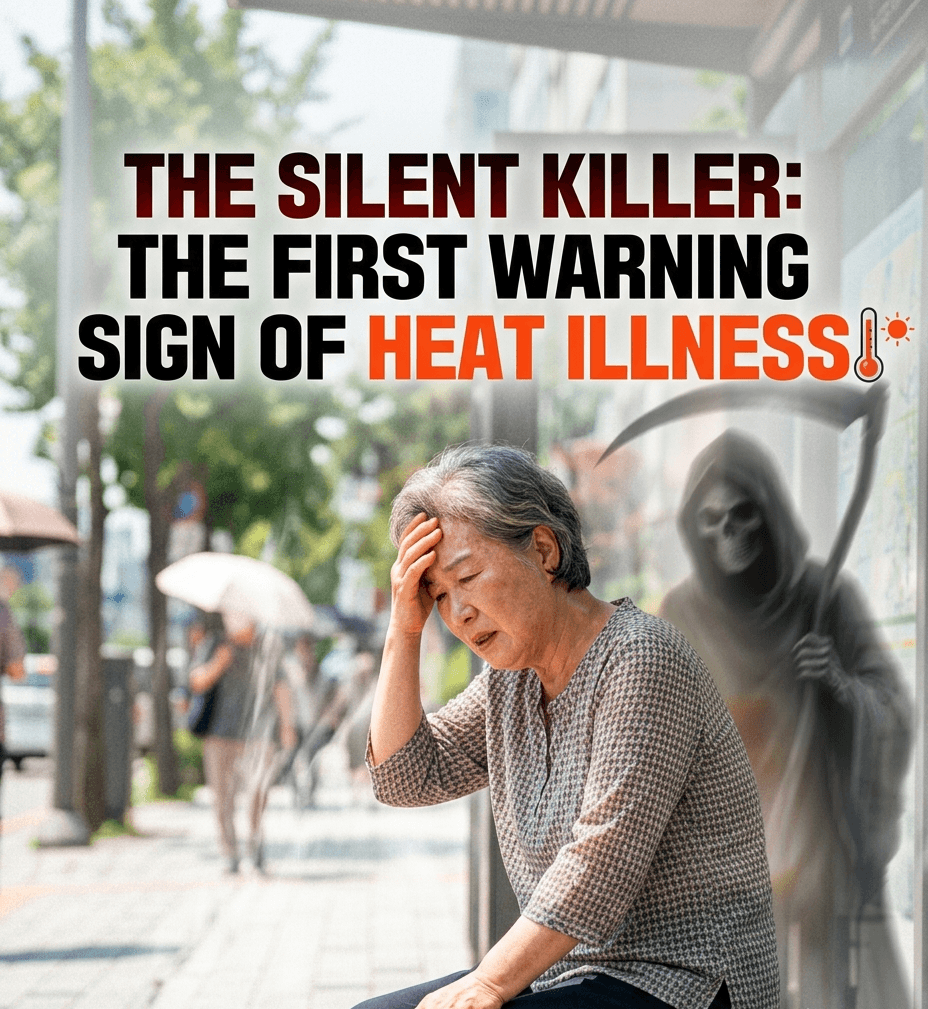
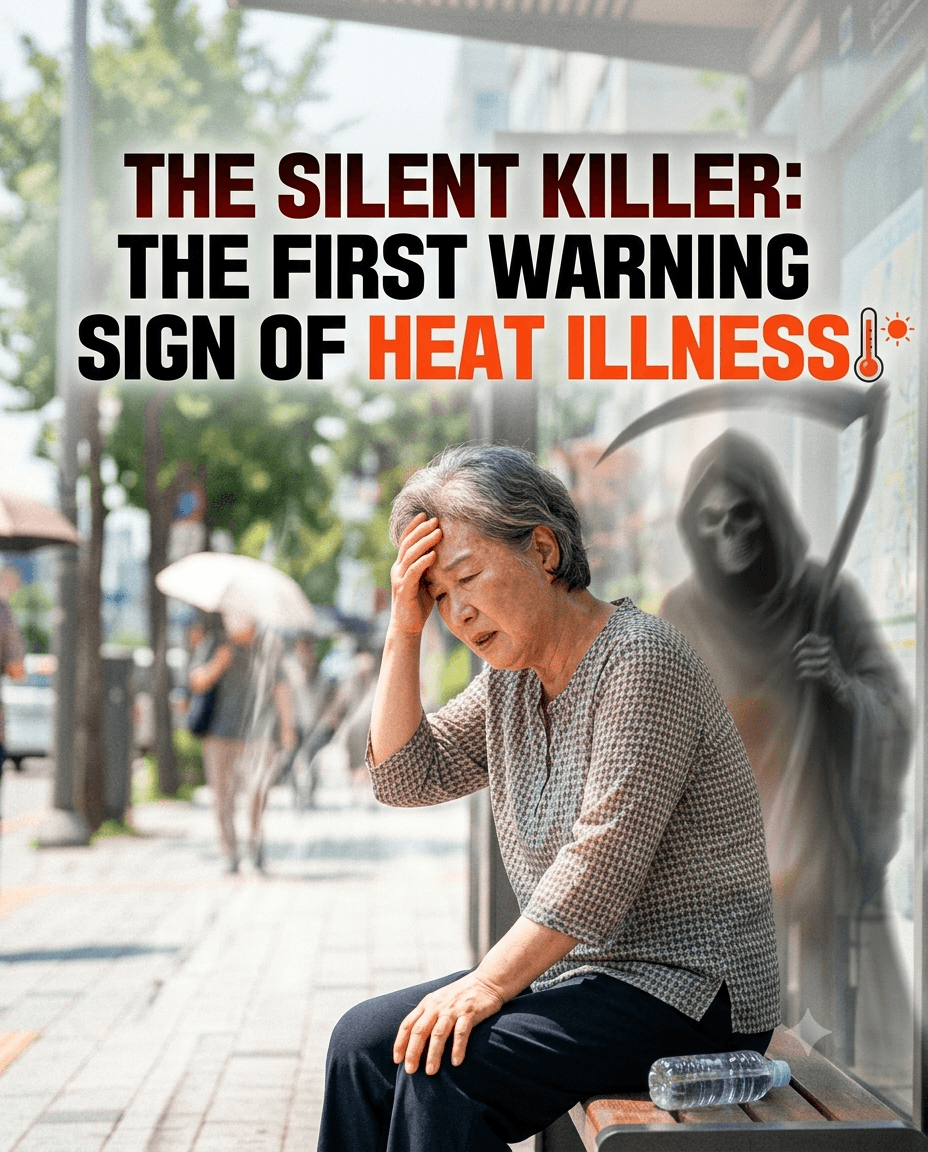
SEOUL -- When the scorching summer heat reaches its peak, there is an uninvited guest we must guard against most carefully: heat illness. People often complacently assume that as they age, they feel the heat less because they sweat less, or they simply brush it off thinking they are just feeling a bit sluggish from the weather. However, this is a dangerous signal that your body's internal sensors have been dulled, and it could be a chilling first warning from a silent killer.
Heat-related illness doesn't just stop at simply "feeling under the weather" due to the heat. If you miss early intervention, it can quickly lead to organ damage or even become life-threatening. To enjoy a healthy life in this 100-year era, here are the first warning signs of heat illness you must know, along with simple and clear survival strategies to protect your body.
1. The Silent Killer’s First Warning: "Never Miss These Signals"
The reason heat-related illnesses are so frightening is that they start with subtle symptoms and rapidly deteriorate into severe conditions. You must keep in mind these three early warning signs sent by your body.
• Sudden Dizziness and Lightheadedness
If you feel lightheaded while doing outdoor activities or suddenly standing up, stop what you are doing immediately. This is a typical precursor of heat exhaustion, where your body temperature rises, blood vessels dilate, and blood flow to the brain temporarily drops.
• Unusually Severe Muscle Cramps and Pain
If you experience muscle cramps or sharp pains in your legs, stomach, or arms after sweating heavily, it means your body is depleted of water and salt. Leaving this unattended will lead to a stage where your body’s temperature regulation center becomes paralyzed.
• Sudden Profuse Sweating vs. Completely Dry Skin
Cold sweat suddenly pouring out while your skin turns pale indicates that your body is desperately trying to lower its temperature. What is even scarier is a complete absence of sweat. This means your temperature regulation system has completely broken down, signaling an impending emergency state known as heatstroke, where your body temperature surges above 40°C (104°F).
2. A Single Character Makes the Difference Between Life and Death: Heat Exhaustion vs. Heatstroke
Many people confuse heat exhaustion and heatstroke, but distinguishing between the two is a matter of life and death.
• Heat Exhaustion (Heat Collapse)
o Body Temperature: Under 40°C (Usually normal or slightly elevated)
o Sweating: Excessive and heavy sweating
o Consciousness: Alert, but accompanied by dizziness and severe fatigue
o Risk Level: Recoverable with proper rest and hydration
• Heatstroke (Severe Emergency)
o Body Temperature: Surges above 40°C (104°F)
o Sweating: No sweat; skin feels hot, dry, and flushed
o Consciousness: Confusion, hallucinations, seizures, or loss of consciousness
o Risk Level: High risk of permanent organ damage and death (Call emergency services immediately)
If proper measures are not taken at the heat exhaustion stage, it progresses into heatstroke immediately. Because heatstroke is a state where internal organs are literally "cooking" under extreme heat, prolonged high temperature can cause permanent damage to the brain, liver, and kidneys.
3. "Age Is Just a Number?" Why Seniors Are Especially Vulnerable to Heat Waves
Some elderly people boast, "Back in the day, I used to weed the fields under the blistering summer sun without any problem." However, there are scientific reasons why seniors become more vulnerable to heat-related illnesses as they age.
• Aging of the Temperature-Regulating Center
As you get older, the function of the temperature regulation center in the hypothalamus declines. Even if the body heats up, sweating becomes slower, and blood vessels do not dilate quickly enough to release heat on time.
• Decreased Ability to Sense Thirst
Compared to younger people, the sensation of thirst becomes dulled. Even if they think, "I'm not thirsty," their bodies are often already in a state of severe dehydration.
• Chronic Conditions and Medications
If you are taking diuretics or blood pressure medications for conditions like hypertension, diabetes, or heart disease, water loss can accelerate or heat regulation can be further impaired.
Therefore, seniors should not wait until they feel extremely thirsty to drink water; it is already too late by then. You need to make a habit of hydrating regularly before feeling thirsty.
4. Four Survival Rules to Protect Yourself and Your Family in Extreme Heat
Heat-related illnesses are 100% preventable if you are prepared and informed. It does not require grand techniques—putting basic rules into practice is key.
• Drink Water Before You Feel Thirsty (Don't fall for the thirst illusion)
Aside from meals, drink at least 1.5 to 2 liters of water daily in small increments. It is better to sip two or three mouthfuls frequently rather than chugging a large amount at once. However, avoid caffeinated coffee, sodas, and alcohol because they promote water loss; substitute them with water or barley tea instead.
• Refrain from Outdoor Activities During Peak Heat Hours (12 PM – 5 PM)
Sunlight during these hours is not just simple heat—it is a life-threatening thermal intensity. It is wise to postpone farm work, outdoor exercise, or long walks until after sunset or early morning.
• Create a Well-Ventilated Environment
Enduring the heat without turning on the air conditioner or fan just to save electricity is extremely dangerous. Keep indoor temperatures between 26°C and 28°C (78°F–82°F), and if you don't have air conditioning, actively use nearby cooling centers such as community centers or senior centers.
• Dizzy All of a Sudden? Follow the "3-Step Emergency First Aid"
1. Move immediately to a shaded area or cool indoor space.
2. Unbutton clothing and remove shoes for comfort, then cool down the body by wiping the neck, armpits, and groin with cold water or a damp towel.
3. If conscious, let the person sip water slowly; if unconscious, never give water as it may cause choking, and call emergency services immediately.
True health in this 100-year era begins with listening closely to the quietest signals from your body. The dizziness, sudden changes in sweating, and unexplained fatigue mentioned today are the initial warning cards stealthily dealt by the silent killer.
Do not overlook them with an "I'll be fine" attitude, and stay safe and healthy through this summer with consistent hydration and midday rest. Your journey toward a healthy centenary starts with cherishing and protecting the smallest signals from your body!