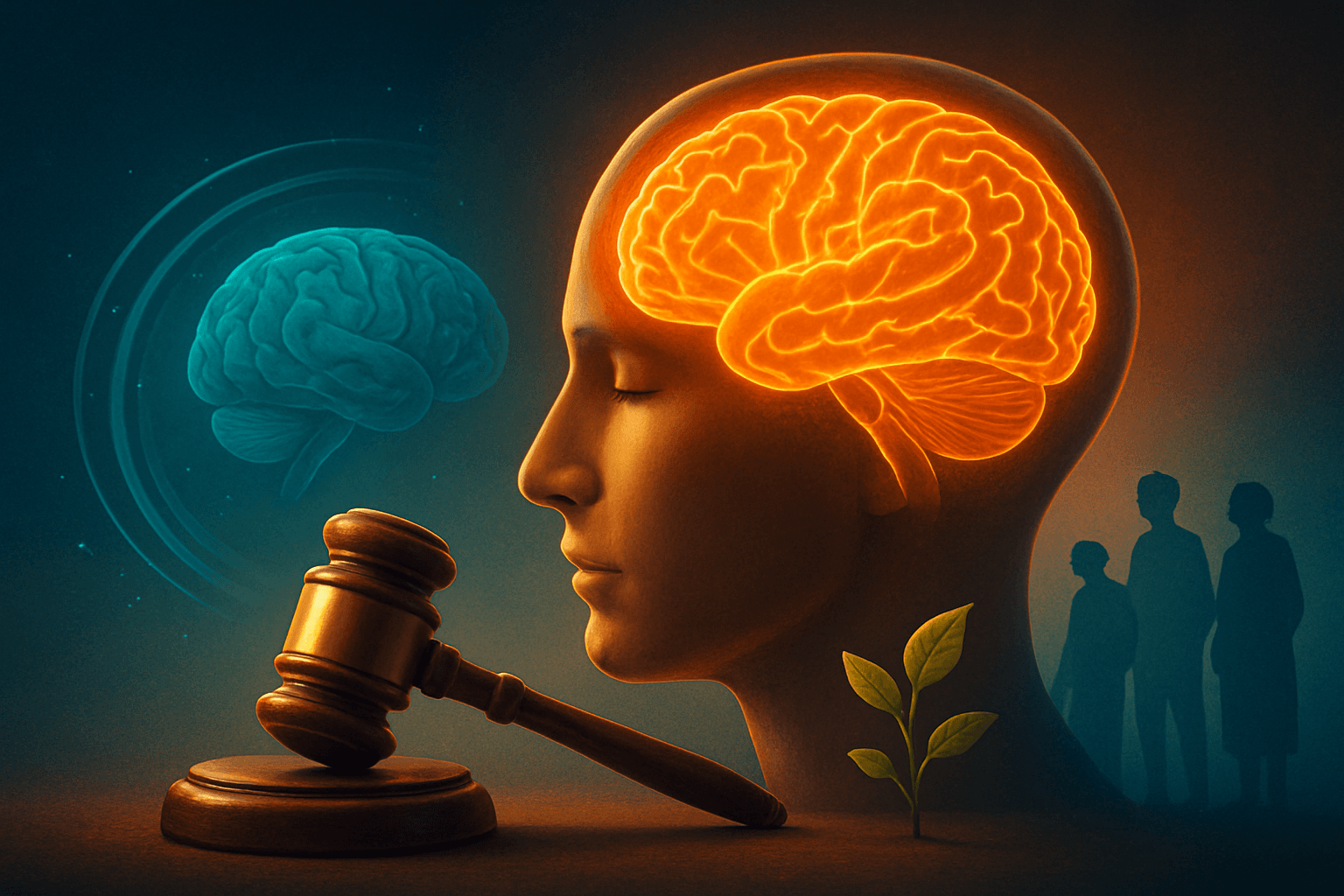
The World Health Organization has updated its dementia-prevention guidance, saying that addressing modifiable risk factors could potentially prevent or delay up to 45% of cases. The recommendations, described as the first major update since 2019, identify smoking, alcohol use, physical inactivity, high blood pressure, social isolation and air pollution among factors linked to dementia risk.
The guidance continues to emphasize regular physical activity, stopping tobacco use, reducing alcohol consumption, a healthy diet, and management of blood pressure, diabetes and cholesterol. It also highlights hearing health and appropriate use of hearing aids. WHO Director-General Tedros Adhanom Ghebreyesus said the guidance translates growing knowledge of dementia risks into recommendations that countries can use to protect cognitive health.
Newer areas of emphasis include reducing exposure to air pollution, maintaining cognitive activity through learning and mentally challenging pursuits, and taking part in social activities. The guidance applies the focus on cognitive stimulation to adults with normal cognition as well as people with mild cognitive impairment. Neurologist Fawad Mian told Newsweek that the updated approach treats prevention as a lifelong issue rather than one confined to old age.
WHO said the evidence is insufficient to support routinely taking vitamin B, vitamin E, omega-3 or multivitamin supplements solely to prevent dementia, unless a deficiency has been identified. The agency is urging countries to incorporate dementia prevention into public-health policy. More than 57 million people worldwide live with dementia, according to the report, and nearly 10 million new cases are diagnosed each year; Alzheimer’s disease accounts for an estimated 60% to 70% of cases.